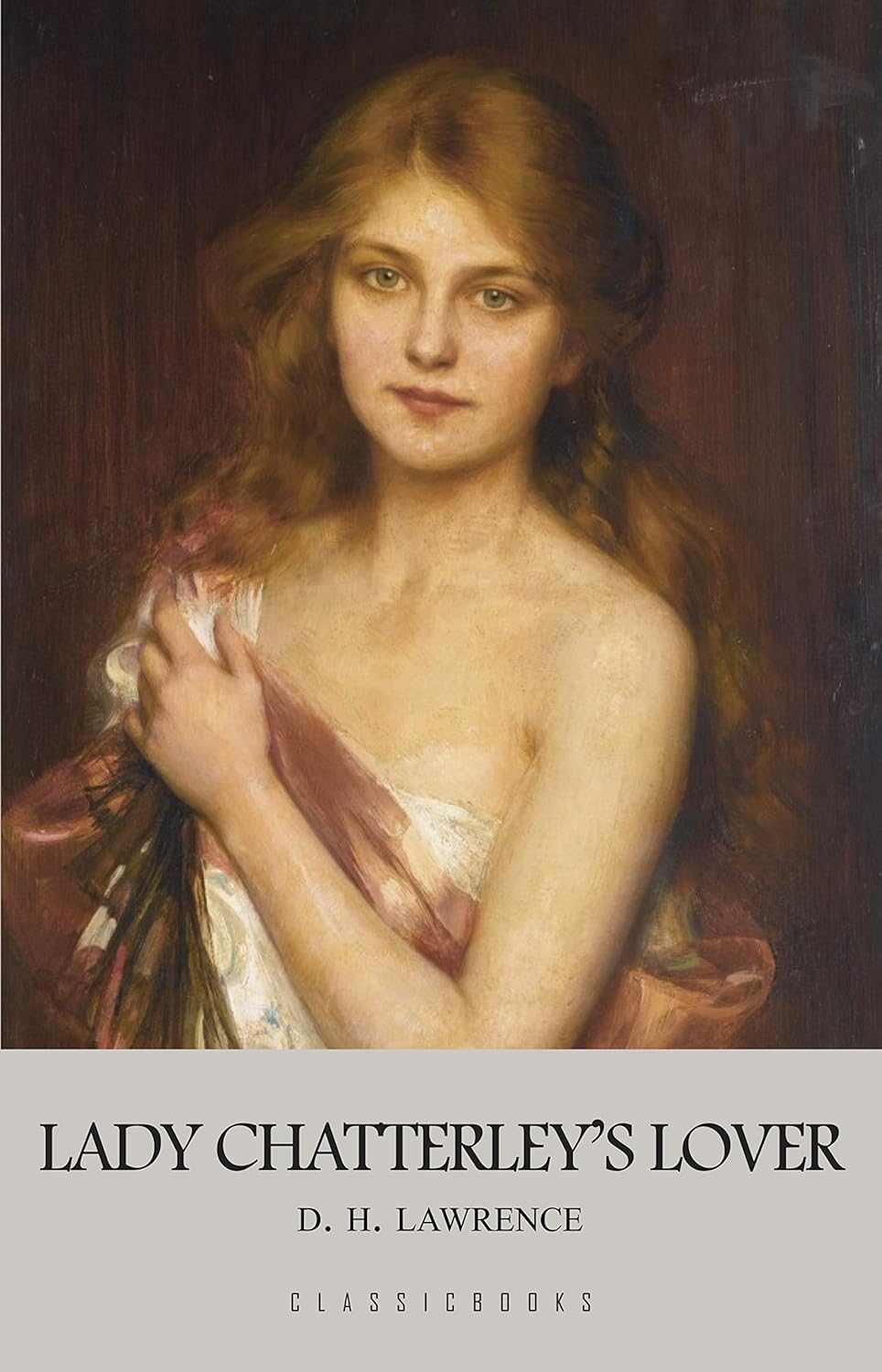
D. H. Lawrence wrote *Lady Chatterley’s Lover* during his self-imposed exile in Italy, privately publishing the unexpurgated first edition in Florence in 1928. The novel emerged in the stark aftermath of World War I, a period characterized by profound disillusionment and rigid class stratification in Britain. The war’s devastating physical and psychological toll is embodied in the character of Sir Clifford Chatterley, whose paralysis mirrors the impotence and emotional sterility Lawrence perceived in the modern, industrialized upper class. Against this backdrop of creeping mechanization and societal decay, Lawrence crafted a narrative that sought to explore the vital, restorative power of nature and genuine human connection.
Upon its release, the full version of the novel ignited immediate and fierce controversy. Its unapologetic depiction of a passionate affair between an aristocratic woman and a working-class gamekeeper deeply unsettled the conservative British class system. More scandalously to contemporary readers, Lawrence’s explicit, lyrical descriptions of sexual intimacy and his deliberate use of "four-letter" taboo words led to widespread bans on the grounds of obscenity. For over three decades, the unexpurgated text was heavily censored or entirely suppressed in both the United Kingdom and the United States, circulating only through underground channels.
The novel's eventual vindication became a watershed moment in both literary and legal history. The landmark 1960 obscenity trial of Penguin Books in the UK, which ended in an acquittal, effectively dismantled the Victorian censorship laws that had long constrained publishers. Ultimately, *Lady Chatterley’s Lover* left an indelible mark on global literature and society. It championed the freedom of artistic expression and paved the way for a more honest, liberated exploration of human sexuality, psychological depth, and class dynamics in modern fiction.