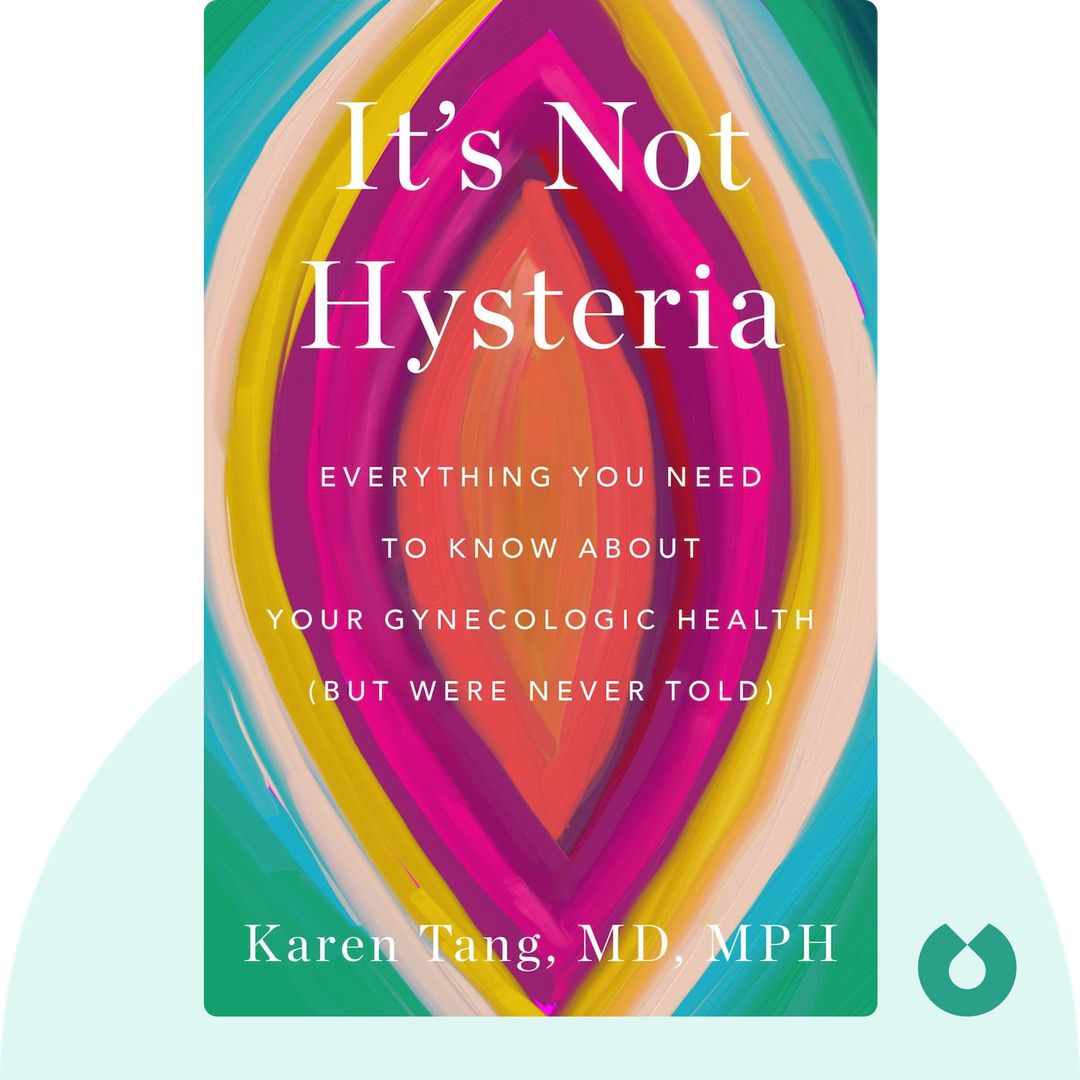
If You're Curious About These Questions...
You should listen to this audiobook
- Did you know that many common reproductive health symptoms are often dismissed as "normal" or "just part of being a woman," even when they signal a treatable condition?
- Have you ever wondered why certain gynecological issues take years to diagnose, and what steps you can take to advocate for the care you actually deserve?
- What if you could decode the complex signals your body is sending you and gain the tools to transform your relationship with your reproductive health?
Listen to It's Not Hysteria — Free Audiobook
Loading player...
Key Takeaways from It's Not Hysteria
- Discover how systemic sexism and racism, dating back to the dismissal of symptoms as 'hysteria,' continue to impact the quality of reproductive healthcare today.
- Master the fundamentals of your reproductive anatomy—from the true structure of the clitoris to the realities of fertilization—to better understand your body and advocate for yourself.
- Understand the crucial difference between common and normal symptoms, realizing that you do not have to tolerate painful periods or heavy bleeding if they disrupt your quality of life.
- Learn how to effectively communicate with your doctor by keeping a detailed symptom log and specifically requesting a 'problem visit' to ensure your concerns are prioritized.
- Explore the facts behind highly prevalent but frequently misunderstood gynecological conditions like endometriosis, PCOS, and uterine fibroids to help you seek the right diagnosis.
Learning Tools
Reinforce what you learned from It's Not Hysteria
Mind Map
It's Not Hysteria
Historical Context & Medical Bias+
Reproductive Anatomy+
Advocating for Your Health+
Common Gynecological Conditions+
Hormonal Shifts & Life Stages+
Reproductive Options & Autonomy+
Quiz — Test Your Understanding
Question 1 of 8
What historical medical practice does the book highlight as an example of racism in reproductive healthcare?
Question 2 of 8
According to the anatomy section of the book, where does the fertilization of an egg actually occur?
Question 3 of 8
Why does the author strongly advise against vaginal douching?
Question 4 of 8
When scheduling a doctor's appointment for gynecological symptoms, what specific action does the author recommend to ensure you have enough time?
Question 5 of 8
How is endometriosis definitively diagnosed according to the text?
Question 6 of 8
Which of the following is a primary characteristic or risk associated with Polycystic Ovarian Syndrome (PCOS)?
Question 7 of 8
What common misconception about modern hysterectomies is addressed in the book?
Question 8 of 8
What secondary health benefit is associated with modern tubal sterilization (removing the fallopian tubes entirely)?
It's Not Hysteria — Full Chapter Overview
- 1Recommendation
- 2A brief history of medical mistreatment
- 3Anatomy basics
- 4How to talk to your doctor
- 5Common gynecological conditions
- 6Hormonal changes
- 7Reproductive choices
- 8Final summary
It's Not Hysteria Summary & Overview
It's Not Hysteria (2024) sheds light on the most common issues and concerns around reproductive health. Even though these issues affect almost all people with a uterus throughout their lifetime, they’re still often misunderstood, misdiagnosed, or dismissed. This comprehensive guide empowers you to take control of your gynecologic health by providing information on common conditions and potential treatment options and giving practical tips.
Who Should Listen to It's Not Hysteria?
- women and those assigned female at birth seeking to understand their reproductive health better
- people experiencing menstrual abnormalities, pelvic issues, or other gynecological concerns
- health-care providers looking to expand their knowledge of reproductive health conditions and treatment options
Books Similar to It's Not Hysteria
Readers who enjoyed this also liked these titles.