If You're Curious About These Questions...
You should listen to this audiobook
- Did you know that for centuries, medical experts believed a woman’s entire well-being was at the mercy of a 'wandering' internal organ?
- Have you ever wondered why women’s physical symptoms are significantly more likely to be dismissed as 'emotional' compared to those of men?
- Are you curious about how the patriarchal roots of early medicine continue to influence the way women’s bodies are diagnosed and treated in modern clinics today?
Listen to Unwell Women — Free Audiobook
Loading player...
Key Takeaways from Unwell Women
- Understand how centuries of treating the male body as the default medical standard has led to systemic healthcare disparities and understudied chronic conditions for women today.
- Discover why the ancient 'wandering womb' theory persisted into the twentieth century as 'hysteria,' proving how societal beliefs about gender roles historically overrode scientific anatomy.
- Learn how dangerous nineteenth-century myths about racial pain tolerance—which falsely claimed women of color were resistant to suffering—continue to cause systematic medical dismissal today.
- Find out how the fight for childbirth anesthesia exposed the medical establishment's tendency to moralize women's pain, treating relief as a controversial privilege rather than a medical necessity.
- Explore the shocking history of gynecological medicine, where moral panic over female sexuality sparked opposition to life-saving diagnostic tools like the speculum and led to extreme surgical procedures.
Learning Tools
Reinforce what you learned from Unwell Women
Mind Map
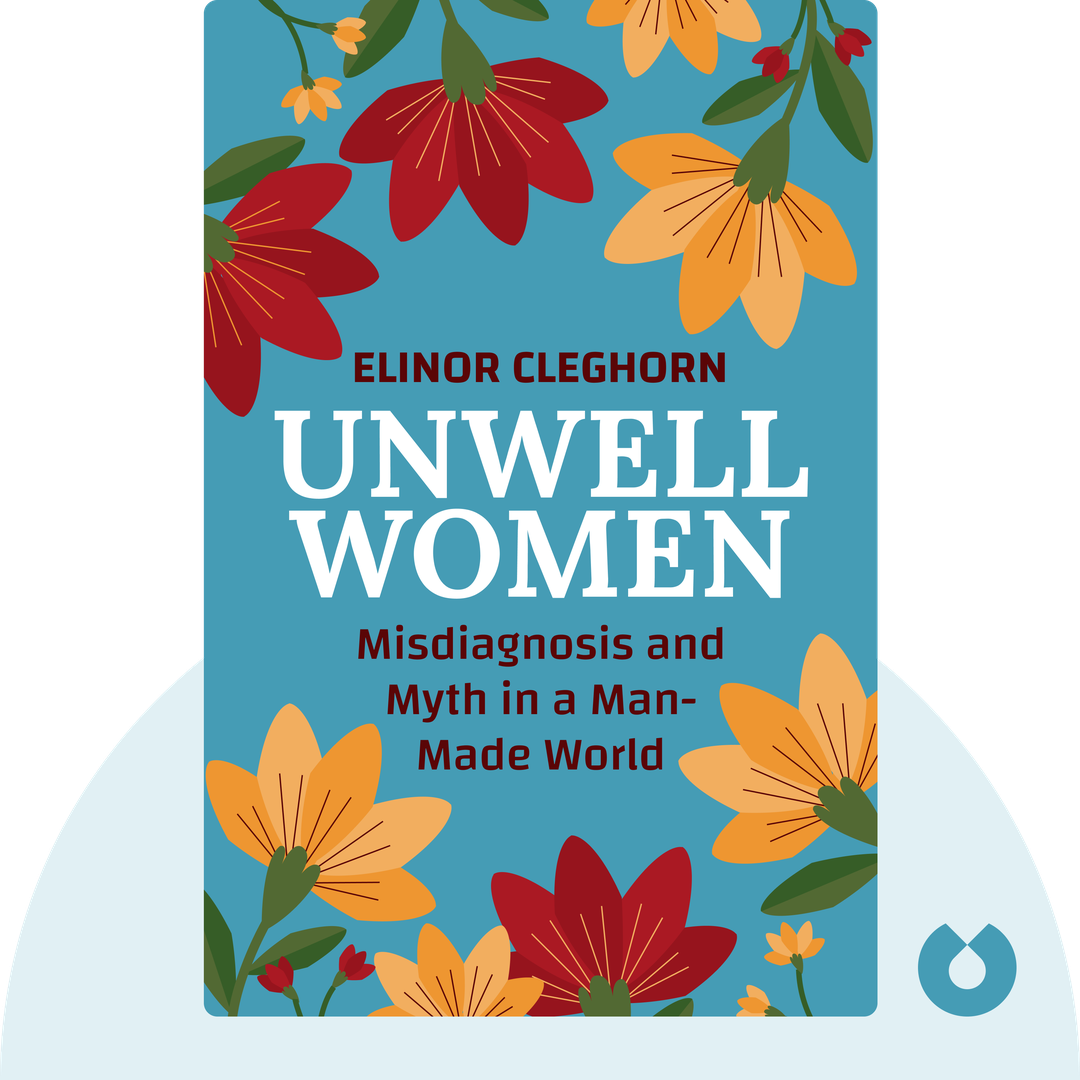
Unwell Women
Historical Foundations of Bias+
The Wandering Womb Myth+
Dismissal of Women's Pain+
Policing Female Sexuality+
The Birth Control Movement+
Demystifying Gynecology+
Pathologizing Social Oppression+
Quiz — Test Your Understanding
Question 1 of 7
According to the text, what has historically been considered the standard for human anatomy in the medical field?
Question 2 of 7
How did the eleventh-century physician Trota of Salerno challenge the prevailing medical beliefs of her time?
Question 3 of 7
How did nineteenth-century medical professionals view pain sensitivity in women across different demographics?
Question 4 of 7
Why did the invention of the speculum face fierce opposition from nineteenth-century medical critics?
Question 5 of 7
What troubling historical reality about the early twentieth-century birth control movement is highlighted in the text?
Question 6 of 7
What did pioneering researcher Clelia Duel Mosher discover about women's supposedly 'natural' shallow breathing?
Question 7 of 7
In the 1950s, how did the medical establishment typically respond to the anxiety and chronic fatigue experienced by many housewives?
Unwell Women — Full Chapter Overview
- 1Recommendation
- 2The wandering womb
- 3Women’s pain
- 4Sexuality and moral judgment
- 5The battle for birth control
- 6Understanding menstruation
- 7Turning oppression into pathology
- 8Final summary
Unwell Women Summary & Overview
Unwell Women (2021) traces the historical misunderstanding and misdiagnosis of women’s bodies throughout medical history. Drawing from historical research. it reveals how medical knowledge has been shaped by gender bias and chronicles the stories of women who have challenged and transformed medical orthodoxy.
Who Should Listen to Unwell Women?
- Medical professionals who want to understand historic and current biases
- Women with chronic illnesses struggling to be heard in clinical settings
- Feminists ready to unravel the patriarchal history of medicine
Books Similar to Unwell Women
Readers who enjoyed this also liked these titles.