If You're Curious About These Questions...
You should listen to this audiobook
- Have you ever wondered why something as natural as menstruation has been shrouded in such intense secrecy and bizarre myths throughout history?
- Did you know that the evolution of menstrual products reveals a surprising amount about how society has viewed and even feared women’s bodies?
- Are you curious about how outdated cultural taboos still influence the way we talk about everything from puberty to menopause today?
Listen to Flow — Free Audiobook
Loading player...
Key Takeaways from Flow
- Discover how ancient myths and historical taboos branded menstrual blood as toxic, and learn how these misconceptions were used to suppress women and exclude them from society.
- Explore the surprising medical history of PMS, which was treated as 'hysteria' for centuries, and see why modern science still lacks conclusive evidence that premenstrual symptoms are purely hormonal.
- Understand why period sex is completely safe and normal, and discover how experiencing orgasms during menstruation might actually reduce the risk of endometriosis.
- Learn how the invention of commercial femcare products like pads and tampons revolutionized women's daily mobility and directly propelled the historic women's rights movement.
- Overcome generational shame by debunking long-held myths about menstruation, empowering yourself with the anatomical knowledge needed to make informed choices about your bodily health.
Learning Tools
Reinforce what you learned from Flow
Mind Map
Flow
Historical Taboos & Myths+
Medicalization of Women's Bodies+
Femcare & Women's Rights+
Biological Realities vs. Myths+
Empowerment+
Quiz — Test Your Understanding
Question 1 of 8
What historical medical practice was developed based on the ancient belief that menstruation was the body's way of cleansing itself from toxicity?
Question 2 of 8
According to the text, how did ancient Greek physician Hippocrates explain the cause of 'hysteria' in women?
Question 3 of 8
What potential health benefit did a 2002 Yale University study associate with having orgasms during a period?
Question 4 of 8
The introduction of Kotex pads in 1920 coincided with which major historical event for women in the United States?
Question 5 of 8
How did the femcare industry historically market vaginal douches, such as Lysol, to women in the 1930s?
Question 6 of 8
Which of the following is a common misconception about menstruation and pregnancy highlighted in the book?
Question 7 of 8
Why is the bleeding experienced by women taking traditional birth control pills not considered a true period?
Question 8 of 8
Despite known risks such as blood clots and breast cancer, why have pharmaceutical companies heavily marketed Hormone Replacement Therapy (HRT) to women?
Flow — Full Chapter Overview
- 1Recommendation
- 2Since ancient times, menstruation has been taboo and surrounded by misconceptions.
- 3What we now call PMS was once diagnosed as hysteria.
- 4Period sex has negative associations, but it’s actually safe and normal.
- 5The women’s rights movement gained momentum with the rise of femcare products.
- 6Femcare ads reinforce the old belief that menstruation is shameful.
- 7Many women lack basic knowledge about menstrual cycles and pregnancy.
- 8The bleeding women experience on the pill isn’t actually a period.
- 9Pharmaceutical companies profit from negative views of menstruation and menopause.
- 10Final summary
Flow Summary & Overview
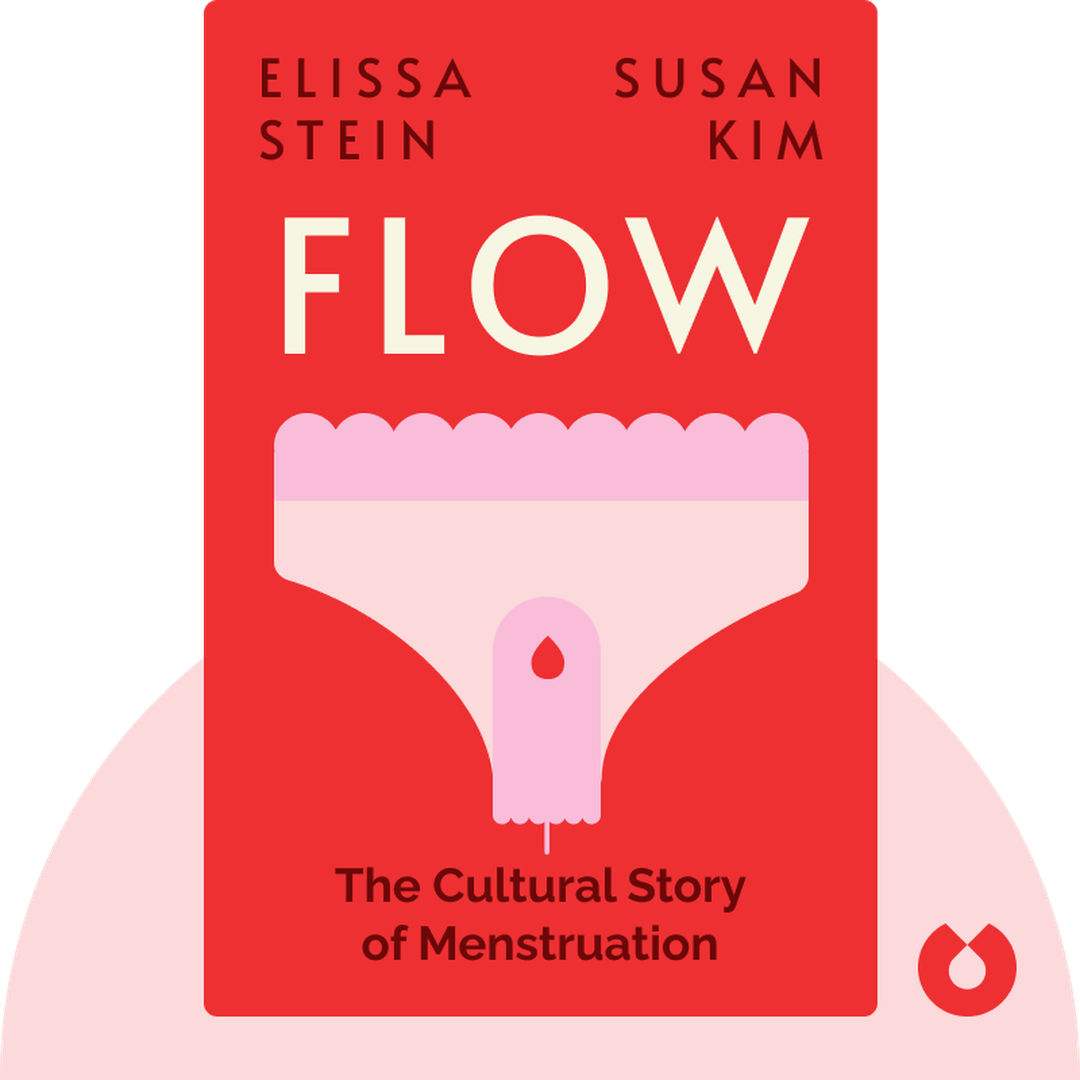
Flow (2009) explores the historical and cultural context of menstruation. By doing so, it seeks to debunk the myths that surround periods and address the misperceptions people have of the basic bodily process of menstruation.
Who Should Listen to Flow?
- Those interested in the history and cultural significance of menstruation
- Women who are afraid to ask their friends and family about periods and sexual health
- Women experiencing puberty or menopause
Books Similar to Flow
Readers who enjoyed this also liked these titles.