If You're Curious About These Questions...
You should listen to this audiobook
- Did you know that centering the workplace experiences of women of color is actually the secret to creating a more inclusive and productive environment for every employee?
- Have you ever wondered why standard diversity initiatives often fall short, and what it truly means to practice inclusion "on purpose"?
- What if you could learn the specific, actionable strategies to turn your leadership privilege into a catalyst for genuine equity and lasting cultural change?
Listen to Inclusion on Purpose — Cinematic Audio Edition
Loading player...
Key Takeaways from Inclusion on Purpose
- Understand why true workplace inclusion must be intentional, moving beyond surface-level policies to become an active, daily purpose that drives innovation and growth.
- Learn how to practice active allyship by adopting an intersectional mindset, shifting from simply being 'not racist' to actively antiracist, and using your privilege to speak up.
- Discover why you should stop hiring for 'culture fit' and start hiring for 'culture add' to deliberately build more diverse, effective, and profitable teams.
- Master inclusive hiring strategies by diversifying your interview panels, removing exclusionary words from job listings, and standardizing interview questions to prevent bias.
- Recognize the stark reality of the intersectional pay gap and find out why fostering salary transparency is a vital step toward achieving equal compensation.
Learning Tools
Reinforce what you learned from Inclusion on Purpose
Mind Map
Inclusion on Purpose
Why Inclusion Matters+
Individual Action & Antiracism+
Inclusive Hiring Practices+
Fixing the Pay Gap+
Delivering Effective Feedback+
Fostering Psychological Safety+
Quiz — Test Your Understanding
Question 1 of 6
According to the text, what is the primary difference between 'not being racist' and being 'antiracist' in the workplace?
Question 2 of 6
When hiring new employees, why does the author suggest abandoning the concept of 'culture fit'?
Question 3 of 6
What does the author recommend as the best approach to eliminate pay disparities during the hiring process?
Question 4 of 6
Why do women of color often receive vague feedback, such as lacking 'executive presence', according to the text?
Question 5 of 6
What defines a 'psychologically safe' workplace environment?
Question 6 of 6
How should a purposefully inclusive company approach Employee Resource Groups (ERGs)?
Inclusion on Purpose — Full Chapter Overview
- 1Recommendation
- 2Begin building an inclusive company culture.
- 3Inclusive hiring means thinking beyond culture fit.
- 4Closing the pay gap is essential for an inclusive workplace.
- 5Giving effective feedback is harder than it seems – and even more important.
- 6A workplace where everyone feels psychologically safe is inclusive – and innovative as well.
- 7Final Summary
Inclusion on Purpose Summary & Overview
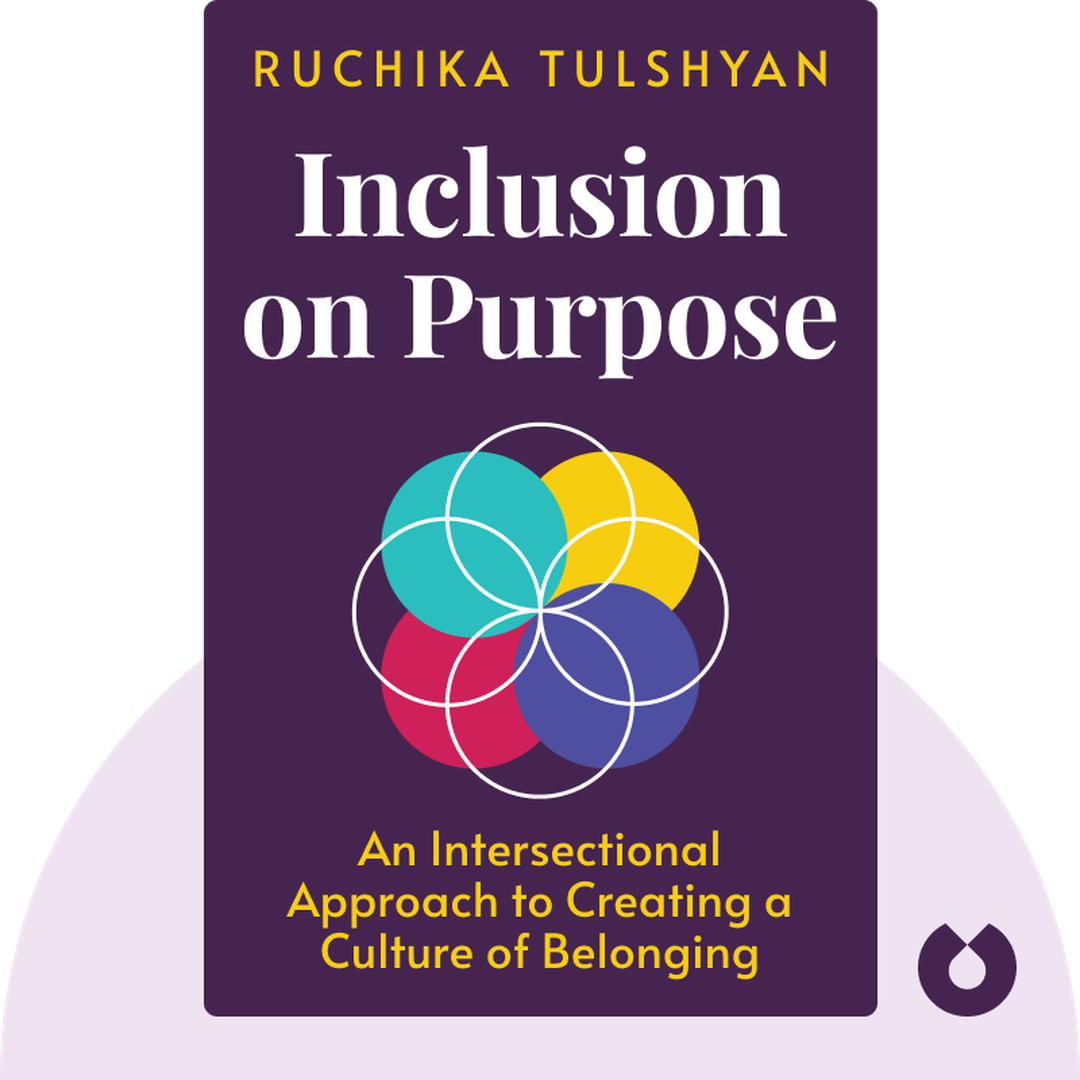
Inclusion on Purpose (2022) shows leaders how to foster a culture of inclusion, diversity, and equity in the workplace. Putting the experiences of women of color front and center, it provides impactful inclusion strategies which don’t only benefit the marginalized but every employee in the organization.
Who Should Listen to Inclusion on Purpose?
- Those wanting to use their privilege for good
- Leaders of team and organizations
- HR professionals
Books Similar to Inclusion on Purpose
Readers who enjoyed this also liked these titles.