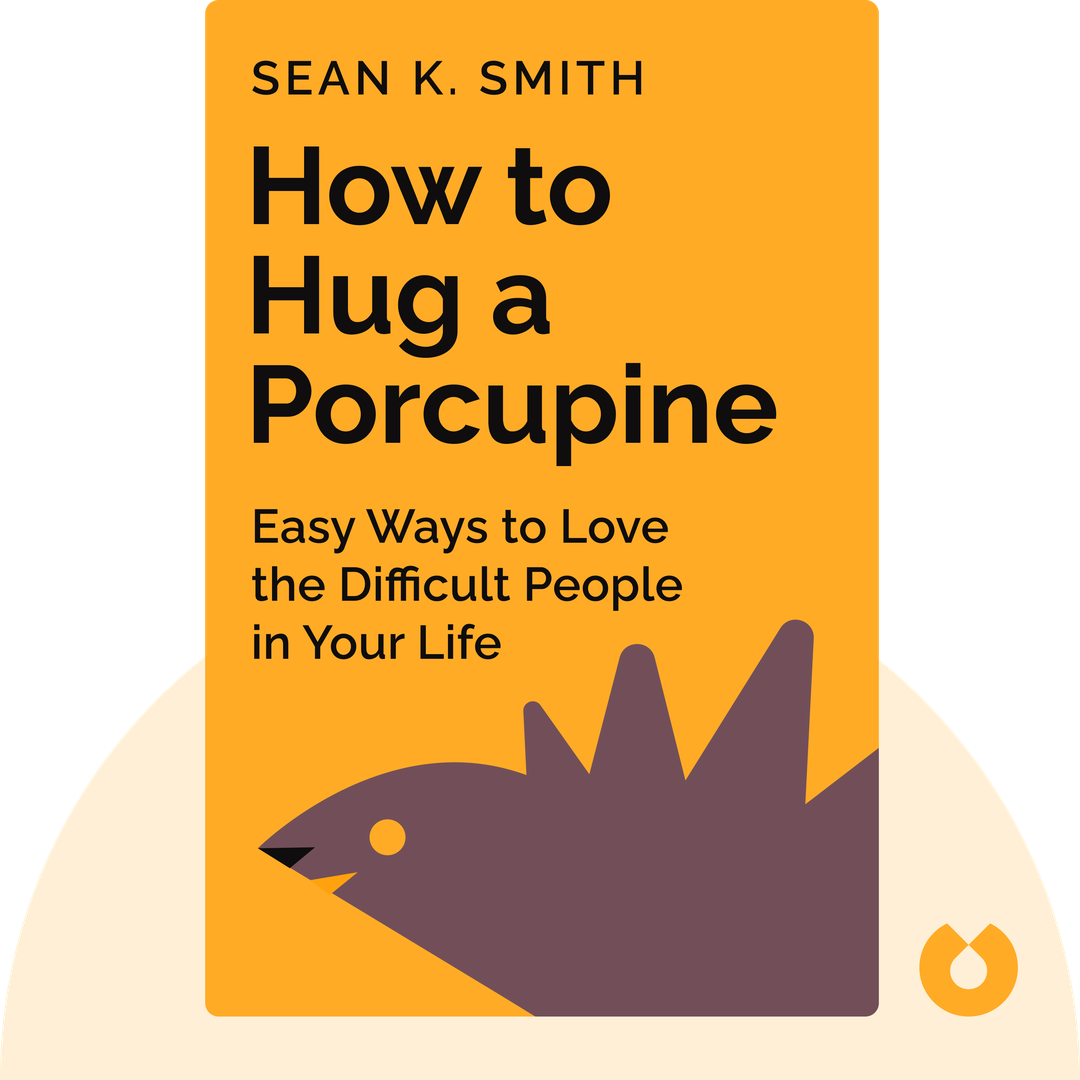
How to Hug a Porcupine
Start ListeningDownload Try free on iPhoneScan to start in 5 seconds
Categories:
If You're Curious About These Questions...
You should listen to this audiobook
- What's the secret to connecting with the most prickly and difficult people in your life without getting "stung" by their defensive behavior?
- Have you ever wondered why some people react with such sharp hostility, and how you can look past their "quills" to find common ground?
- What if you could transform your most stressful interactions into harmonious relationships by mastering just a few simple psychological shifts?
Listen to How to Hug a Porcupine — Cinematic Audio Edition
Loading player...
Key Takeaways from How to Hug a Porcupine
- Understand why complex people raise their emotional quills, recognizing that their prickliness is a natural defense mechanism triggered by feeling threatened rather than an intentional attack.
- Learn how to de-escalate conflicts with difficult individuals by identifying their specific triggers, addressing their anger early, and gently uncovering their vulnerable soft spots.
- Discover the one-minute approach to effectively communicate with defensive loved ones, ensuring mutual understanding without letting conversations spiral out of control.
- Master the art of setting firm boundaries and prioritizing self-love so you can remain calm, compassionate, and protected when a challenging person lashes out.
- Recognize that a prickly person's harsh behavior is rarely about you, empowering you to respond with kindness and empathy instead of taking their reactions personally.
Learning Tools
Reinforce what you learned from How to Hug a Porcupine
Mind Map
How to Hug a Porcupine
Core Concept+
General Strategies+
Workplace Porcupines+
Family Porcupines+
Everyday Encounters+
The Inner Porcupine+
Quiz — Test Your Understanding
Question 1 of 7
Why does the author compare difficult people to porcupines?
Question 2 of 7
What is recommended as a strategic move when an argument with a prickly person begins to escalate?
Question 3 of 7
When dealing with a 'porcupine' coworker who escalates a minor disagreement, what is the best initial approach according to the text?
Question 4 of 7
How does the author suggest reframing conflicts with a spouse to encourage constructive communication?
Question 5 of 7
What mindset is recommended for dealing with a 'porcupine' parent who brings up past childhood conflicts?
Question 6 of 7
If a stranger, such as a cashier, is acting like a 'porcupine,' why is it important to remember that the situation isn't your fault?
Question 7 of 7
What is the first step to managing your own 'inner porcupine'?
How to Hug a Porcupine — Full Chapter Overview
- 1Recommendation
- 2Navigating prickly personalities more easily
- 3Taming porcupines in the workplace
- 4Managing porcupines at home
- 5Handling porcupines in daily encounters
- 6Embracing your inner porcupine
- 7Final summary
How to Hug a Porcupine Summary & Overview
How to Hug a Porcupine (2009) provides practical advice on how to navigate relationships with difficult and challenging people. It explores strategies for fostering empathy, improving communication, and developing patience to create more harmonious interactions. By understanding the behavior of “porcupines,” you can learn to build healthier and more effective relationships.
Who Should Listen to How to Hug a Porcupine?
- Individuals seeking to improve difficult relationships
- Professionals in high-stress or challenging work environments
- Families navigating interpersonal conflicts and tensions
Books Similar to How to Hug a Porcupine
Readers who enjoyed this also liked these titles.