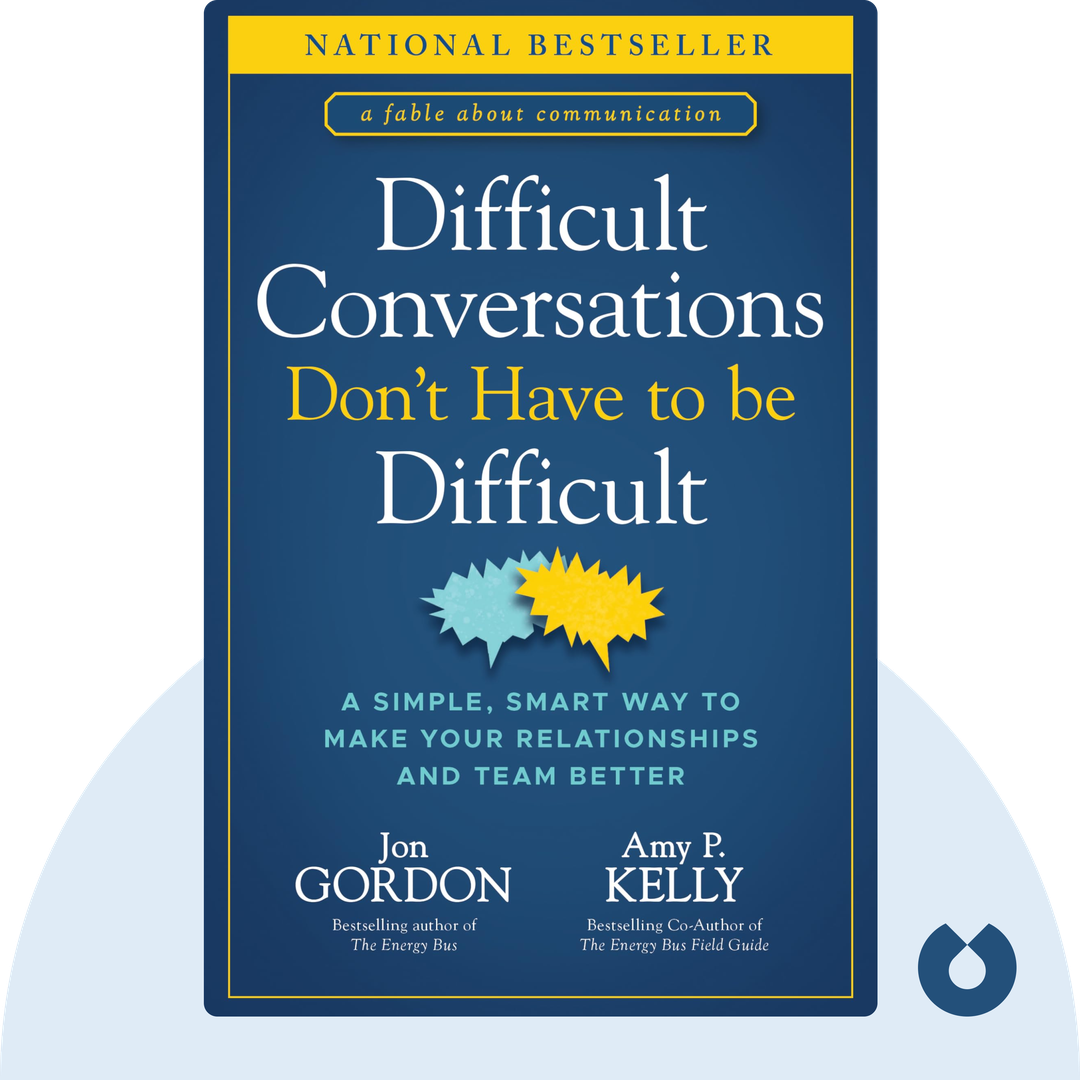
Difficult Conversations Don't Have to Be Difficult
Start ListeningDownload Try free on iPhoneScan to start in 5 seconds
Categories:
If You're Curious About These Questions...
You should listen to this audiobook
- What specific, sequential steps can you take before, during, and after a difficult conversation to ensure both parties walk away feeling positive and understood?
- Why does focusing on the objective consequences of an action, rather than making personal accusations, fundamentally change the dynamic of a highly charged conversation?
- How does the STARRR method help teams navigate interpersonal conflicts and prioritize collective success over individual interests?
Listen to Difficult Conversations Don't Have to Be Difficult — Free Audiobook
Loading player...
Key Takeaways from Difficult Conversations Don't Have to Be Difficult
- Discover why avoiding difficult conversations allows problems to escalate, ultimately leading to toxic work environments, missed deadlines, and damaged relationships.
- Master a proven, six-step framework—from setting the stage to reinforcing agreements—that transforms daunting confrontations into opportunities for positive change.
- Learn how to properly set the stage for a successful discussion by choosing a private, neutral space and scheduling the talk when neither party feels rushed or stressed.
- Understand how to speak your truth effectively by focusing on specific actions and their consequences rather than making personal accusations, thereby preventing defensive reactions.
- Find out how to actively listen and respond with empathy to collaboratively brainstorm solutions, reset expectations, and lay the foundation for resilient relationships.
Learning Tools
Reinforce what you learned from Difficult Conversations Don't Have to Be Difficult
Mind Map
Difficult Conversations Don't Have to Be Difficult
The Cost of Avoidance+
The 6-Step Framework+
Team Conflict (STARRR Method)+
Quiz — Test Your Understanding
Question 1 of 6
According to the book, what is a primary consequence of avoiding difficult conversations in the workplace?
Question 2 of 6
When initiating a difficult conversation and 'telling your truth,' what approach does the book recommend?
Question 3 of 6
What is the main purpose of 'reflecting and responding' after actively listening to someone's concerns?
Question 4 of 6
How should you handle the aftermath of a difficult conversation to ensure lasting positive change?
Question 5 of 6
When guiding hard talks and conflicts in teams, the book recommends the STARRR method. What do the first four letters (STAR) stand for in this context?
Question 6 of 6
Which of the following is a key principle to apply when using the STARRR method for team discussions?
Difficult Conversations Don't Have to Be Difficult — Full Chapter Overview
- 1Recommendation
- 2The price of avoidance
- 3A better approach to communication
- 4Set the stage and speak your truth
- 5Active listening changes everything
- 6Preparing individuals and teams for successful future communication
- 7Final summary
Difficult Conversations Don't Have to Be Difficult Summary & Overview
Difficult Conversations Don’t Have to Be Difficult (2024) is a practical guide to navigating challenging discussions. With a focus on work relationships, it provides a step-by-step method to approach difficult conversations with confidence, empathy, and skill. In doing so, it helps transform potential conflicts into opportunities for growth and positive change.
Who Should Listen to Difficult Conversations Don't Have to Be Difficult?
- Anyone looking to improve their communication skills
- Business leaders wanting to strengthen their interpersonal skills and build strong teams
- HR professionals looking for additional strategies for handling conflict
Books Similar to Difficult Conversations Don't Have to Be Difficult
Readers who enjoyed this also liked these titles.