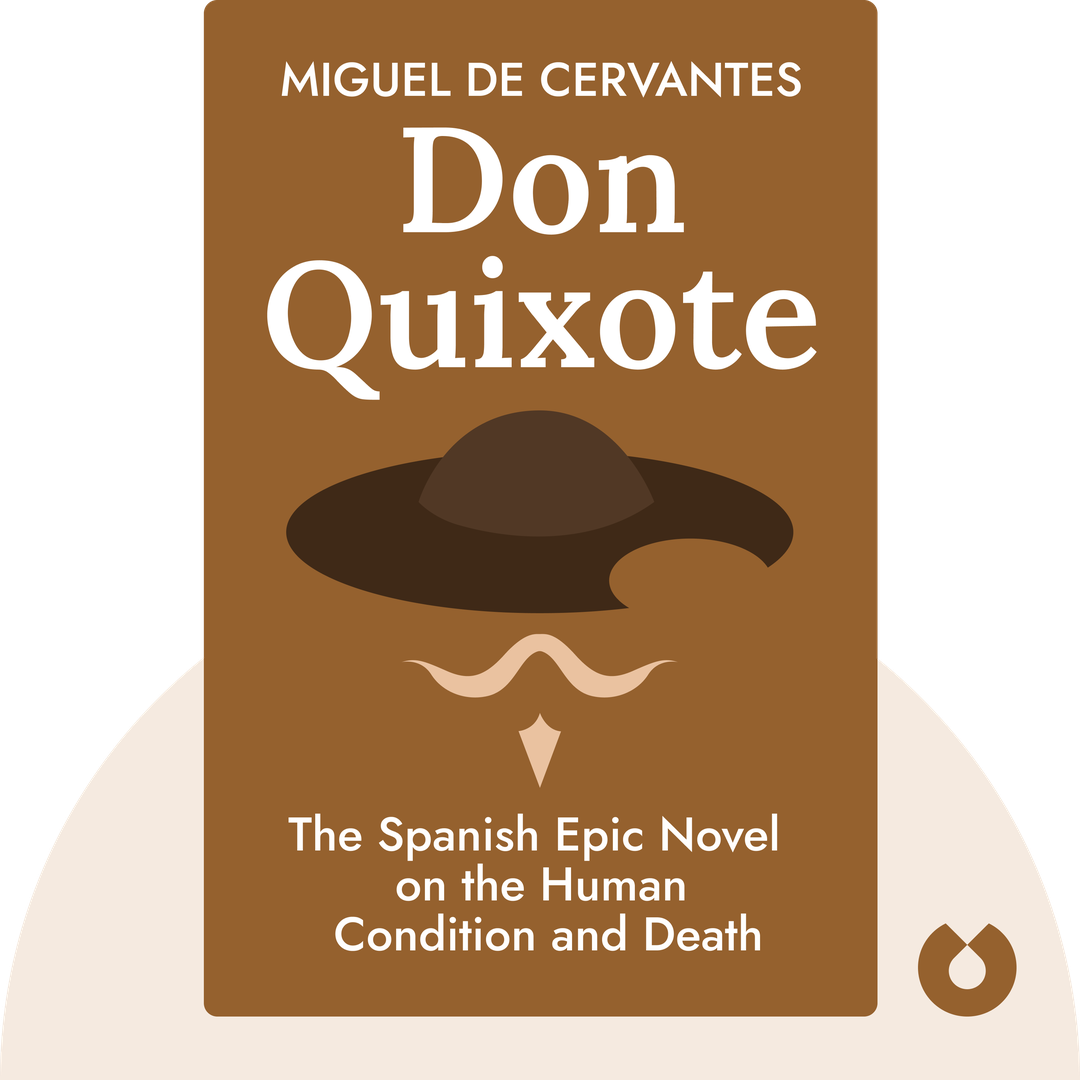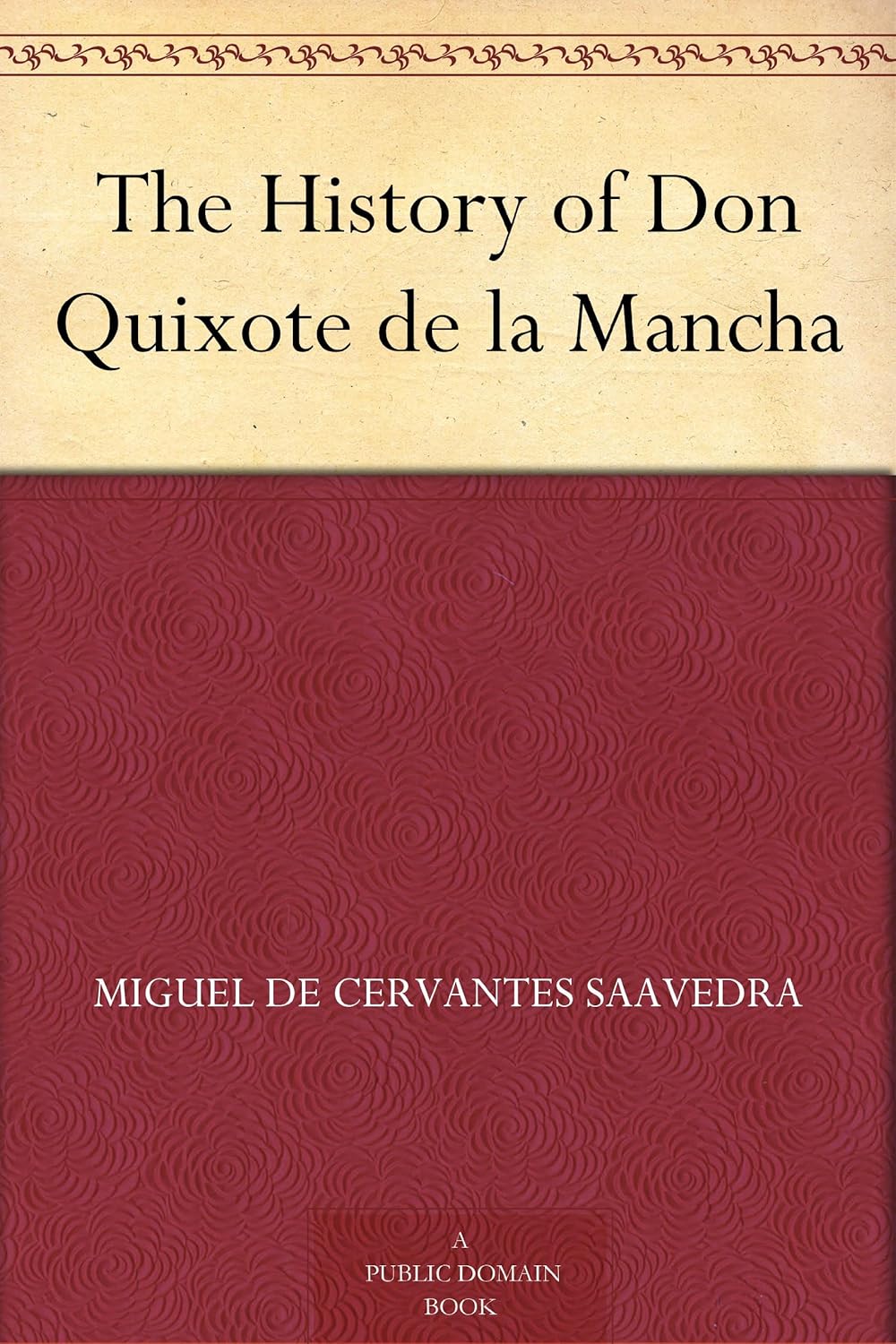
Miguel de Cervantes published the first part of *Don Quixote* in 1605 and its sequel in 1615, during Spain's Golden Age—a period of unparalleled cultural flourishing that paradoxically coincided with the nation's gradual imperial decline. Written while Cervantes struggled with poverty, debt, and the lingering effects of his years as a soldier and captive in Algiers, the novel emerged from a society grappling with the fading glories of conquest and the harsh realities of economic hardship.
The work arose as a satirical response to the chivalric romances that had dominated Spanish literature, tales of noble knights and fantastical adventures that Cervantes viewed as both absurd and potentially dangerous in their influence on readers. By creating a protagonist who loses his sanity through excessive reading of such romances, Cervantes crafted a devastating parody that simultaneously mourned the death of idealism in a cynical world.
*Don Quixote* is widely considered the first modern novel, pioneering techniques such as metafiction, unreliable narration, and the exploration of the boundary between reality and illusion. Its influence on world literature is immeasurable, inspiring writers from Fielding and Sterne to Dostoevsky and Kafka. The novel's central tension—between the noble delusions of its hero and the brutal pragmatism of the world—continues to resonate as a meditation on the power of imagination and the courage required to pursue ideals in the face of an indifferent universe.