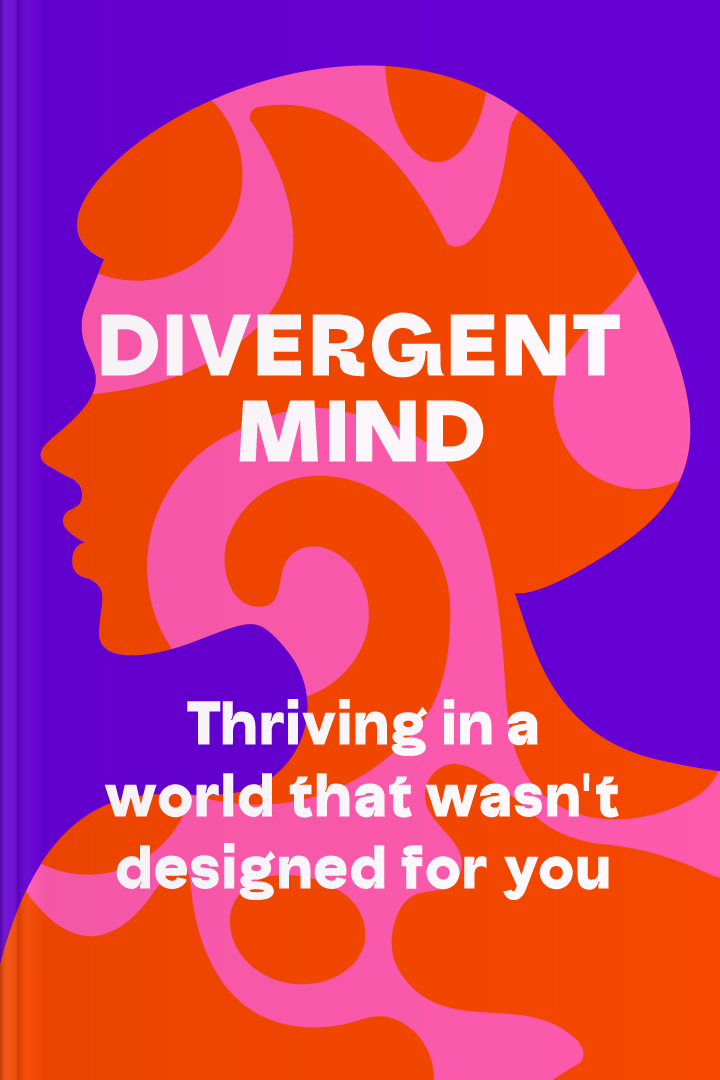
If You're Curious About These Questions...
You should listen to this audiobook
- Have you ever wondered why 'fitting in' sometimes leaves you feeling completely drained, anxious, or burnt out behind closed doors?
- Did you know that for decades, our understanding of the brain largely ignored the unique ways neurodivergence presents in women and girls?
- What if the secret to your well-being isn't about 'fixing' your brain, but about discovering how your sensitivity can actually become a strength in the right environment?
Listen to Divergent Mind — Free Audiobook
Key Takeaways from Divergent Mind
- Learn how the exhausting habit of 'masking'—hiding neurodivergent traits to blend in—disproportionately affects women and fuels hidden anxiety and depression.
- Understand why the concept of a 'normal' brain is actually a shifting social expectation rather than a strict scientific boundary.
- Explore the four specific types of neurodivergence closely linked with high sensitivity: Highly Sensitive Person (HSP), ADHD, Sensory Processing Disorder (SPD), and autism.
- Find out how to safely drop the exhausting performance of societal expectations by confiding in trustworthy people and replacing internalized shame with self-understanding.
- Discover how historical medical biases and the systemic dismissal of women's inner lives have caused generations of neurodivergent women to be misdiagnosed or completely overlooked.
Divergent Mind — Full Chapter Overview
Chapter 1: Recommendation
Chapter 2: Different Brains, Real Experiences
Chapter 3: How History Shaped What We Notice
Chapter 4: Sensitivity Isn’t Weakness
Chapter 5: ADHD and the Relief of Structure
Chapter 6: When the World Feels Too Much: Autism and Sensory Processing
Chapter 7: Designing Life Around Real Needs
Chapter 8: A Kinder World for Different Minds
Divergent Mind Summary & Overview
This audio summary explores neurodivergence through a compassionate lens, with special attention to how often women and girls have been overlooked in research and misunderstood in everyday life. It gently explains why “masking” can look like coping on the outside while quietly creating anxiety, exhaustion, and depression on the inside.
Moving from history into lived experience, it introduces four sensitivity-linked forms of neurodivergence—high sensitivity, ADHD, autism, and sensory processing differences—and reflects on how structured environments, supportive relationships, and thoughtful spaces can reduce strain and help strengths emerge. The central invitation is simple: learn, listen, and help create a world where different brains are treated as human variation, not a problem to hide.
Who Should Listen to Divergent Mind?
- Women and girls who suspect they may be neurodivergent and want language for what they’ve been carrying silently
- Partners, parents, friends, educators, and managers who want to support neurodivergent people with more understanding and less judgment
- Anyone interested in how sensitivity and environment shape mental health, identity, and belonging
Books Similar to Divergent Mind
Readers who enjoyed this also liked these titles.

How to Fall In Love With Your Neurodivergent Brain
Unleashing the Advantages of Your Differently Wired Brain
The Hidden Power of the Highly Sensitive Person in a Loud, Fast, Too-Much World
If life feels too fast to keep up with, this gentle audio guide offers a clearer, kinder understanding of ADHD—what’s happening in the brain, why it isn’t a character flaw, and how small, practical supports can make focus and daily routines feel more possible.