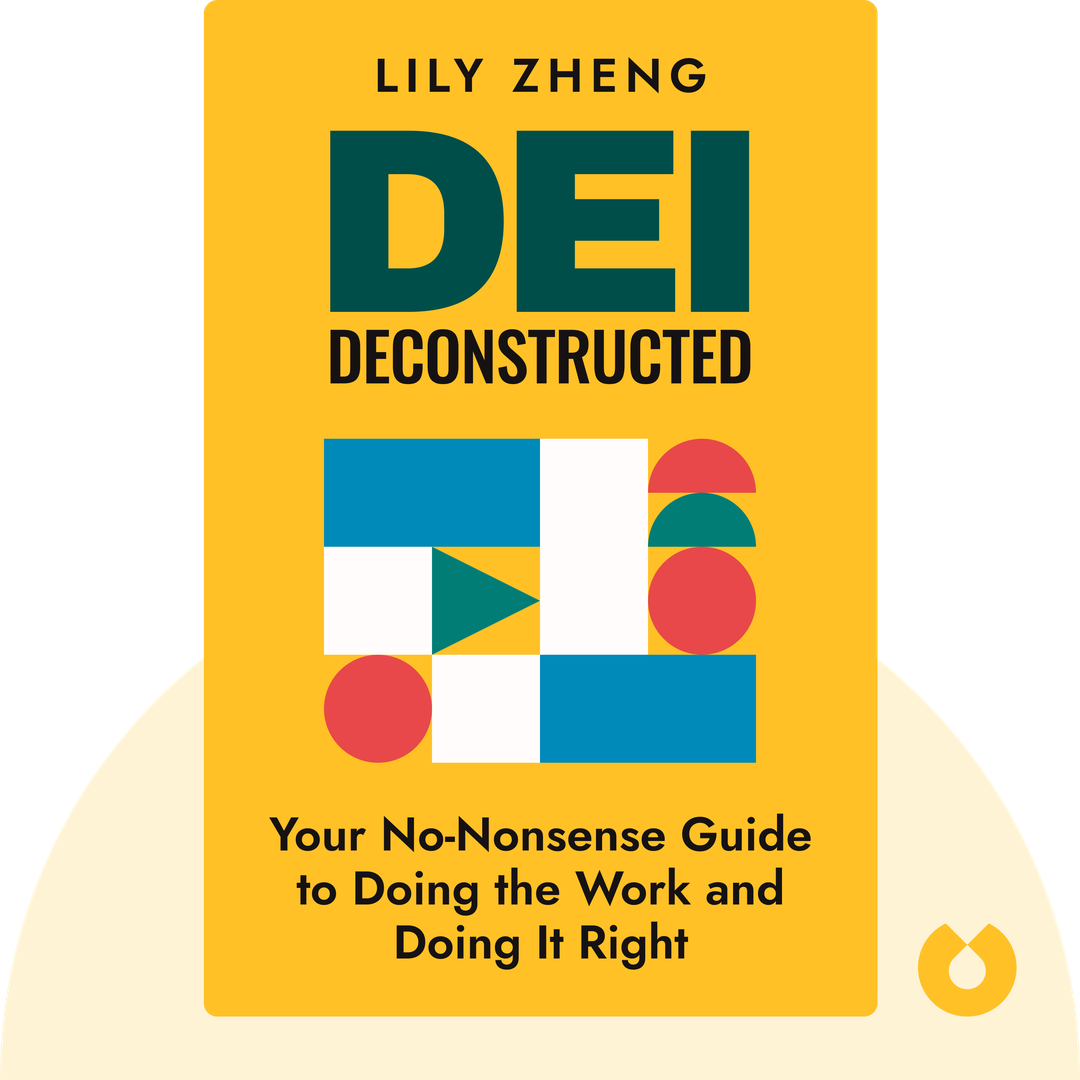
If You're Curious About These Questions...
You should listen to this audiobook
- Have you ever wondered why most DEI initiatives fail to create lasting results, and what it actually takes to drive systemic change?
- What if you could move beyond performative gestures and build a truly equitable workplace using a data-driven, pragmatic roadmap?
- Are you curious about the secret to transforming DEI from a corporate buzzword into a powerful engine for organizational success?
Listen to DEI Deconstructed — Free Audiobook
Loading player...
Key Takeaways from DEI Deconstructed
- Understand the true definitions of diversity, equity, and inclusion to move beyond supportive buzzwords and actively dismantle structural workplace barriers.
- Discover why employee trust is the make-or-break 'currency' of cultural change that dictates exactly which DEI strategy you should implement.
- Learn how to combat skepticism in medium-trust workplaces by tying leadership bonuses to concrete goals and empowering grassroots DEI councils.
- Find out how to overcome deep corporate cynicism in low-trust environments by acknowledging past mistakes and redistributing decision-making power to disadvantaged groups.
- Avoid the trap of performative DEI initiatives by gathering specific quantitative and qualitative data about your organization instead of blindly applying generic best practices.
Learning Tools
Reinforce what you learned from DEI Deconstructed
Mind Map
DEI Deconstructed
Core Definitions+
Trust-Based Strategy+
Foundational Pillars+
Tactical Processes+
Quiz — Test Your Understanding
Question 1 of 7
According to the text, how is 'equity' distinctly achieved within an organization?
Question 2 of 7
How should leaders approach DEI initiatives in a 'low-trust' organizational environment plagued by cynicism?
Question 3 of 7
What is highlighted as a highly effective method for building true accountability into an organization's DEI goals?
Question 4 of 7
Why does the author caution against using highly sanitized, aspirational DEI messaging during recruitment?
Question 5 of 7
What is the recommended approach to handling candidate identity on resumes to improve diversity during the hiring process?
Question 6 of 7
How should organizations handle 'office housework,' such as taking notes in meetings, to ensure equitable advancement?
Question 7 of 7
When workplace conflict or harm occurs, what approach does the author recommend over zero-tolerance policies?
DEI Deconstructed — Full Chapter Overview
- 1Recommendation
- 2Trust shapes your strategy
- 3Laying the foundation
- 4Step by step, one move at a time
- 5Final summary
DEI Deconstructed Summary & Overview
DEI Deconstructed (2022) bridges theory and messy reality with pragmatic insights to make your organization more diverse, equitable, and inclusive. Moving beyond ineffective strategies, it provides a detailed foundation and roadmap for driving systemic change within companies.
Who Should Listen to DEI Deconstructed?
- Business leaders seeking systemic DEI change in their organizations
- Managers aiming to build inclusive and diverse teams
- Employees looking to improve DEI from within their companies
Books Similar to DEI Deconstructed
Readers who enjoyed this also liked these titles.