If You're Curious About These Questions...
You should listen to this audiobook
- Have you ever wondered why so many DEI initiatives feel like performative gestures instead of creating real, measurable change?
- What’s the secret to moving beyond simple 'awareness' and building a DEI strategy that actually delivers equitable outcomes for everyone?
- What if you could stop guessing and use a data-driven, practical framework to reconstruct your organization’s culture from the ground up?
Listen to Reconstructing DEI — Free Audiobook
Loading player...
Key Takeaways from Reconstructing DEI
- Learn how to ground your DEI efforts through deep introspection by identifying your core values and analyzing how your intersecting social identities create unique privileges and marginalizations.
- Discover how to expand your capacity for change by establishing shared accountability with colleagues who possess complementary skills and aligned DEI objectives.
- Understand how to transform your intuition into action by defining measurable outcomes, testing your hypotheses with data, and crafting compelling narratives to influence leadership.
- Master the art of shifting workplace microcultures by evaluating current behavioral norms and implementing practical strategies like structured, inclusive decision-making.
- Find out how to actively champion inclusion by taking personal responsibility for your own education, ensuring you never impose the burden of teaching on marginalized individuals.
Learning Tools
Reinforce what you learned from Reconstructing DEI
Mind Map
Reconstructing DEI
1. Defining Yourself (Introspection)+
2. Expanding Capacity (Collaboration)+
3. Identifying Issues (Data & Narrative)+
4. Shifting Culture (Inclusion)+
5. Navigating Conflict (Harm Reduction)+
6. Building Coalitions (Movements)+
7. DEI Strategy (Systemic Change)+
8. Achieving DEI (Sustainability)+
Quiz — Test Your Understanding
Question 1 of 8
What is the primary purpose of the 'Defining yourself' exercises, which involve listing core values and analyzing social identities?
Question 2 of 8
How does the author suggest establishing 'shared accountability' in DEI work?
Question 3 of 8
When a practitioner has a 'gut feeling' about an inequity in the workplace, what does the book state is the crucial next step?
Question 4 of 8
What is a key principle the author emphasizes when educating yourself about different cultures and identities?
Question 5 of 8
According to the book, what is the recommended alternative to traditional punitive measures when addressing conflict and harm?
Question 6 of 8
When building a coalition for a DEI movement, what strategy does the author recommend regarding various stakeholders?
Question 7 of 8
If an organization's members distrust DEI efforts due to past failures, what specific strategic approach does the author recommend?
Question 8 of 8
In the author's four-level model of DEI maturity, what characterizes a 'Level 3' organization?
Reconstructing DEI — Full Chapter Overview
- 1Recommendation
- 2Define yourself
- 3Expand your capacity
- 4Identify DEI issues
- 5Shift culture toward inclusion
- 6Navigate conflict and reduce harm
- 7Build coalitions
- 8DEI planning
- 9Achieve DEI
Reconstructing DEI Summary & Overview
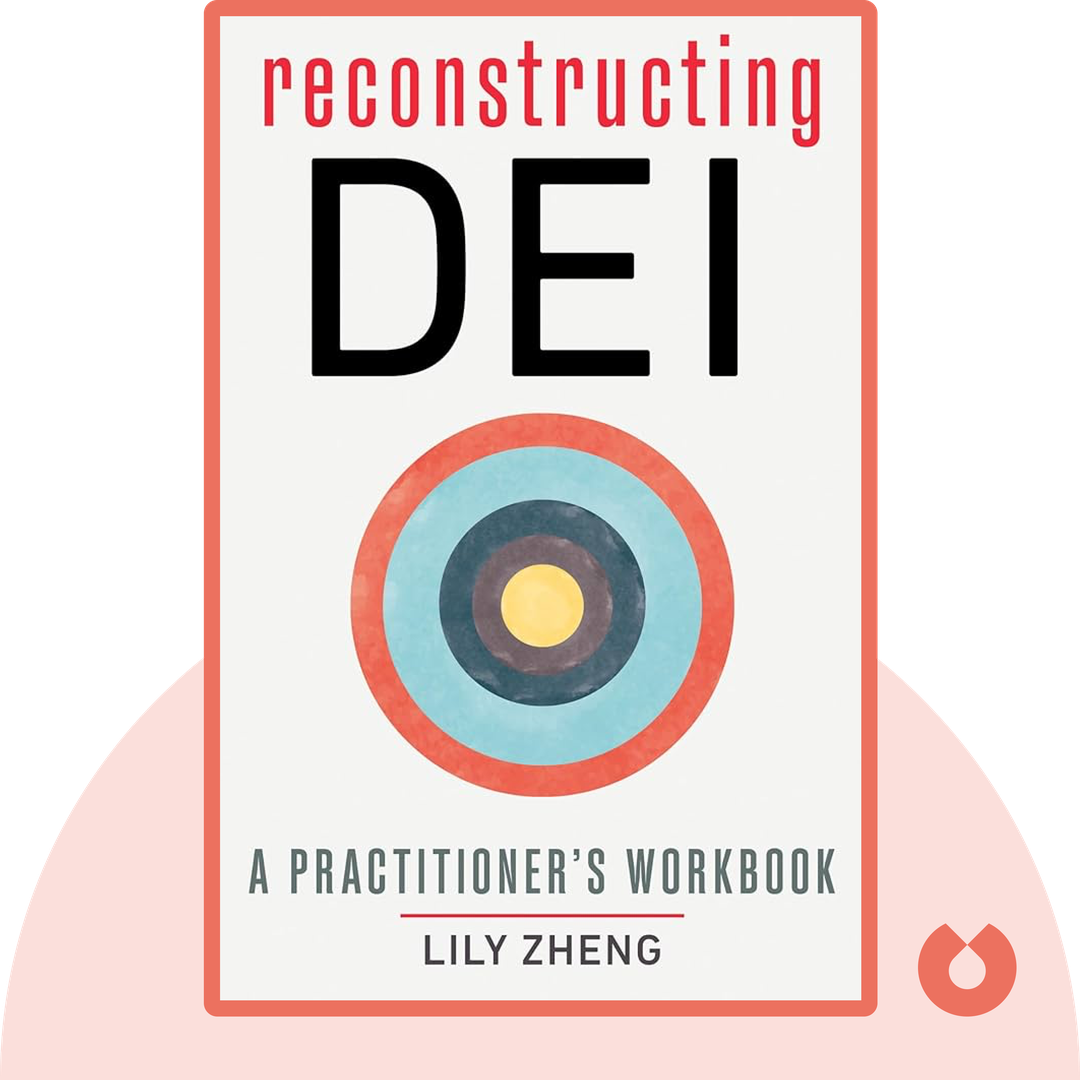
Reconstructing DEI (2024) offers an in-depth guide for implementing effective diversity, equity, and inclusion strategies (DEI) in various organizational contexts. It provides readers with practical tools, exercises, and case studies to navigate and enhance DEI initiatives, aiming to foster more inclusive environments and equitable outcomes.
Who Should Listen to Reconstructing DEI?
- HR professionals, corporate executives, middle managers, and small business owners
- Nonprofit organizations focused on social justice and advocacy
- DEI practitioners, and anyone responsible for implementing DEI initiatives at an organization
Books Similar to Reconstructing DEI
Readers who enjoyed this also liked these titles.