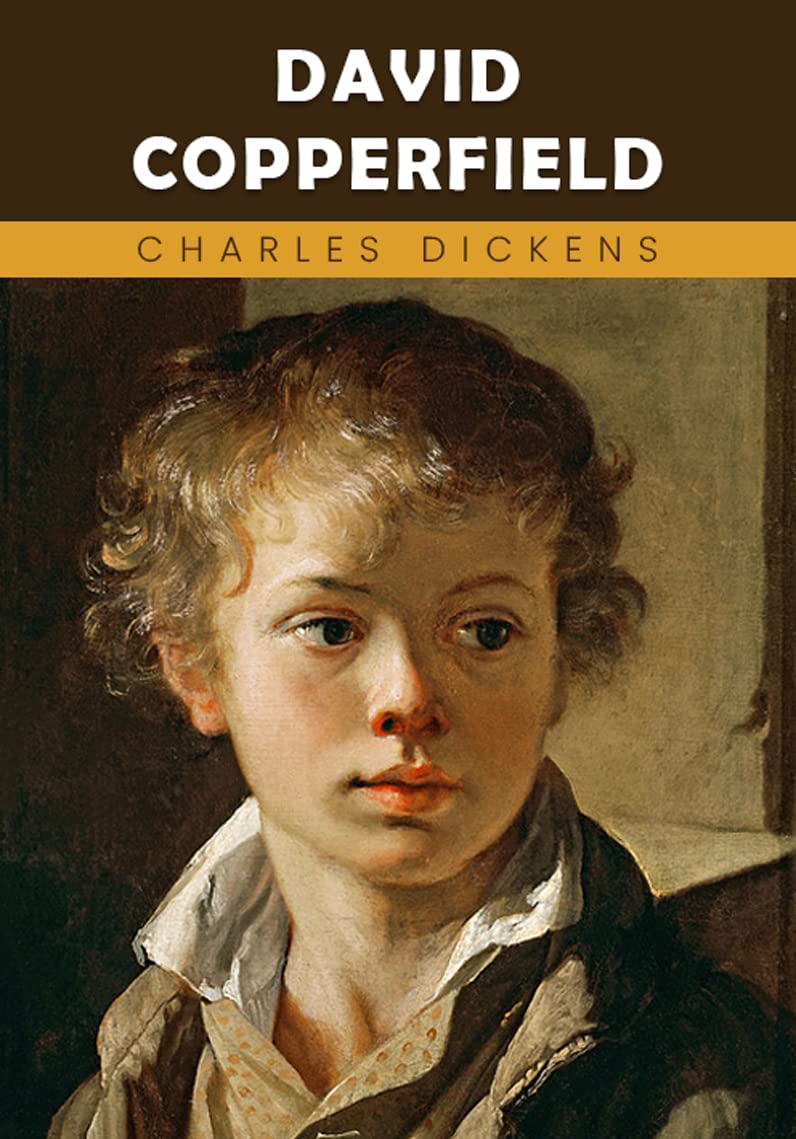
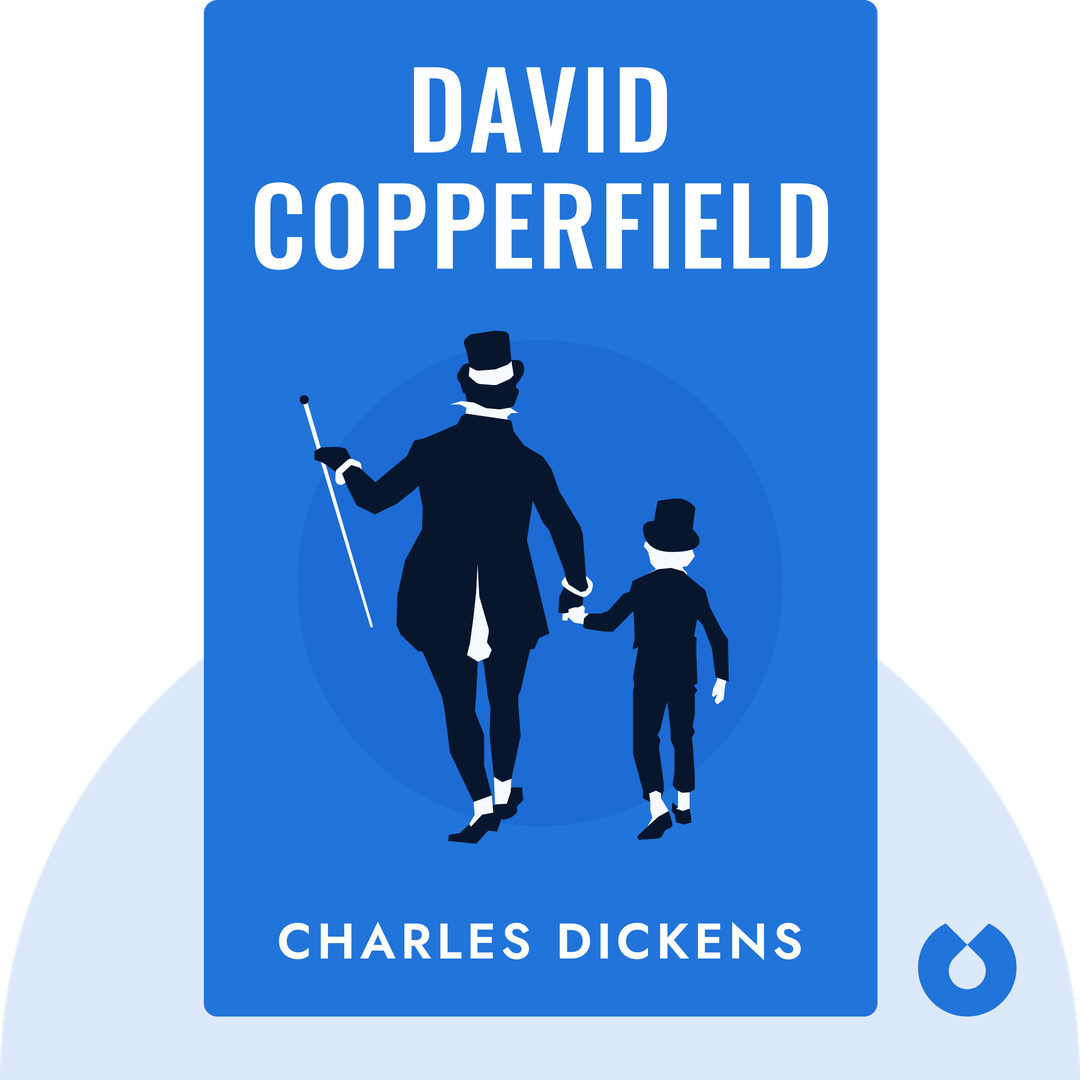
David Copperfield is widely regarded as one of Charles Dickens's most beloved and enduring novels, often praised for its rich characterisation, emotional depth, and narrative breadth. Critics historically noted its blend of autobiography and fiction, with Dickens himself describing the book as his "favourite child." Early reception recognised the novel as a culmination of Dickens's comic and storytelling talents, populated with some of the most vivid characters in English literature.
Over time, literary scholars have continued to affirm the novel's significance as a seminal bildungsroman, tracing David's journey from hardship to maturity, and exploring themes of memory, adversity, and moral growth. Critics such as Sylvère Monod described it as "the triumph of the art of Dickens," while modern evaluations have included David Copperfield in lists of the greatest British novels, reflecting its enduring influence.
On Goodreads, many readers praise David Copperfield for its emotional resonance and memorable supporting characters, noting how the story's combination of humour, pathos and social observation has kept it relevant to successive generations of readers.
Readers often highlight:
• Dickens's portrayal of Victorian social conditions
• The vivid array of characters from Mr. Micawber to Betsey Trotwood
• The compelling arc of personal struggle and triumph
Sources:
• Wikipedia – David Copperfield reception and literary significance: https://en.wikipedia.org/wiki/David_Copperfield
• Goodreads – Community reviews for David Copperfield: https://www.goodreads.com/book/show/58696.David_Copperfield