If You're Curious About These Questions...
You should listen to this audiobook
- Have you ever wondered why the 'spark' in long-term relationships often seems to fade, and what actually replaces it in the most connected couples?
- Did you know that your brain has a 'sexual brake' system that might be working overtime—and that you have the power to turn it off?
- What if you could cultivate a deeply satisfying intimate life by finally letting go of the myth of 'spontaneous desire'?
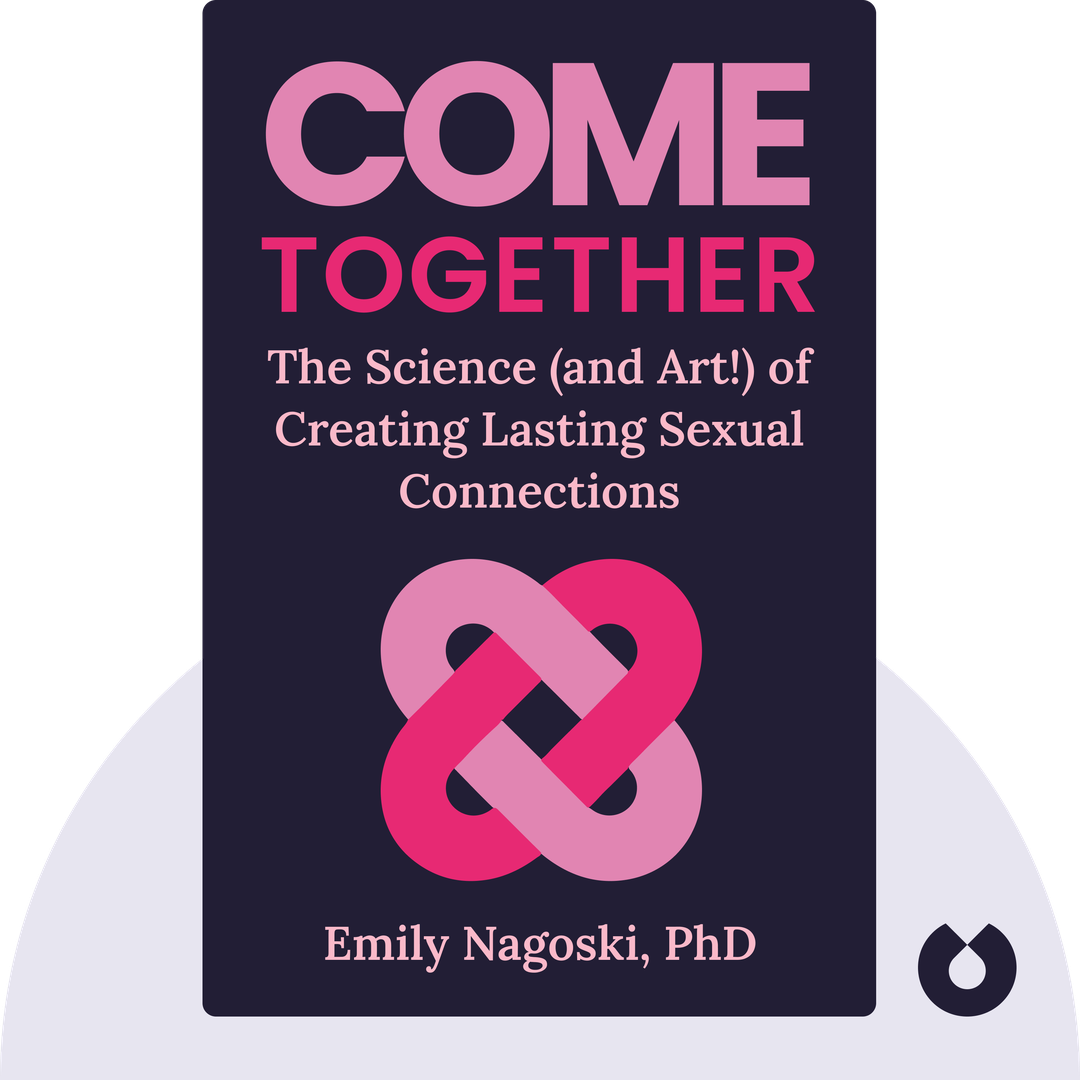
Listen to Come Together — Cinematic Audio Edition
Loading player...
Key Takeaways from Come Together
- Discover how to identify your personal sexual 'accelerators' and 'brakes' to easily create the right context for intimacy and connection.
- Learn why prioritizing genuine pleasure over spontaneous, constant desire is the true secret to sustaining long-term sexual satisfaction.
- Overcome restrictive societal myths, like the 'coital imperative,' by granting yourself blanket permission to explore intimacy on your own terms.
- Map out your unique 'emotional floor plan' to understand how navigating spaces of play, care, and seeking can gently guide you back to lust.
- Understand that 'normal' sexuality is simply defined by mutual consent and the absence of unwanted pain, freeing you from the pressure of external expectations.
Learning Tools
Reinforce what you learned from Come Together
Mind Map
Come Together
Redefining Sex & Desire+
Prioritizing Pleasure+
The Emotional Floor Plan+
Navigating Change & Trauma+
Erotic Magic & Savoring+
Real-World Application+
Quiz — Test Your Understanding
Question 1 of 7
What is the primary reason most people want to have sex, according to the text?
Question 2 of 7
What does the 'desire imperative' falsely suggest about long-term relationships?
Question 3 of 7
How does the author define 'normal' sexuality?
Question 4 of 7
In the concept of the 'emotional floor plan', which of the following is considered a 'pleasure-favorable' room that can sometimes be complicated because it also includes non-erotic chores like changing diapers?
Question 5 of 7
What is the purpose of the 'third thing conversation' when dealing with relationship wounds?
Question 6 of 7
According to the text, the 'magic trick' for accessing profound connection and erotic wisdom involves which key technique?
Question 7 of 7
How did Mike and Kendra overcome their loss of intimacy during Kendra's pregnancy?
Come Together — Full Chapter Overview
- 1Recommendation
- 2What We Truly Want from Sex
- 3Let Pleasure Be the Measure
- 4Exploring Your Emotional Blueprint
- 5Embracing Change
- 6Erotic Magic
- 7Learning from One Another
- 8Final summary
Come Together Summary & Overview
Come Together (2024) warmly and compassionately offers practical advice for improving sexual well-being, particularly in long-term relationships where one or more partners may be experiencing low libido. It explores the complexities of human sexuality with a focus on the science of sexual response and the psychology of desire. Notably, it’s highly inclusive and applicable to people in relationships regardless of gender, orientation, or relationship structure.
Who Should Listen to Come Together?
- Couples seeking to improve their sexual intimacy and understanding
- Individuals exploring their own sexuality and sexual health
- Sex educators looking for research-based information to share
Books Similar to Come Together
Readers who enjoyed this also liked these titles.