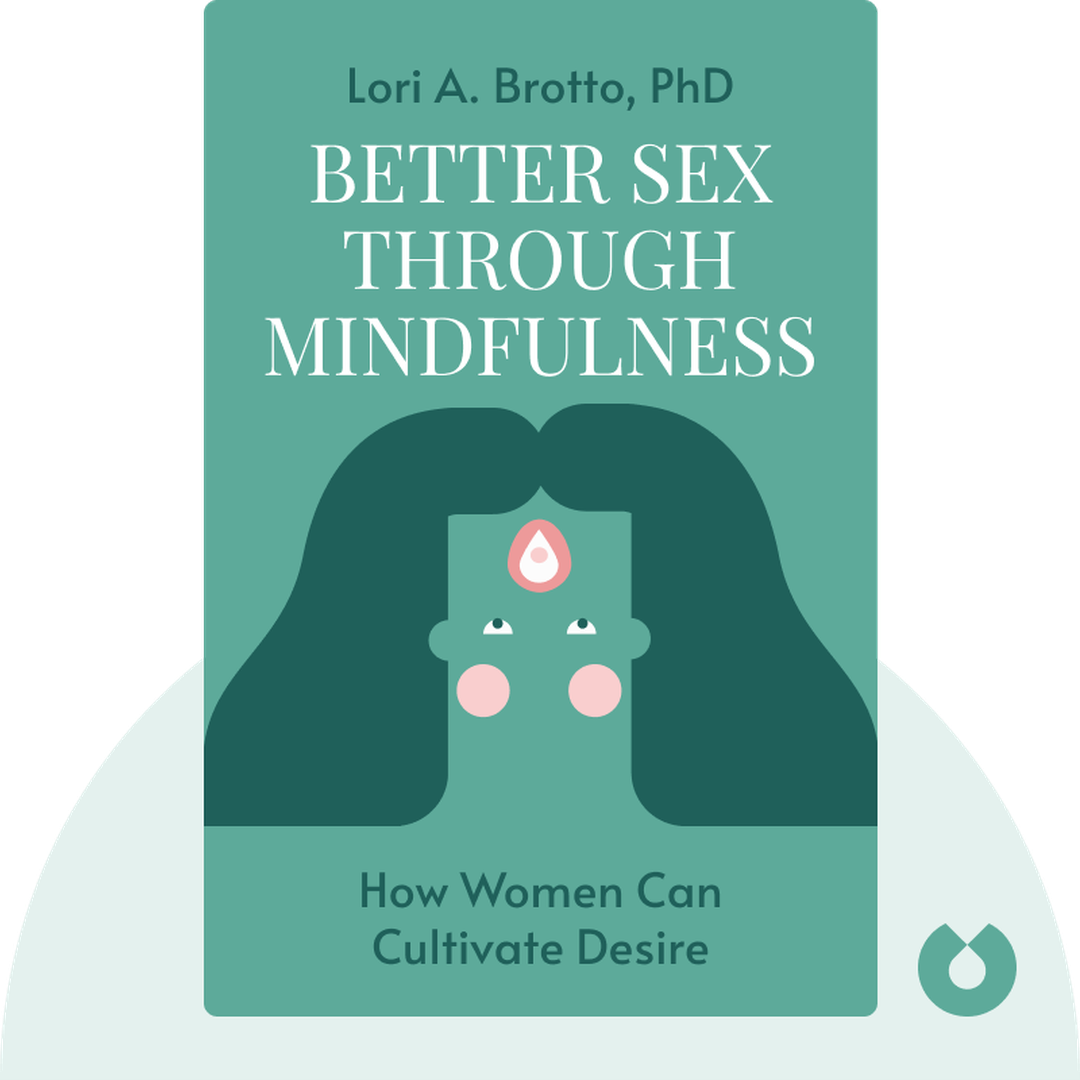
Better Sex Through Mindfulness
Start ListeningDownload Try free on iPhoneScan to start in 5 seconds
Categories:
If You're Curious About These Questions...
You should listen to this audiobook
- Have you ever wondered why your brain—and not your body—is often the biggest obstacle to a fulfilling sex life?
- What if you could silence your inner distractions and finally experience the deep, present connection you’ve been missing?
- What’s the secret to using simple mindfulness techniques to transform sexual discomfort into lasting satisfaction?
Listen to Better Sex Through Mindfulness — Free Audiobook
Loading player...
Key Takeaways from Better Sex Through Mindfulness
- Recognize that sexual difficulties, such as low desire or physical pain, are incredibly common and affect nearly half of all women worldwide.
- Understand the powerful, cyclical link between depression and sexual dysfunction, where a lack of desire can further deepen a low mood.
- Discover how your mindset and deeply held beliefs about aging and intimacy directly influence your physical sexual response.
- Learn why the modern habit of multitasking and chronic stress distract your brain and actively diminish your physical sexual arousal.
- Master the practice of mindfulness to anchor your attention in the present moment, eliminate judgment, and unlock a deeply satisfying sex life.
Learning Tools
Reinforce what you learned from Better Sex Through Mindfulness
Mind Map
Better Sex Through Mindfulness
The Reality of Sexual Difficulties+
The Mind-Sex Connection+
The Mindfulness Solution+
Practical Applications+
Quiz — Test Your Understanding
Question 1 of 8
According to the text, what is the most common sexual complaint among women globally, and how do most women handle the distress it causes?
Question 2 of 8
How do personal beliefs and attitudes impact a woman's experience of sexual desire, according to the book?
Question 3 of 8
Why does the author argue that 'multitasking' is detrimental to sexual enjoyment?
Question 4 of 8
When practicing mindfulness meditation, what should a person do when distracting thoughts inevitably creep in?
Question 5 of 8
What key lesson are women meant to learn from the exercise of mindfully eating a raisin?
Question 6 of 8
What does the concept of 'sexual concordance' refer to, and how do men and women typically compare in this area?
Question 7 of 8
How does mindful self-exploration, such as using a hand-held mirror, help women who feel shame about their bodies?
Question 8 of 8
How can mindfulness therapy help women who experience chronic genital pain, such as provoked vestibulodynia (PVD)?
Better Sex Through Mindfulness — Full Chapter Overview
- 1Recommendation
- 2Sexual dysfunction is a common issue for women worldwide.
- 3Depression and thought patterns play a major role in sexual difficulties.
- 4Many people struggle to stay present, which affects sexual pleasure.
- 5Mindfulness means bringing your attention to the present through body and mind awareness.
- 6Mindfully eating a raisin can make sex feel more alive.
- 7Sexual arousal and pleasure depend on both body and mind.
- 8Mindful body awareness can help you feel more comfortable with yourself and with sex.
- 9Women who feel pain during sexual contact can use mindfulness to help manage it.
- 10Final summary
Better Sex Through Mindfulness Summary & Overview
Focusing on women, Better Sex Through Mindfulness (2018) explores why stress and a lack of attentiveness are the root causes for many sexual problems, and shows how mindfulness can help all women be more satisfied, both inside and outside the bedroom.
Who Should Listen to Better Sex Through Mindfulness?
- Women struggling to stay in the moment during sex
- Women who experience physical or psychological pain as a result of sex
- Sexual partners who want to improve their sex lives through mindfulness
Books Similar to Better Sex Through Mindfulness
Readers who enjoyed this also liked these titles.