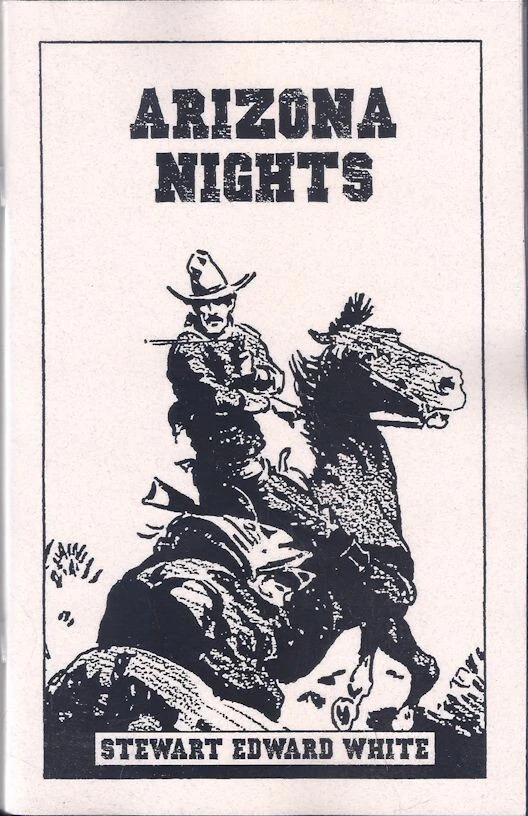
Published in 1907, *Arizona Nights* was written during the early years of the twentieth century following Stewart Edward White’s extensive travels through the American Southwest. At this time, the United States was undergoing a profound transition. The Western frontier, which had defined the nation's expansionist identity for over a century, was rapidly closing due to industrialization and the expansion of the railroad. Arizona was still a rugged, sparsely populated territory—five years away from achieving statehood—and the American public was experiencing a deep cultural nostalgia for the untamed wilderness. This era, heavily influenced by President Theodore Roosevelt’s ethos of rugged individualism, created an eager audience for tales of the fading cowboy lifestyle.
Upon its publication, the collection was significant for its stark departure from the highly sensationalized "dime novels" that dominated popular depictions of the West. While not politically controversial, its quiet rebellion lay in its commitment to gritty realism. White eschewed melodramatic gunfights and exaggerated heroics in favor of episodic campfire tales that captured the genuine camaraderie, dialect, and daily hardships of ranch hands. This grounded approach challenged readers to view the frontiersman not as