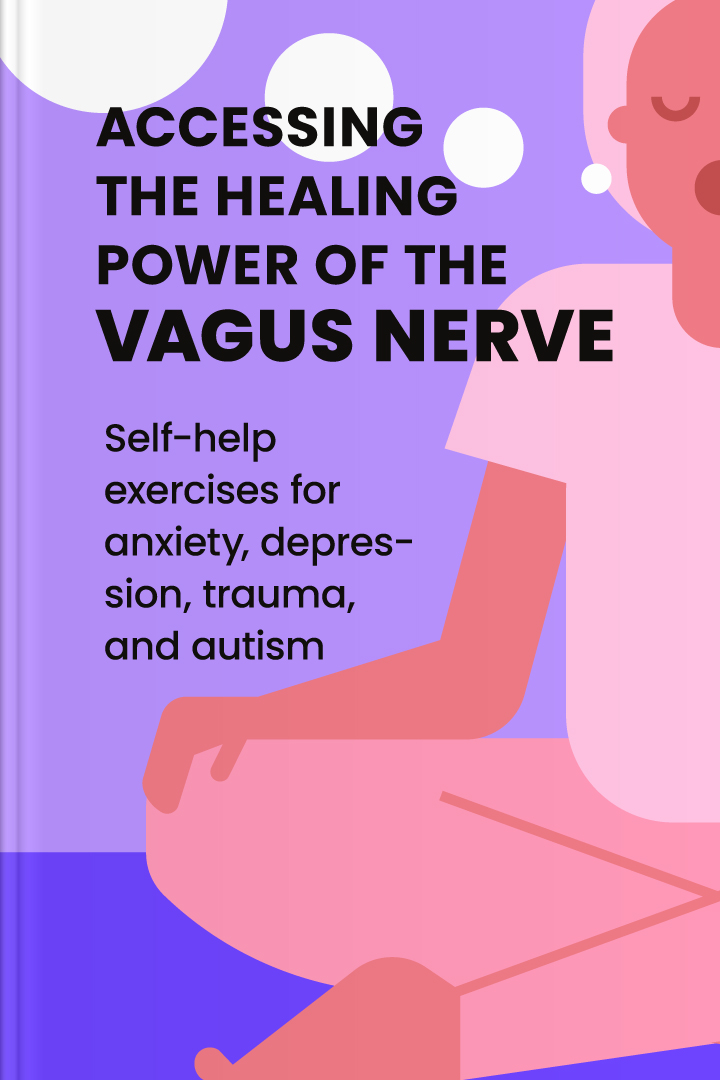
If You're Curious About These Questions...
You should listen to this audiobook
- Did you know that a single nerve in your body acts as a 'master switch' for your heart, digestion, and even your ability to connect with others?
- Have you ever wondered why your body sometimes reacts with fear or tension before your mind even realizes there’s a problem?
- What if you could shift your nervous system out of a state of anxiety or shutdown using simple, gentle exercises designed to reset your stress response?
Listen to Accessing the Healing Power of the Vagus Nerve — Free Audiobook
Key Takeaways from Accessing the Healing Power of the Vagus Nerve
- Understand why physical symptoms like a racing heart or tight stomach are not character flaws, but meaningful messages from your autonomic nervous system asking for emotional care.
- Discover the function of the twelve cranial nerves, paying special attention to the vagus nerve's unique ability to extend into the abdomen to regulate your heartbeat, digestion, and respiration.
- Learn how simple daily practices like mindfulness and gentle movement send vital signals of safety to your nervous system, empowering your body to easily downshift and reset.
- Explore the foundations of Polyvagal Theory to make sense of your body's three primary biological circuits: calm social engagement, intense fight-or-flight, and sudden shutdown.
- Find out how activating the ventral vagus complex supports your parasympathetic nervous system, unlocking deeper feelings of presence, curiosity, and emotional connection.
Accessing the Healing Power of the Vagus Nerve — Full Chapter Overview
Chapter 1: Recommendation
Chapter 2: The Quiet Autopilot Running the Body
Chapter 3: The Twelve Nerves That Help the Brain Speak to the Body
Chapter 4: Three Pathways: Calm, Fight-or-Flight, and Shutdown
Chapter 5: Neuroception: The Body’s Hidden Safety Scanner
Chapter 6: Reading Stress Signals: Face, Heart, and Vagal Tone
Chapter 7: Simple Exercises to Invite the Nervous System Back to Safety
Chapter 8: Autism, Sound, and Pathways Toward Connection
Chapter 9: A Gentle Closing: Support, Small Shifts, and Next Steps
Accessing the Healing Power of the Vagus Nerve Summary & Overview
This narration walks through the body’s automatic stress-and-safety systems in a warm, practical way. It explains how the autonomic nervous system and the vagus nerve influence breath, heartbeat, digestion, mood, and the ability to feel connected with other people.
Along the way, it introduces the cranial nerves, the three circuits described in polyvagal theory, and the concept of neuroception—your nervous system’s unconscious “danger or safety” detection. It also shares a couple of accessible exercises and discusses sound-based approaches that may support some autistic individuals, always with the reminder that care is personal and support is available.
Who Should Listen to Accessing the Healing Power of the Vagus Nerve?
- Listeners who want a kinder, clearer understanding of stress responses like anxiety, shutdown, tension, or digestive upset—and how these may relate to the nervous system.
- People exploring body-based self-regulation tools, such as mindfulness, breathing, and gentle movement, as complements to professional care.
- Caregivers or curious learners who want an introductory, compassionate overview of polyvagal ideas and sound processing in autism.
Books Similar to Accessing the Healing Power of the Vagus Nerve
Readers who enjoyed this also liked these titles.
Neurophysiological Foundations of Emotions, Attachment, Communication, and Self-regulation
This gentle, step-by-step listen explores how people can move from survival-mode reacting into a more centered, creative way of living—by understanding inner energy, listening to emotions, clearing subconscious patterns, opening the heart, and using breath as a steady doorway back to authenticity.
Anxiety isn’t a personal failure—it’s a survival system that sometimes gets stuck on high alert; this gentle guide helps listeners understand what anxiety is, where it lives in the body, and how small, steady shifts in thoughts, feelings, and behavior can bring real relief.
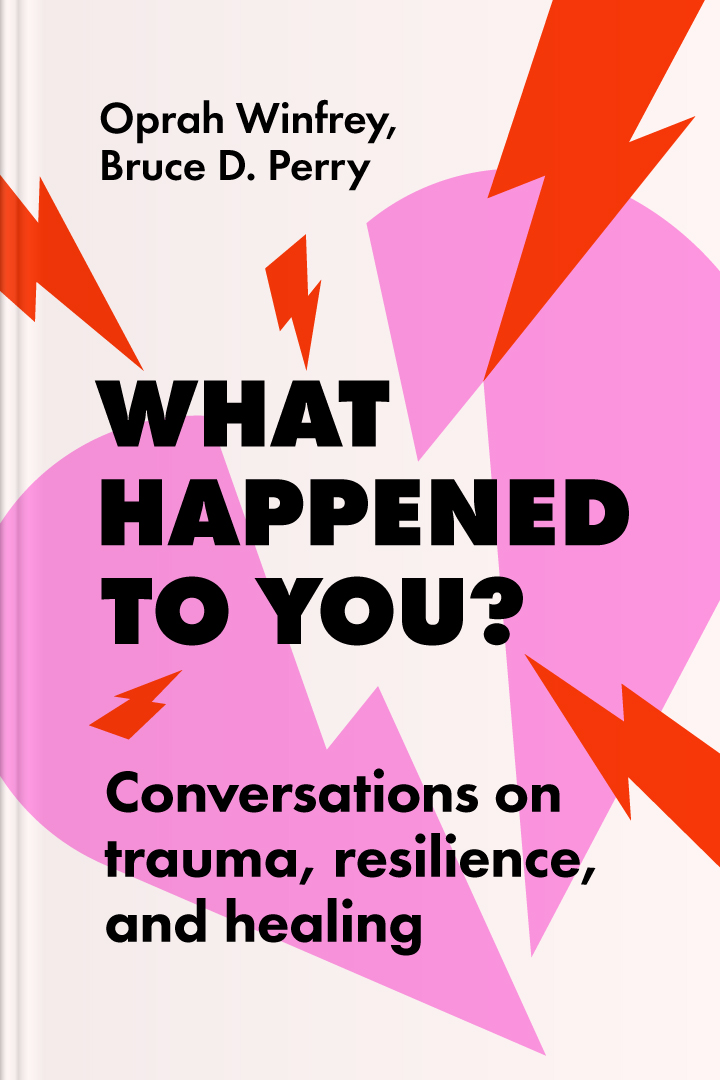
This warm, gentle audio journey explores how early experiences shape the brain and body, why trauma can quietly echo through stress and relationships, and how healing often begins with safety, understanding, and one steady connection at a time.