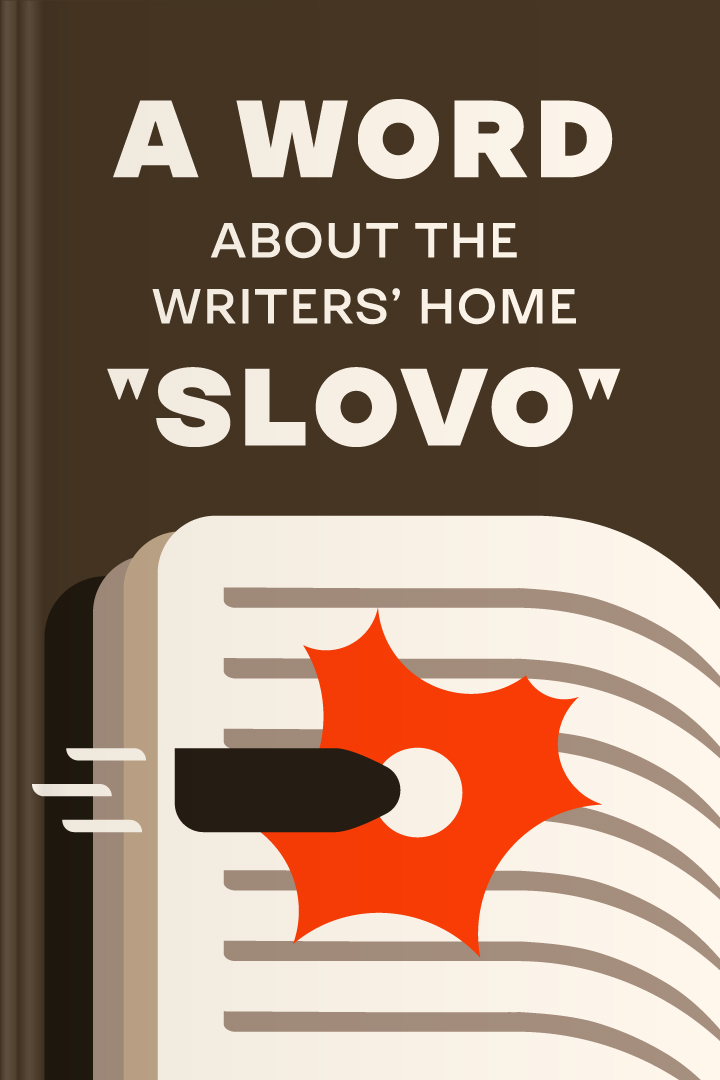
If You're Curious About These Questions...
You should listen to this audiobook
- Did you know that a luxury apartment complex built specifically to foster the genius of Ukraine’s greatest writers was actually designed as a sophisticated trap for state surveillance?
- Have you ever wondered what it would be like to live in a community where your neighbors were world-class poets and directors, only to realize that every phone call and shared book was being monitored by the secret police?
- Are you curious about how a vibrant era of artistic freedom and 'impromptu concerts' could suddenly transform into a chilling period of repression, and what that legacy means for the survival of culture today?
Listen to A Word About the Writers’ Home “Slovo” — Free Audiobook
Key Takeaways from A Word About the Writers’ Home “Slovo”
- Discover how the Slovo House initially symbolized a vibrant era of Ukrainian cultural freedom before functioning as a centralized trap for state surveillance.
- Understand why the rare luxury of private telephones in 1930s Soviet apartments was actually a calculated NKVD tactic to secretly monitor and record residents.
- Realize how the community's desire for privacy inadvertently aided the regime, as gathering the creative elite under one roof made them remarkably easy to control.
- Learn how the state weaponized forced confessions, like Hryhorii Epik's fabricated letter to Stalin, to psychologically devastate the families of arrested writers.
- Explore how residents adapted to a life stripped of privacy, relying on activities like hunting trips just to find spaces free from the extra ears of government informants.
A Word About the Writers’ Home “Slovo” — Full Chapter Overview
Chapter 1: Recommendation
Chapter 2: When Hope Moved In
Chapter 3: The First Entryway, Where the Air Changed
Chapter 4: The Second Entryway, Where Kindness Kept Showing Up
Chapter 5: The Third Entryway, Where Music and Fear Shared the Same Air
Chapter 6: The Fourth Entryway, Where Survival Demanded a Price
Chapter 7: The Fifth Entryway, Where Love, Theater, and Defiance Met Their Limits
Chapter 8: A Beehive of Talent, Between Laughter and Listening Ears
Chapter 9: When the Lights Went Out, Memory Stayed Warm
A Word About the Writers’ Home “Slovo” Summary & Overview
This narration follows the early years of the Slovo House in Kharkiv—built as a cooperative home for writers and artists during the Ukrainianization period of the late 1920s and early 1930s. In its spacious apartments, creativity flourished: neighbors debated literature, shared books, staged impromptu concerts, played volleyball, and found small pockets of freedom in nature and friendship.
And yet, Slovo was also designed to be watched. Phones were installed and bugged, informants blended in, and the creative elite—so full of life—was steadily marked as dangerous. Through the “entryways” of the building, we meet writers, poets, directors, and composers, and we witness how hope was replaced by repression, leaving the survivors to carry fear, loss, and memory for decades.
Who Should Listen to A Word About the Writers’ Home “Slovo”?
- Listeners interested in Ukrainian cultural history and the fate of artists under totalitarian systems
- Anyone who wants a gentle, human-centered telling of how creative communities live, bond, and endure—even as political pressure closes in
- Readers reflecting on freedom of expression, surveillance, and the long echoes of persecution across generations
Books Similar to A Word About the Writers’ Home “Slovo”
Readers who enjoyed this also liked these titles.
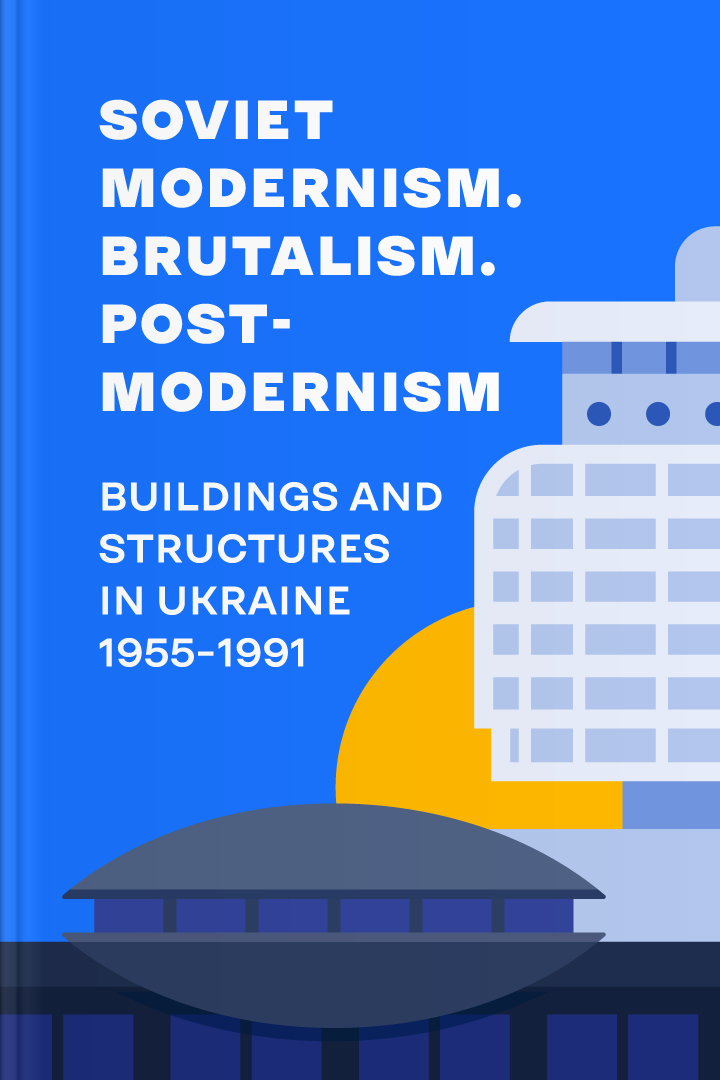
Step into the streets of Soviet-era Ukraine and learn how concrete, brick, and grand façades quietly recorded ideology, hope, control, and change—revealing an emotional history that can still be read today, simply by looking up.
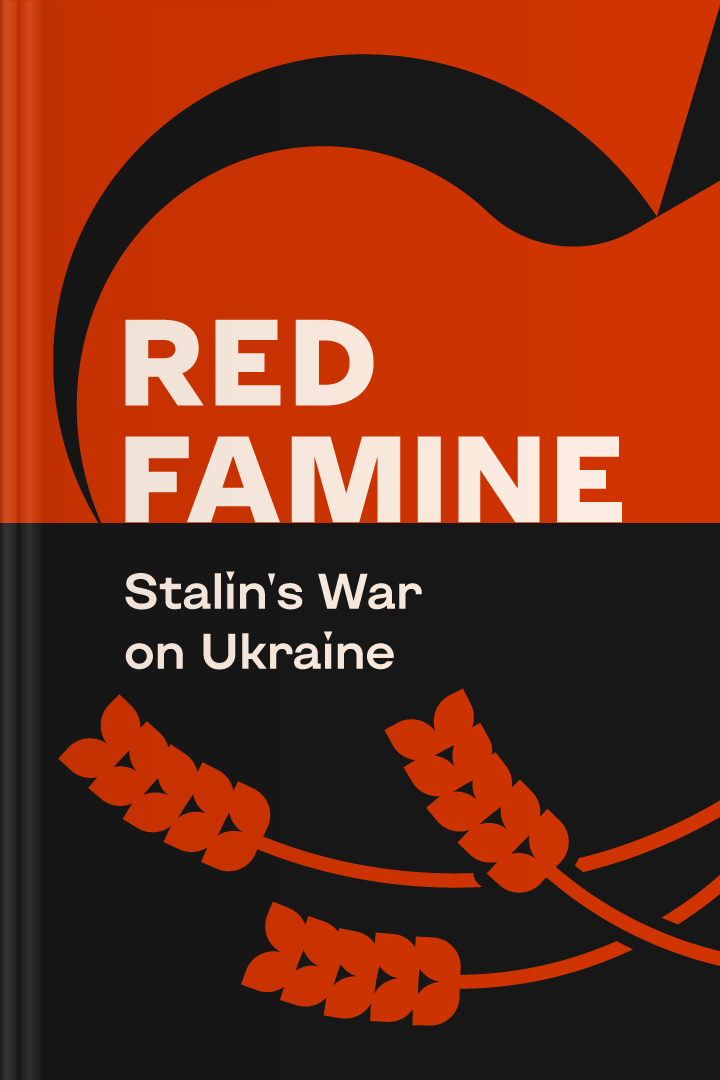
Travel gently through Ukraine’s long fight to exist—its language, culture, revolutions, famine, and survival—and see how suppressed history still shapes the present, offering context for why Ukraine remains at the center of world events today.
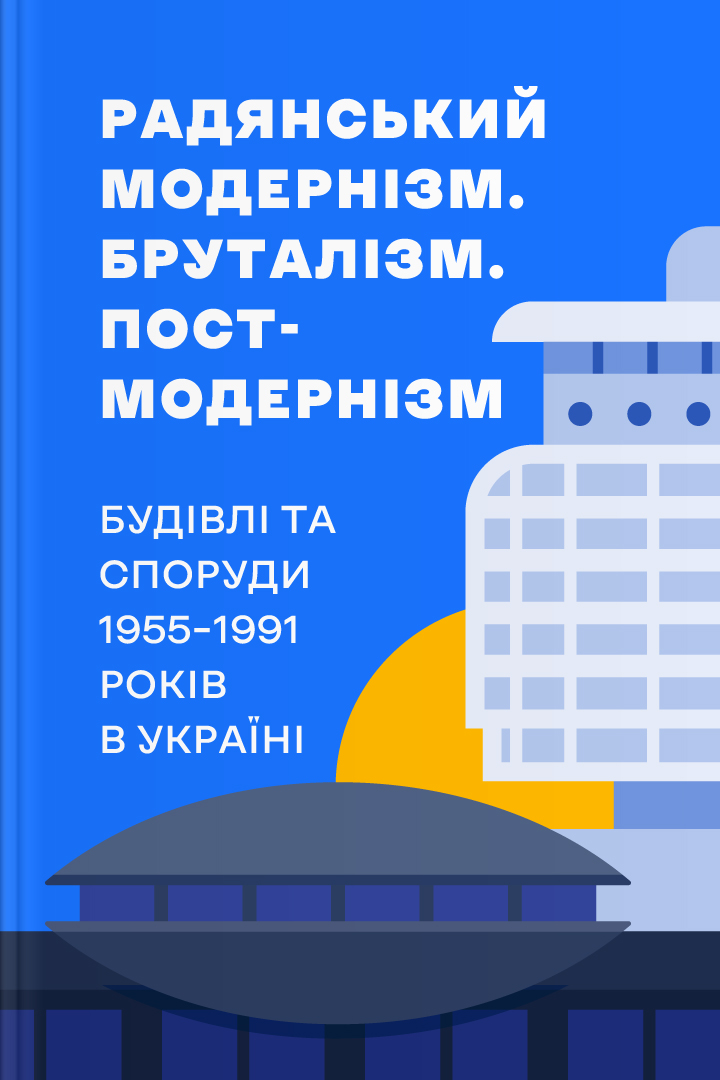
This gentle guided journey looks at Soviet-era buildings in Ukraine as quiet witnesses—shaped by ideology, scarcity, and ambition—and invites a calmer, more thoughtful way to see modernism, brutalism, and postmodernism in the places we pass every day.
Step into Ukraine through the doorway of food—where borscht has countless voices, bread carries tenderness, and even a humble beet or parsnip can reconnect a person with history, home, and the people gathered at the table.