Written and published anonymously in Dublin in 1729, Jonathan Swift’s *A Modest Proposal* emerged during a period of profound economic and social despair in Ireland. At the time, Ireland was effectively a colony of Great Britain, suffering under oppressive trade restrictions and harsh Penal Laws that
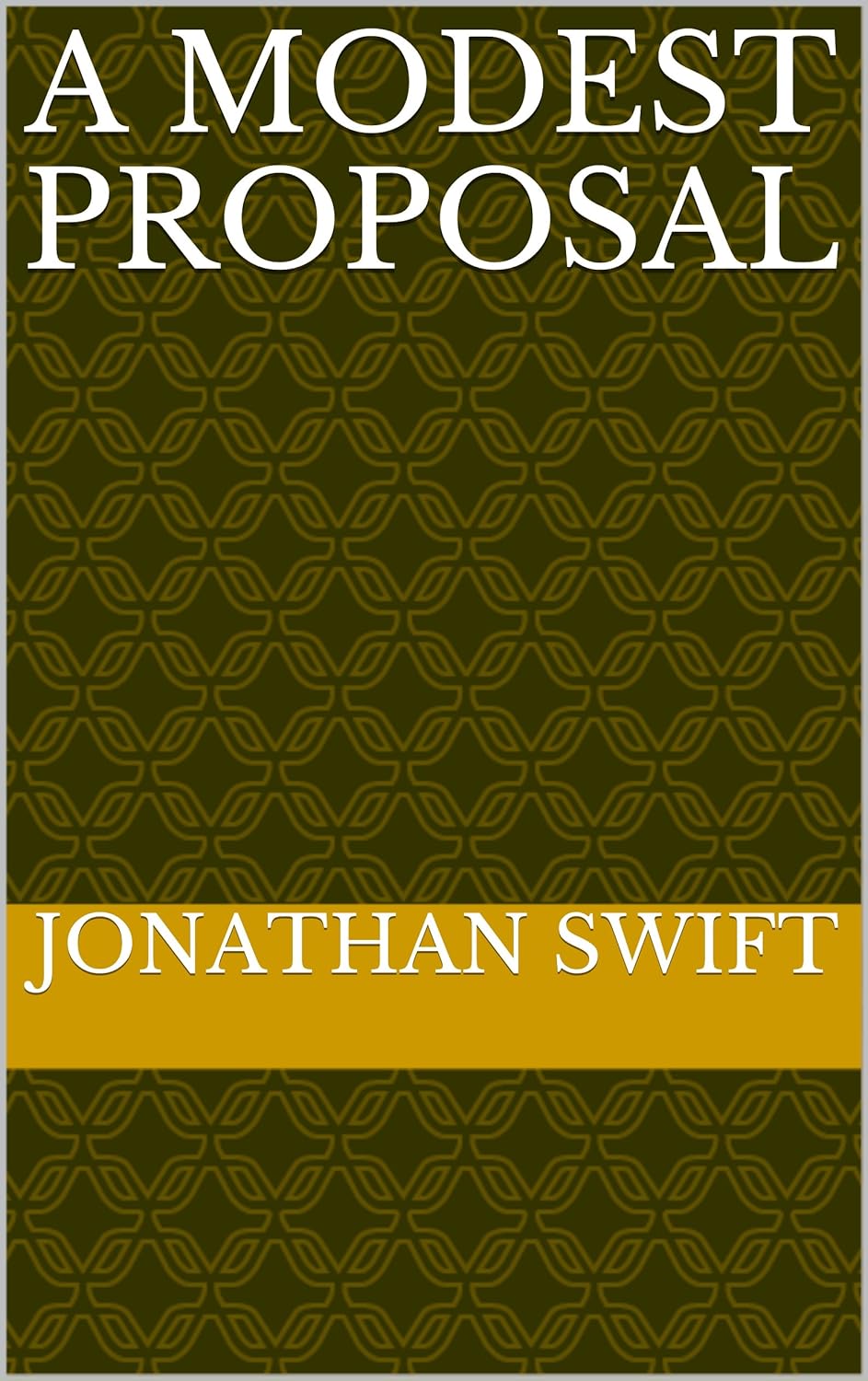
Listen to A Modest Proposal (Full Version) — Free Audiobook
Loading player...
Historical Background
Study Questions
Swift creates a distinct persona to deliver this proposal. How does the narrator's calm, hyper-rational, and highly statistical tone contrast with the horrific nature of his actual suggestion, and what does this contrast reveal about Swift's critique of Enlightenment-era 'projectors' and economic theorists?
Toward the end of the essay, the narrator lists several genuine solutions to Ireland's poverty—such as taxing absentee landlords and buying domestic goods—before dismissing them. Why does Swift embed his actual political beliefs within this satirical framework, and how does the narrator's rejection of these real reforms amplify the essay's indictment of the ruling class?
Throughout the text, the Irish poor are described using language typically reserved for livestock or commodities (such as 'breeders' and 'carcasses'). How does this semantic shift function as both a literal mechanism for the narrator's economic argument and a symbolic reflection of how the British Empire and absentee landlords dehumanized the Irish populace?
What Critics and Readers Say
Jonathan Swift's A Modest Proposal is one of the most renowned satirical essays in English literature, first published anonymously in 1729. Swift adopts the voice of a solemn "proposer" who recommends an outrageous solution to extreme poverty in Ireland: that poor families sell their children as food to the wealthy elite. This absurd premise is not meant to be taken literally, but rather to shock readers into recognizing the cruelties of social and economic oppression and the dehumanising attitudes toward the poor that were common in his time.
Critics emphasise that Swift's use of irony, humour, and satirical hyperbole turns what reads like a cold economic proposal into a powerful critique of British colonial policy, mercantilist logic, and the complacent moral attitudes of the wealthy. By structuring his essay as a seemingly rational "solution," Swift exposes how easily human suffering can be reduced to statistics and market logic when empathy and ethical judgement are absent.
Scholar and reader commentaries often highlight the essay's enduring relevance: although written in the 18th century, its themes still resonate in discussions about social injustice, economic exploitation, and the dangers of dehumanising language in public discourse. The piece continues to be widely studied in literature courses for its masterful use of satire to provoke moral reflection.
On reader and study platforms, many describe A Modest Proposal as shocking, brilliant, and deeply ironic, noting that Swift's unflinching absurdity is central to the essay's rhetorical force. Rather than advocating the grotesque idea literally, Swift forces readers to confront how detached logic can mask profound ethical failures—a technique that keeps the essay relevant in modern literary analysis.
Sources:
• Wikipedia – A Modest Proposal overview and satire context: https://en.wikipedia.org/wiki/A_Modest_Proposal
• LitCharts – A Modest Proposal summary and thematic analysis: https://www.litcharts.com/lit/a-modest-proposal/summary-and-analysis
• EBSCO Research Starters – social commentary and satirical critique: https://www.ebsco.com/research-starters/literature-and-writing/modest-proposal-jonathan-swift
• SparkNotes – Goodreads-style essay analysis and impact: https://www.sparknotes.com/lit/modestproposal/section5/
A Modest Proposal (Full Version) — Full Chapter Overview
Chapter 1: Recommendation
Chapter 2: 1
A Modest Proposal (Full Version) Summary & Overview
Jonathan Swift’s A Modest Proposal (1729) is the most famous satire in the English language: a short pamphlet that adopts the tone of an earnest reformer to advance a remedy for Irish poverty so appalling that the reader is jolted into moral clarity. By mimicking the calm calculations of economists and “projectors,” Swift reveals how the poor can be reduced to numbers, commodities, and burdens—until compassion itself is edited out of public speech.
Behind its savage wit lies a fierce indictment of English exploitation, absentee landlords, sectarian hostility, and the fashionable habit of treating human suffering as a problem to be “managed” rather than relieved. The piece endures not because it shocks, but because it demonstrates how cruelty can sound reasonable when dressed in statistics, pragmatism, and self-congratulation. As an audiobook, its measured voice and escalating logic make the irony bite—sentence by sentence—until the listener feels the full force of Swift’s indignation.
Who Should Listen to A Modest Proposal (Full Version)?
- Listeners who enjoy razor-edged satire and the dark comedy of ideas taken to their logical extreme
- Students and book-club readers seeking a foundational classic for discussions of rhetoric, propaganda, and moral persuasion
- Anyone interested in Irish history and the literary responses to poverty, colonial power, and public policy
Books Similar to A Modest Proposal (Full Version)
Readers who enjoyed this also liked these titles.
Dubliners (Full Version)
★ 4.8 / 5 • 2977 ratingsIn fifteen piercing stories of ordinary lives, Joyce turns Dublin’s streets, parlours, and pubs into a moral map—where small desires, quiet humiliations, and sudden recognitions accumulate until a single moment of “epiphany” reveals what has been endured, avoided, or lost.
Don Quixote (Full Version)
★ 4.8 / 5 • 4008 ratingsWhen a quiet country gentleman reads so many romances of chivalry that his mind ignites, he rides out as a self-made knight—armed with antique ideals, a borrowed name, and stubborn hope—colliding hilariously and poignantly with the world as it truly is.
A Christmas Tree and a Wedding (Full Version)
★ 4.7 / 5 • 3334 ratingsAt a glittering holiday party, a calculating social climber sizes up a wealthy child like an investment—years later, at a fashionable wedding, the narrator recognizes the terrible arithmetic behind polite smiles, respectable talk, and a girl’s stolen youth.
A Portrait of the Artist as a Young Man (Full Version)
★ 4.8 / 5 • 4882 ratingsFrom nursery-song rhythms to the strict corridors of an Irish Jesuit school, Stephen Dedalus grows into a mind that questions family, faith, and nation—until the hunger to shape life into art becomes his fiercest, most costly vocation.