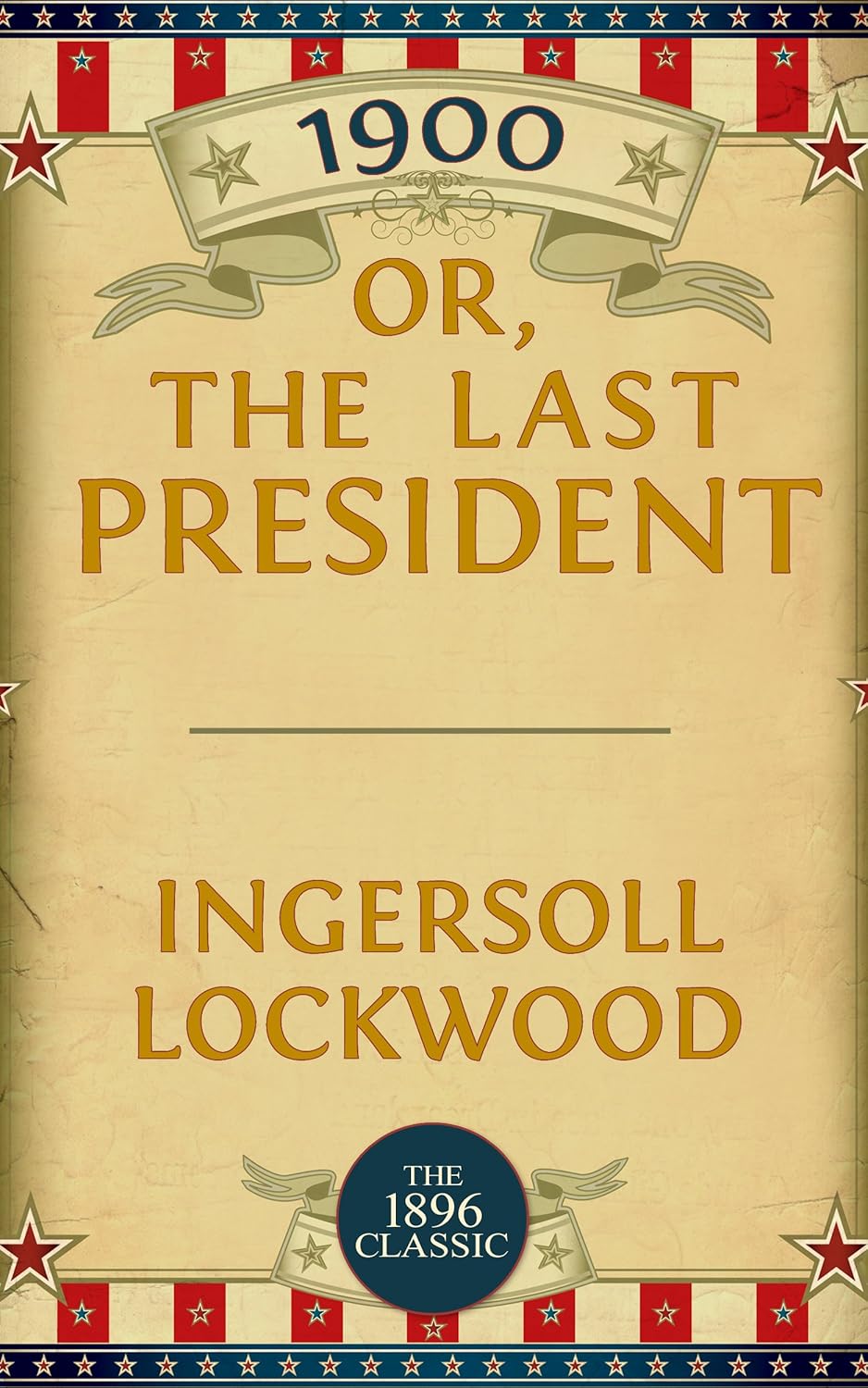
If You're Curious About These Questions...
You should listen to this audiobook
- Did you know that a political fable written in the 1890s predicted a populist revolution and a presidential victory that sounds eerily like modern headlines?
- Have you ever wondered how a radical shift in monetary policy and a promise to save the 'common people' could push a nation to the brink of a total regional divorce?
- Are you curious about the chilling sequence of events that leads to a shattered Capitol dome on a New Year's Eve that changed America forever?
Listen to 1900: or, The Last President — Free Audiobook
Key Takeaways from 1900: or, The Last President
- The Night New York Stopped Breathing
- Chicago’s Joy and the Maker of Kings
- Markets Stagger and Pilgrims Gather
- The Day Without Dawn and the First Decree
- Special Session: Silver Starts, Bread Is Served
1900: or, The Last President — Full Chapter Overview
Chapter 1: Recommendation
Chapter 2: The Night New York Stopped Breathing
Chapter 3: Chicago’s Joy and the Maker of Kings
Chapter 4: Markets Stagger and Pilgrims Gather
Chapter 5: The Day Without Dawn and the First Decree
Chapter 6: Special Session: Silver Starts, Bread Is Served
Chapter 7: No Rest Days, No Mercy
Chapter 8: The Silver Surge and Its Aftermath
Chapter 9: The Momentous Year ’99
Chapter 10: A Nation Thinks of Breaking Apart
Chapter 11: The House at Midnight
1900: or, The Last President Summary & Overview
Set just after an unexpected presidential victory, 1900: or, The Last President walks us through a raw, unsettled America. Crowds surge, Wall Street panics, and Congress races to rewrite the rules. Silver is crowned the people’s money, old elites are pushed aside, and a headstrong administration promises to save the “common people.” It all feels triumphant—until it doesn’t. As policies compound and currency falters, regional tensions flare, and the North contemplates a clean break. The climax arrives on a New Year’s Eve in Washington, with a shattered dome and a country that isn’t sure what it is anymore. This is a fast, gripping political fable that sounds eerily present, even though it’s set in a different century.
Who Should Listen to 1900: or, The Last President?
- Listeners who enjoy political satire and cautionary tales about democracy
- Students of American populism, monetary debates, and sectional history
- Fans of lean, speculative fiction that feels eerily relevant today
Books Similar to 1900: or, The Last President
Readers who enjoyed this also liked these titles.
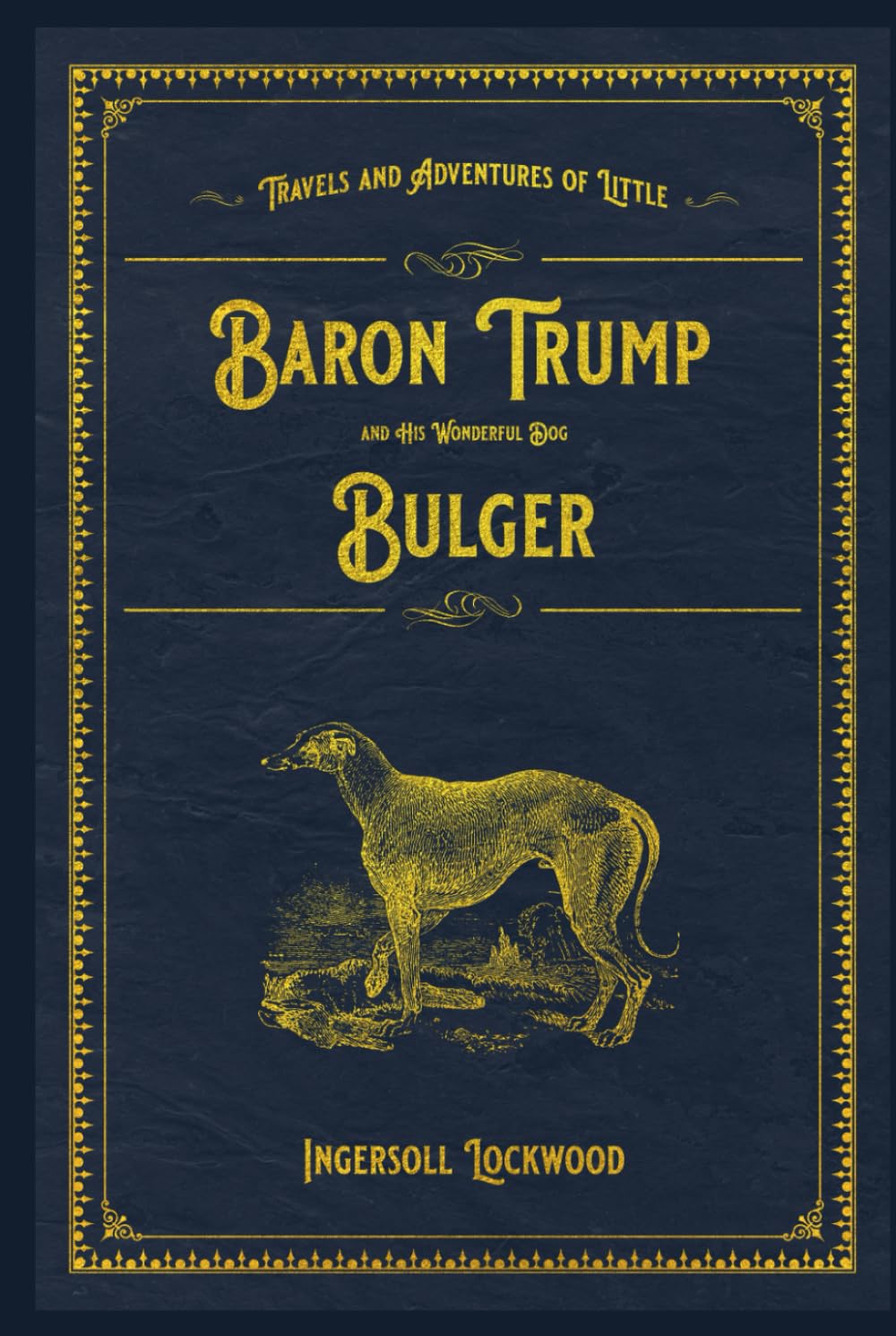
A fearless boy with a towering brain and his brilliant dog sail into whirlpools, slow-motion kingdoms, storm-torn islands, and courts that try dogs for witchcraft. This is an imaginative, high-spirited voyage that’s equal parts wonder, wit, and heart.
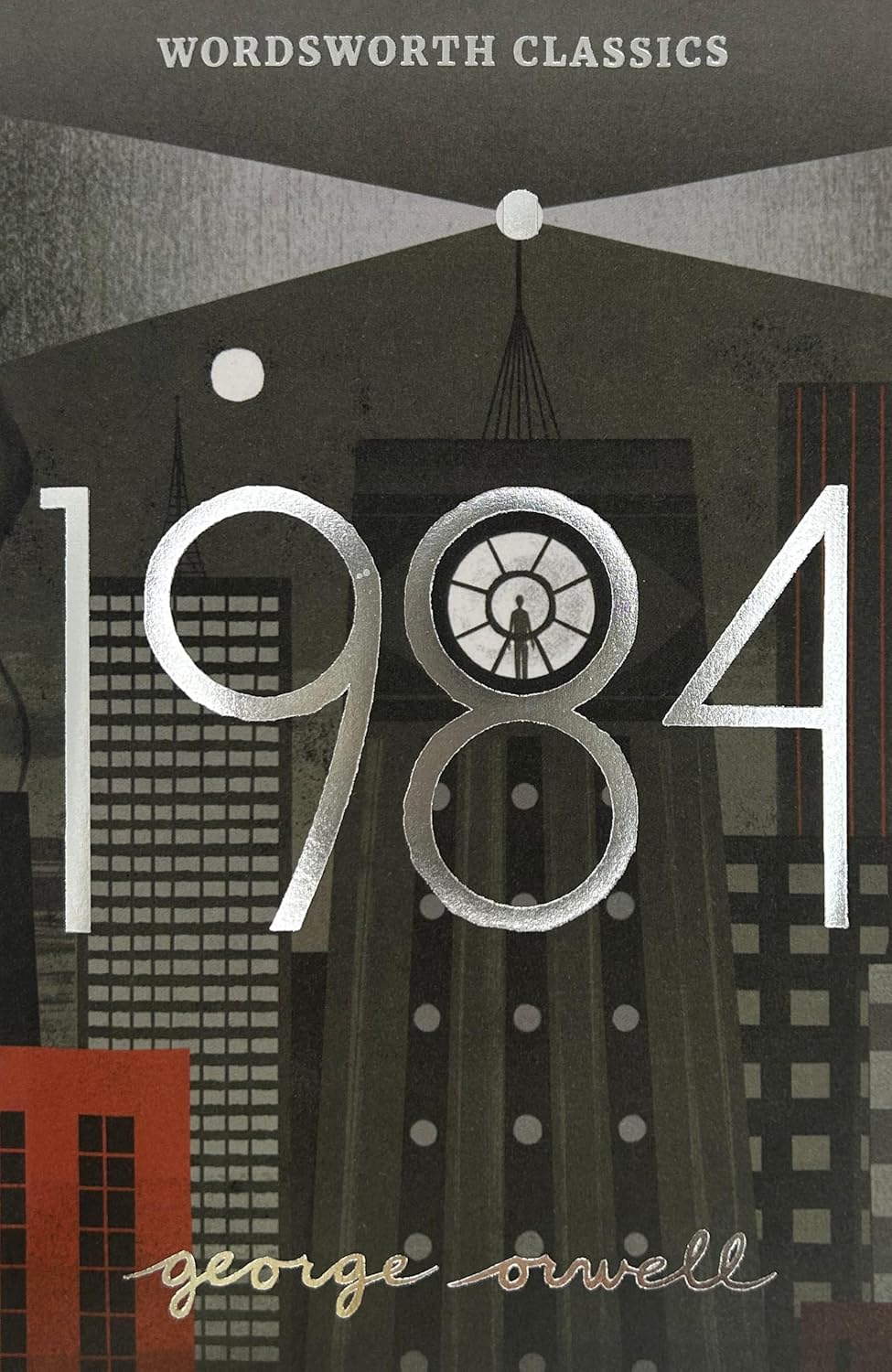
A weary clerk in a future London dares to write what he truly thinks. One secret diary leads him into love, rebellion, and the cold machinery of a state that edits reality itself.
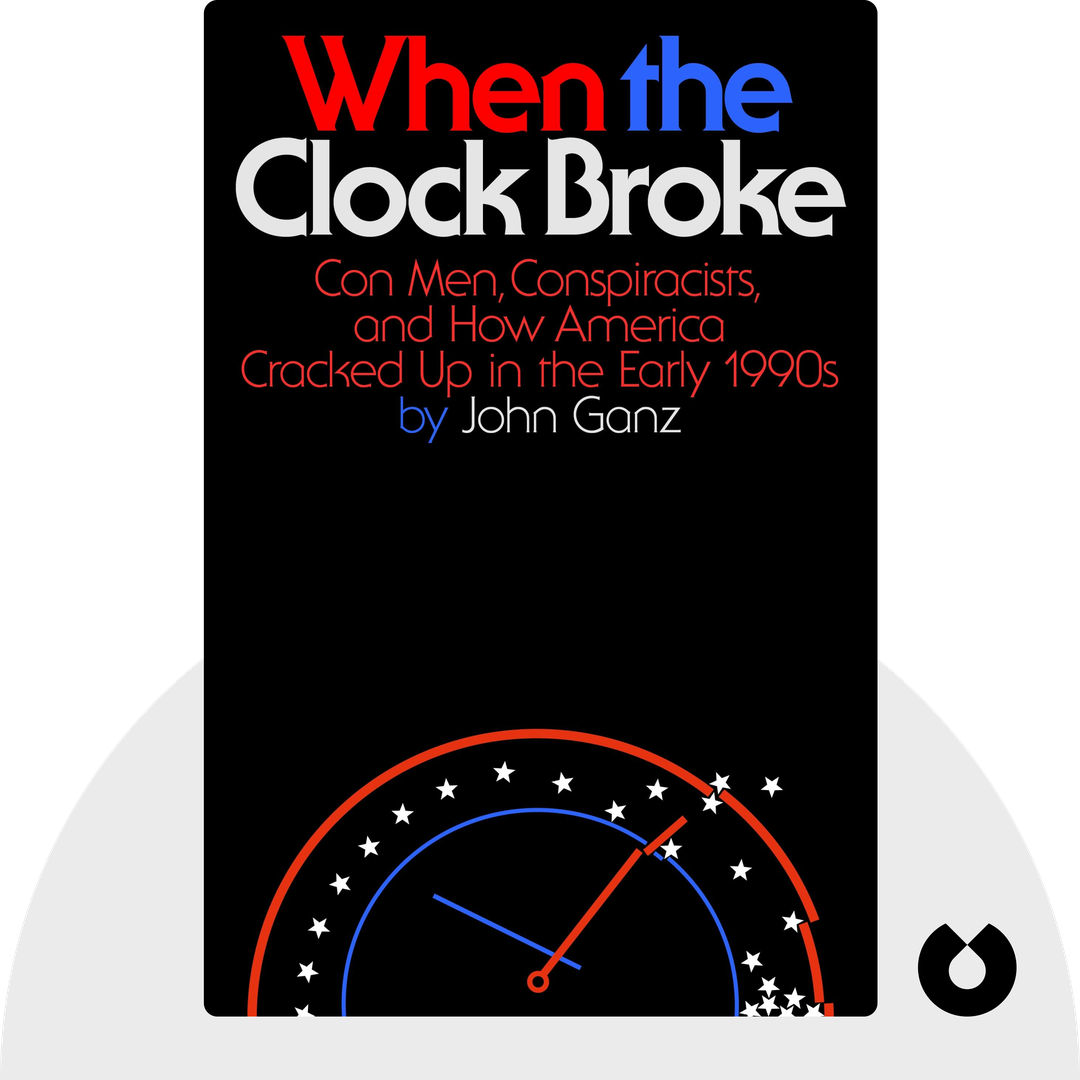
Con Men, Conspiracists, and How America Cracked Up in the Early 1990s
A Dystopian Classic on the Dangers of Totalitarianism