Theme Song
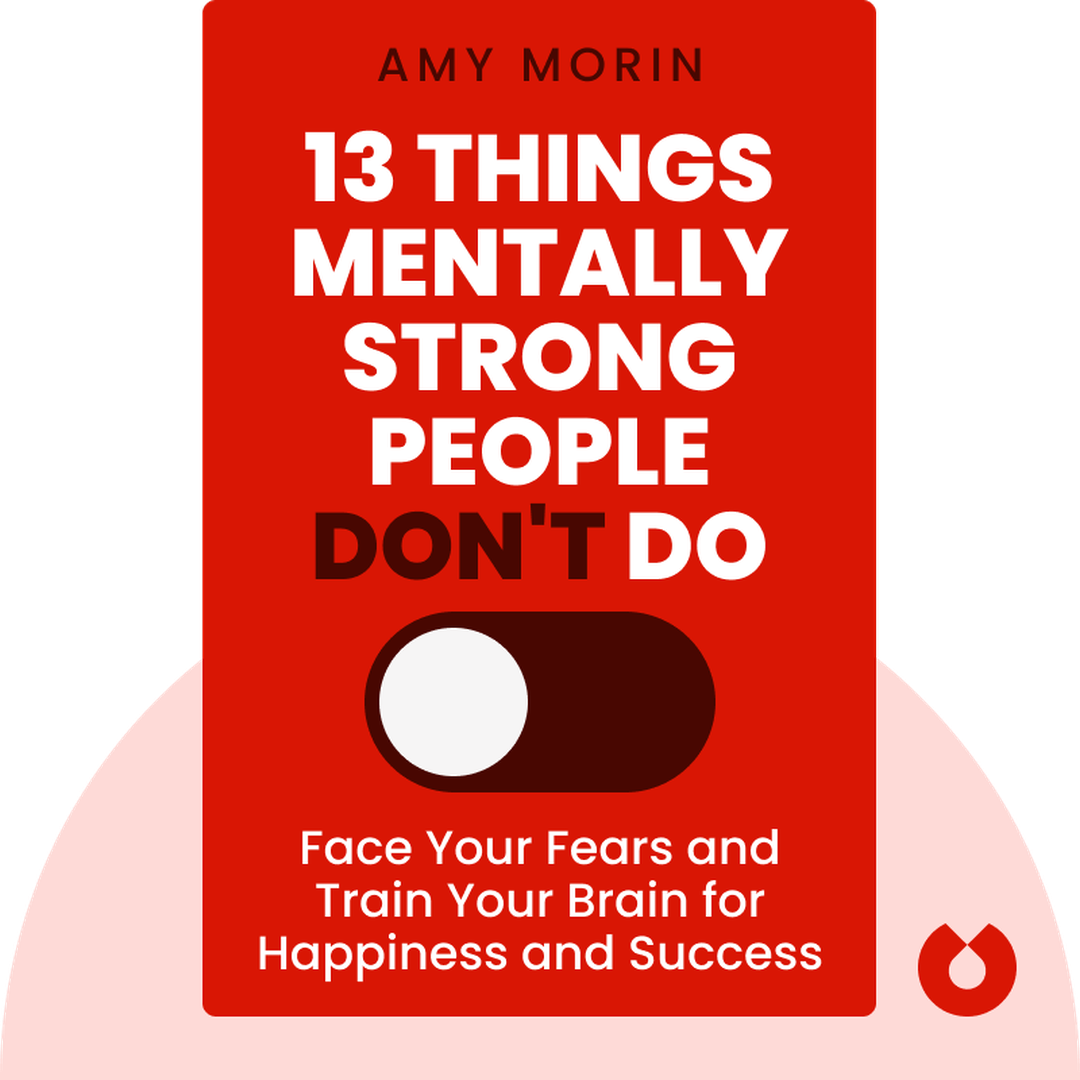
13 Things Mentally Strong People Don’t Do
Start ListeningDownload Try free on iPhoneScan to start in 5 seconds
Categories:
If You're Curious About These Questions...
You should listen to this audiobook
- Have you ever wondered why mental strength isn’t about being "tough" or emotionless, but actually involves a gentle shift in how you handle your quietest moments of self-pity?
- What if you could reclaim the energy you spend worrying about things you can't control and channel it into a practical habit that turns setbacks into stepping stones?
- Are you curious about the specific secret that allows certain people to bounce back from failure without the weight of envy or entitlement holding them back?
Listen to 13 Things Mentally Strong People Don’t Do — Free Audiobook
Loading player...
Key Takeaways from 13 Things Mentally Strong People Don’t Do
- Understand why true mental strength isn't about suppressing your emotions, but rather developing the inner stability to process feelings and choose helpful actions.
- Discover how mental strength functions similarly to physical fitness, acting as a trainable skill set you can develop through daily practice regardless of your natural disposition.
- Learn why optimism alone is insufficient for reaching your full potential, and how true resilience relies on taking constructive action even when positivity is out of reach.
- Recognize the hidden costs of self-pity, and understand how a 'poor me' mindset drains your energy, distracts from genuine healing, and damages your relationships.
- Master the practical habit of trading self-pity for grounded gratitude by implementing a simple evening routine of recording three small joys to gently shift your focus.
Learning Tools
Reinforce what you learned from 13 Things Mentally Strong People Don’t Do
Mind Map
13 Things Mentally Strong People Don T Do
Defining Mental Strength+
Managing Your Inner World+
Reclaiming Your Power+
Embracing Forward Momentum+
Building Resilience from Setbacks+
Adopting a Grounded Perspective+
The Path to Strength: Daily Practice+
Quiz — Test Your Understanding
Question 1 of 10
According to the book, what is the most accurate description of mental strength?
Question 2 of 10
The book suggests trading self-pity for gratitude. Why is self-pity considered harmful?
Question 3 of 10
When dealing with people or situations you can't control, what is the book's primary recommendation?
Question 4 of 10
The book distinguishes between people-pleasing and generosity. What is a key sign of people-pleasing?
Question 5 of 10
What is the book's perspective on taking risks?
Question 6 of 10
How does the book recommend you view mistakes?
Question 7 of 10
What does the book say about handling envy toward another person's success?
Question 8 of 10
What is the book's view on spending time alone?
Question 9 of 10
What healthier alternative does the book suggest to replace a sense of entitlement?
Question 10 of 10
According to the final chapter, what is the best way to apply the book's strategies?
13 Things Mentally Strong People Don’t Do — Full Chapter Overview
- 1Recommendation
- 2Mentally strong people swap self-pity for gratitude
- 3Mentally strong people keep their power and do forgive others
- 4Mentally strong people are ever-prepared to embrace change
- 5Mentally strong people don't get sidetracked by what they can't control
- 6Always aiming to please others doesn't work
- 7Mentally strong people are never afraid to take calculated risks
- 8Coming to terms with your past makes you stronger, but doing so takes truly consistent, concrete steps
- 9Mentally strong people don't repeat the same mistakes, and that demands self-discipline
- 10Nine
- 11Mentally strong people don't give up easily, and they practice self-compassion in failure
- 12Mentally strong people are comfortable being alone and use meditation to grow more resilient
- 13Many people carry an entitlement mindset, but strong people focus on giving, not taking instead
- 14Mentally strong people recognize that achievements take time and that progress isn't always immediately visible
13 Things Mentally Strong People Don’t Do Summary & Overview
This gentle audio guide explores what mental strength can look like in everyday life—not as toughness or emotional coldness, but as a practical ability to cope with difficult feelings, choose healthier thoughts, and act in ways that align with long-term values.
Across these chapters, the listener is invited to release self-pity, loosen the grip on control, welcome change at a sustainable pace, take calculated risks, learn from mistakes without envy, recover after failure, appreciate the value of solitude, and replace entitlement with patience, persistence, and purpose.
Who Should Listen to 13 Things Mentally Strong People Don’t Do?
- People who feel emotionally drained by setbacks, comparisons, or stress and want steadier inner ground
- Listeners who want supportive, practical habits for resilience—without harsh self-talk or “tough love”
- Anyone navigating change, disappointment, or a confidence dip and looking for calm, actionable next steps
Books Similar to 13 Things Mentally Strong People Don’t Do
Readers who enjoyed this also liked these titles.