Theme Song
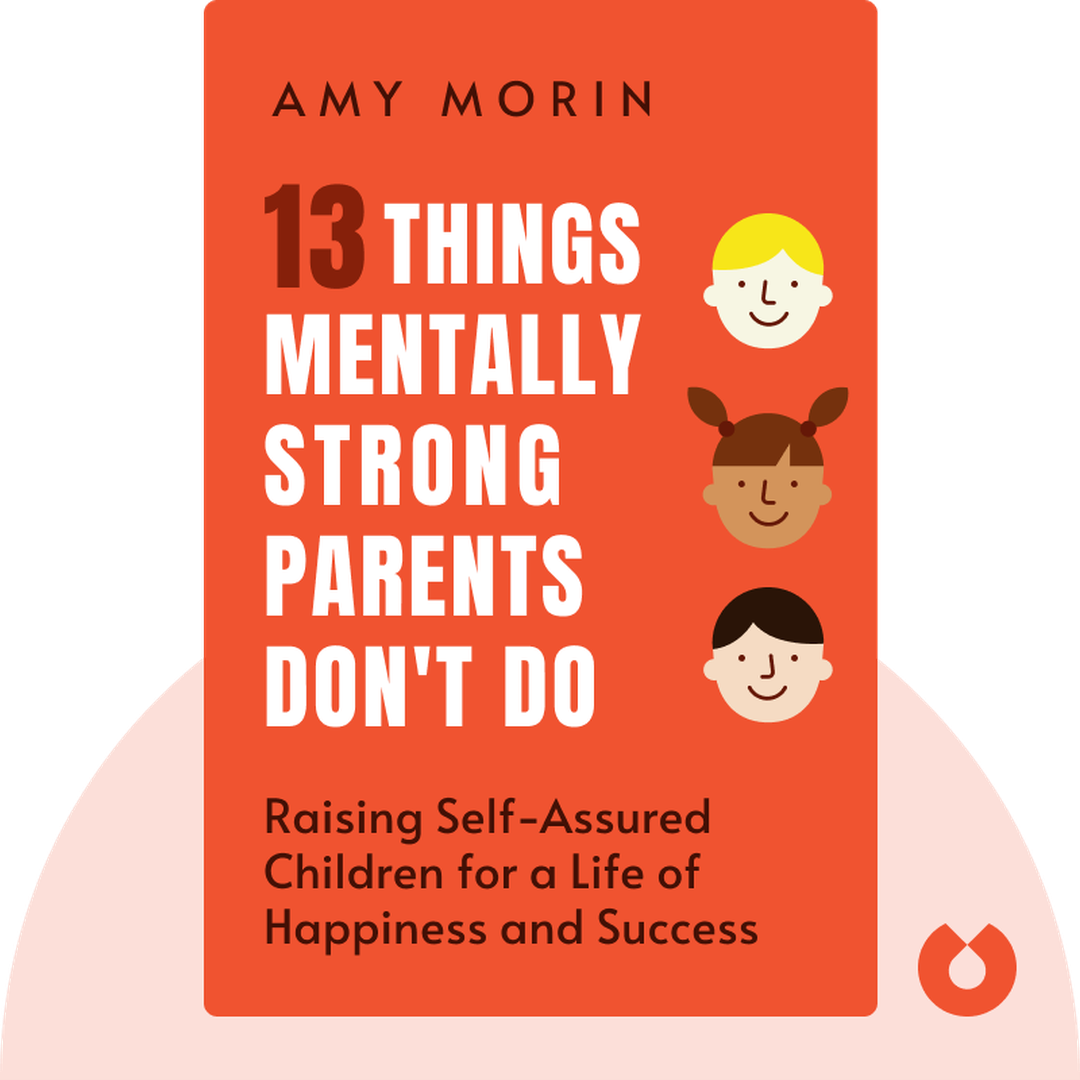
13 Things Mentally Strong Parents Don’t Do
Start ListeningDownload Try free on iPhoneScan to start in 5 seconds
Categories:
If You're Curious About These Questions...
You should listen to this audiobook
- What's the secret to raising kids who can truly thrive in today's fast-paced world?
- Are you curious about the surprising ways you might be holding your child back without realizing it?
- What if you could break free from common parenting myths and unlock your child's full potential?
Listen to 13 Things Mentally Strong Parents Don’t Do — Free Audiobook
Loading player...
Key Takeaways from 13 Things Mentally Strong Parents Don’t Do
- Discover why raising mentally strong children requires parents to first identify and change their own unhealthy behaviors and habits.
- Learn how to prevent learned helplessness and a victim mentality by holding your children accountable and letting them face the natural consequences of their actions.
- Master the technique of guiding your children away from negative 'BLUE' thoughts and toward proactive 'True' thoughts that encourage taking responsibility.
- Understand why parenting out of guilt or fear leads to overprotective habits, and see how tolerating short-term discomfort equips kids with essential life skills.
- Find out how setting strong boundaries prevents your child from developing a superiority complex, unchecked entitlement, and a diminished capacity for empathy.
Learning Tools
Reinforce what you learned from 13 Things Mentally Strong Parents Don’t Do
Mind Map
13 Things Mentally Strong Parents Don’t Do
Fostering Responsibility & Resilience+
Managing Parental Guilt & Fear+
Setting Boundaries & Humility+
Handling Mistakes & Perfectionism+
Navigating Pain & Emotions+
Healthy Discipline vs. Punishment+
Aligning Actions with Values+
Actionable Coping Strategies+
Quiz — Test Your Understanding
Question 1 of 10
According to Amy Morin, what must parents do first in order to successfully raise mentally strong children?
Question 2 of 10
What is a key characteristic of 'BLUE thoughts' that mentally strong parents teach their children to avoid?
Question 3 of 10
What is the primary danger of making parenting decisions guided by 'mommy guilt' or parental guilt?
Question 4 of 10
How should parents praise their children to prevent them from developing a superiority complex and a sense of entitlement?
Question 5 of 10
According to the text, what is a common long-term consequence of 'helicopter parenting' and micromanaging a child's mistakes?
Question 6 of 10
Why is it harmful to completely shelter a child from emotional pain, such as the reality of a divorce?
Question 7 of 10
When a child is experiencing difficult emotions like sadness or hurt, what is the best approach for a parent to take?
Question 8 of 10
What is the primary difference between healthy discipline and harsh punishment?
Question 9 of 10
In the book's example of Kyle, the straight-A student who was caught cheating, what did his parents realize during therapy?
Question 10 of 10
What is the purpose of the 'white bear' exercise mentioned in the actionable advice?
13 Things Mentally Strong Parents Don’t Do — Full Chapter Overview
- 1Recommendation
- 2Mentally strong parents encourage responsibility and perseverance instead of a victim mentality.
- 3Don’t parent through avoidance; teach your kids healthy ways to handle guilt and fear.
- 4Set firm boundaries so your child doesn’t believe the world revolves around her or that she has power over you.
- 5Don’t demand perfection or step in every time your child makes a mistake.
- 6Mentally strong parents don’t shield their children from pain.
- 7Don’t stop your children from experiencing the full range of human emotions.
- 8Mentally strong parents know the difference between discipline and punishment.
- 9Mentally strong parents ensure their actions align with their values.
- 10Final summary
13 Things Mentally Strong Parents Don’t Do Summary & Overview
13 Things Mentally Strong Parents Don’t Do (2017) teaches parents how not to hold kids back from reaching their true behavioral, emotional, and academic potential. Many of today’s parenting practices don’t prepare children for adulthood – but these blinks demonstrate how to raise children to have the mental strength necessary to handle our increasingly complicated world.
Who Should Listen to 13 Things Mentally Strong Parents Don’t Do?
- New parents who want to empower their kids from the get-go
- Parents in need of some midcourse parenting advice and solutions
- People who want to learn how parenting practices affect child psychology
Books Similar to 13 Things Mentally Strong Parents Don’t Do
Readers who enjoyed this also liked these titles.