Theme Song
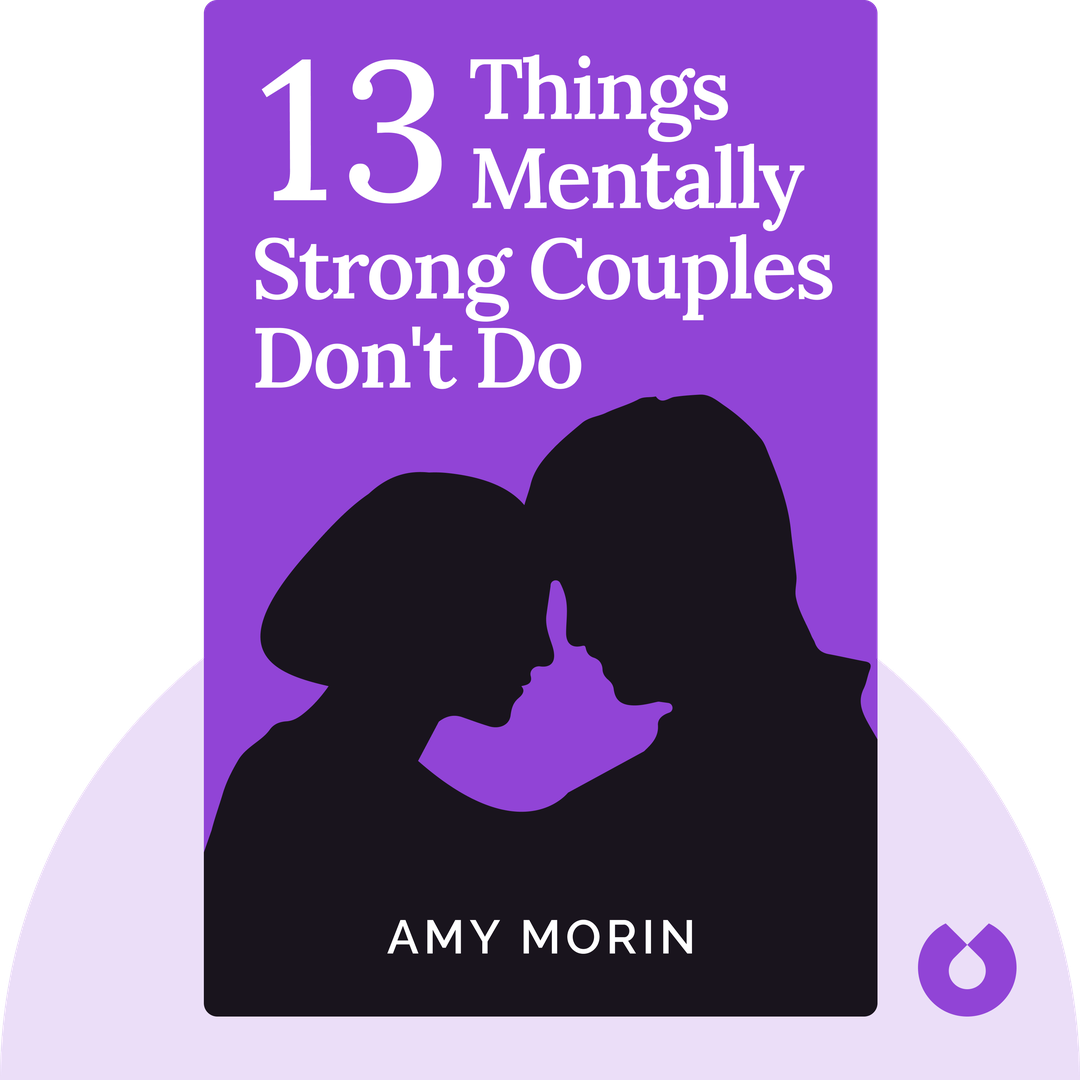
13 Things Mentally Strong Couples Don't Do
Start ListeningDownload Try free on iPhoneScan to start in 5 seconds
Categories:
If You're Curious About These Questions...
You should listen to this audiobook
- According to the 'dancing analogy' of relationships, how can focusing on your own personal growth and changing your own 'steps' automatically shift your partner's behavior, even if they aren't actively participating in therapy?
- When does a harmless desire for personal privacy cross the line into relationship-damaging secrecy, and what specific actions must be taken to rebuild a 'trust deficit' once a major secret is revealed?
- Once the euphoric rush of early relationship neurochemicals like dopamine and oxytocin inevitably fades, what actionable strategies can couples use to shift focus away from a partner's flaws and successfully rekindle their original appreciation?
Listen to 13 Things Mentally Strong Couples Don't Do — Free Audiobook
Loading player...
Key Takeaways from 13 Things Mentally Strong Couples Don't Do
- Learn how focusing on your own personal growth and mental resilience can naturally inspire your partner to change, much like adjusting your steps in a dance.
- Find out how eliminating counterproductive bad habits and establishing a safe environment for honest communication can revive your relationship, even after years of growing apart.
- Discover how to bridge emotional distance and rebuild intimacy by intentionally creating shared positive experiences rather than assigning blame for past disconnects.
- Master the art of constructive conflict resolution by using 'I feel' statements, taking ownership of your role, and validating your partner's perspective to inspire openness instead of defensiveness.
- Understand why hiding secrets to avoid conflict ultimately creates a massive trust deficit, and how taking full accountability is the essential first step to healing.
Learning Tools
Reinforce what you learned from 13 Things Mentally Strong Couples Don't Do
Mind Map
13 Things Mentally Strong Couples Don't Do
Personal Growth & Modeling+
Confronting Problems Constructively+
Honesty and Transparency+
Rekindling Appreciation+
Ongoing Maintenance+
Quiz — Test Your Understanding
Question 1 of 6
According to the text, what happens in a relationship when one partner focuses on their own personal growth and alters their behavior, even if the other partner isn't actively working on themselves?
Question 2 of 6
How did Maria successfully bridge the emotional gap that had developed between her and her husband Luis over the decades?
Question 3 of 6
When addressing difficult issues in a relationship, which communication strategy does the text recommend to avoid triggering defensiveness?
Question 4 of 6
What does the text suggest is the most important step AFTER a partner reveals a long-held secret?
Question 5 of 6
How should couples handle the concepts of secrecy and privacy, according to the text?
Question 6 of 6
Why do partners often start focusing on each other's flaws as the relationship progresses over the years?
13 Things Mentally Strong Couples Don't Do — Full Chapter Overview
- 1Recommendation
- 2Growing Together
- 3Facing Problems Directly
- 4The Full Truth
- 5Rekindling Appreciation
- 6Final summary
13 Things Mentally Strong Couples Don't Do Summary & Overview
13 Things Mentally Strong Couples Don’t Do (2023) identifies thirteen common pitfalls that couples should avoid in order to nurture healthier and more resilient relationships. It provides concrete advice for improving communication, managing conflict, and ultimately fostering stronger mental fortitude – both individually and as a team.
Who Should Listen to 13 Things Mentally Strong Couples Don't Do?
- Couples seeking to improve their communication and resolve conflicts
- People looking for advice on nurturing healthy, secure relationships
- Individuals interested in building mental resilience and fortitude
Books Similar to 13 Things Mentally Strong Couples Don't Do
Readers who enjoyed this also liked these titles.