If You're Curious About These Questions...
You should listen to this audiobook
- How can applying thought experiments like the 'Airport Test' and the 'History Test' prevent you from building a business that ultimately misaligns with your personal values and future goals?
- Why is relying on verbal encouragement from others a dangerous trap for new entrepreneurs, and what specific behaviors must you look for to truly validate your idea?
- How does the 'Customer P.L.A.N.' framework help you decode the hidden problems of your audience, and why is paying attention to their specific language and anecdotes more effective than market guesswork?
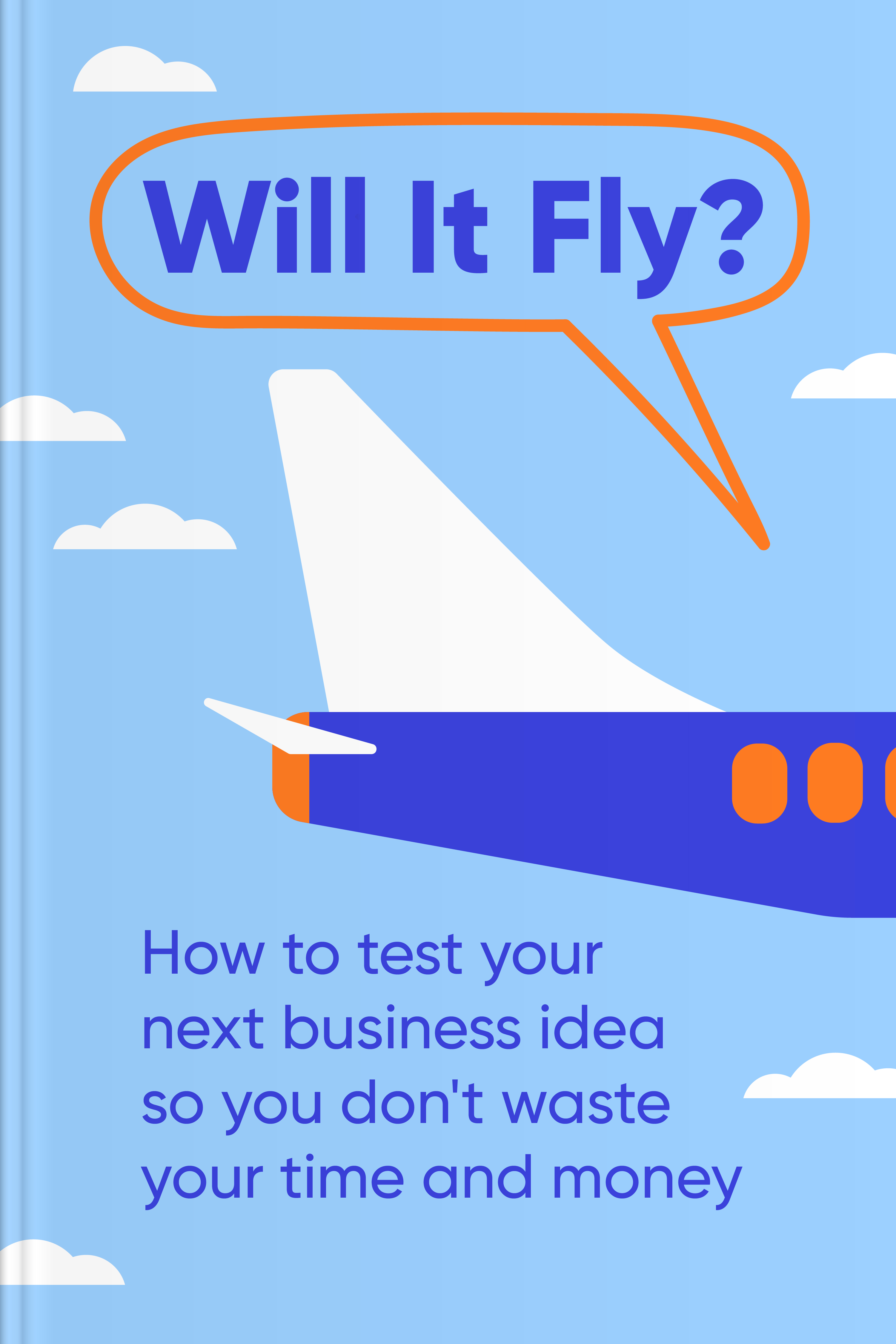
Listen to Will It Fly? — Free Audiobook
Key Takeaways from Will It Fly?
- Learn how to treat your weekly 168 hours as an investment bank, breaking daunting business dreams into achievable short-term milestones.
- Discover why clearly communicating what makes your idea unique—like a chef explaining their signature dish—cuts through the noise and speeds up decision-making.
- Understand the importance of establishing a deeply personal 'why' to serve as your steady beacon through the inevitable highs and lows of entrepreneurship.
- Master practical thought experiments like the Airport Test and the History Test to verify that your business aligns with your past strengths and future life goals.
- Find out how to navigate the fear of starting by validating your ideas with real-world signals rather than relying on blind confidence or simple encouragement.
Learning Tools
Reinforce what you learned from Will It Fly?
Mind Map
Quiz — Test Your Understanding
Will It Fly? — Full Chapter Overview
- 1Recommendation
- 2From Spark to Structure
- 3Finding the “Why” That Holds You Steady
- 4What Makes You Different, and When to Pause
- 5Planting the Seed Before the Logo
- 6Pre-Flight Checks for a Business Idea
- 7Validation: When Encouragement Isn’t Enough
- 8Liftoff, One Small Win at a Time
Will It Fly? Summary & Overview
This audio-friendly guide walks through the early stages of entrepreneurship in a calm, grounded way—starting with the emotional reality of taking a leap, then moving into purpose, self-awareness, idea refinement, and the practical work of finding real demand.
Across seven chapters, it offers supportive frameworks—like turning big goals into small milestones, using “tests” to check alignment, mapping your market, listening closely to customers, and validating with real behavior rather than hopeful opinions. The tone stays encouraging: thoughtful preparation can make the journey steadier, and pauses can be part of progress.
Who Should Listen to Will It Fly??
- People with a business idea who feel excited but overwhelmed, and want a gentle, structured way to begin
- Early-stage entrepreneurs who need clarity on purpose, audience, and how to validate before investing too much time or money
- Creators and small-business owners who want practical tools for messaging, market research, and sustainable momentum
Books Similar to Will It Fly?
Readers who enjoyed this also liked these titles.