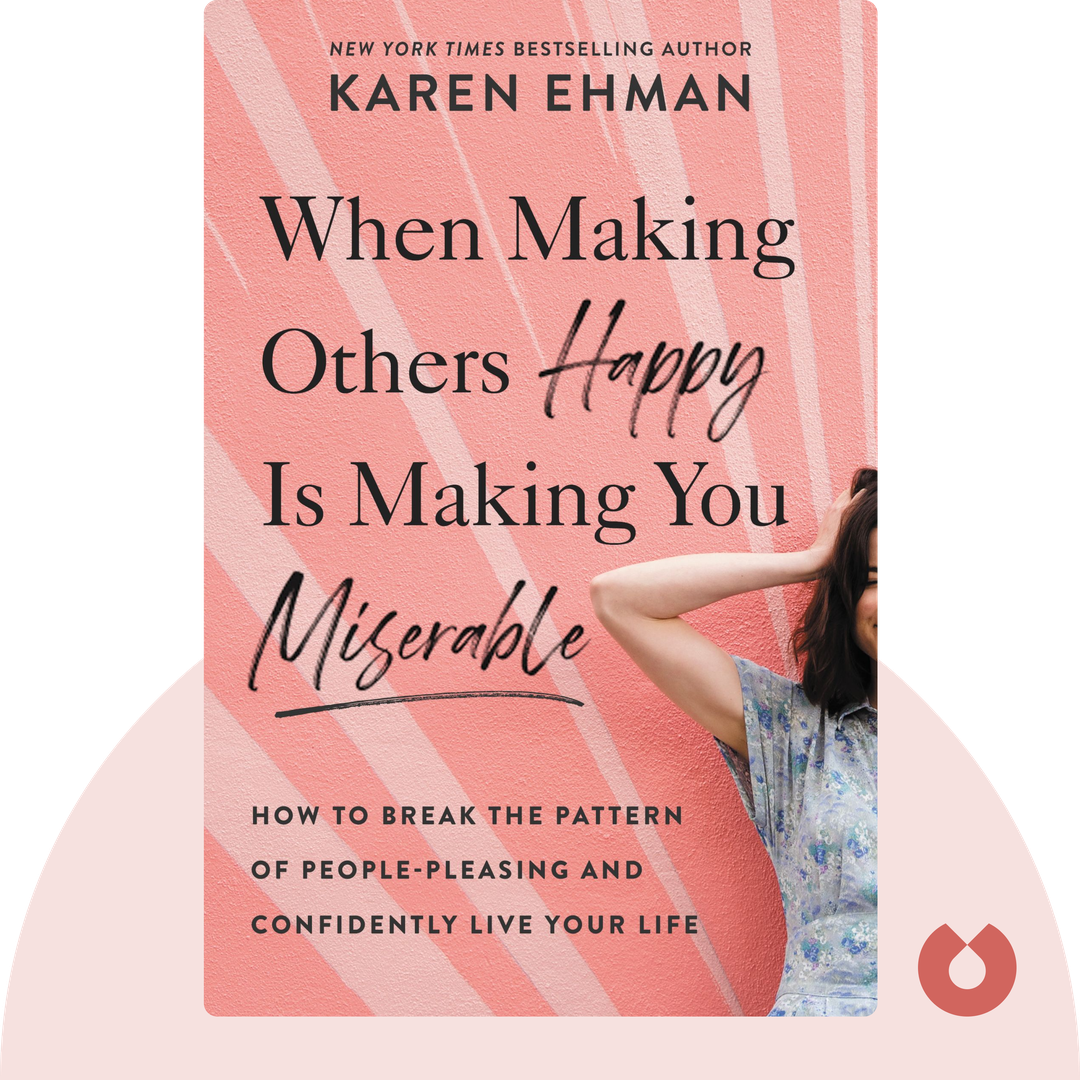
When Making Others Happy Is Making You Miserable
Start ListeningDownload Try free on iPhoneScan to start in 5 seconds
Categories:
If You're Curious About These Questions...
You should listen to this audiobook
- Have you ever wondered why your constant effort to keep everyone else happy is the very thing leaving you feeling empty and exhausted?
- What if you could master the art of saying 'no' without the paralyzing guilt of letting people down?
- Are you curious about the specific strategies that can transform you from a chronic people-pleaser into a confident self-advocate?
Listen to When Making Others Happy Is Making You Miserable — Cinematic Audio Edition
Loading player...
Key Takeaways from When Making Others Happy Is Making You Miserable
- Understand the hidden psychology behind people-pleasing, including how your brain's dopamine-driven feedback loop turns a simple desire to help into an exhausting cycle of overcommitment.
- Learn how to implement a 'summer of necessary and no' by temporarily rejecting non-essential requests to reclaim your time, identify true priorities, and break the habit of automatic accommodation.
- Discover why the fear of disapproval is the deep-rooted cause of people-pleasing, and how shifting your focus inward can stop a single critical voice from dictating your life choices.
- Identify the three main types of manipulative personalities—Pushers, Pouters, and Guilt Bombers—so you can recognize their high-pressure tactics and protect your emotional energy.
- Master the art of setting healthy boundaries by prioritizing your own 'oxygen mask' first, empowering you to help others from a place of genuine strength rather than fear or obligation.
Learning Tools
Reinforce what you learned from When Making Others Happy Is Making You Miserable
Mind Map
When Making Others Happy Is Making You Miserable
The Psychology of People-Pleasing+
Managing Manipulators+
Communicating with Honesty+
Setting Digital Boundaries+
Reclaiming Your Life+
Quiz — Test Your Understanding
Question 1 of 7
According to the text, what is the biological feedback loop that reinforces people-pleasing behavior?
Question 2 of 7
What deep emotional root frequently drives the desire to constantly please others, as illustrated by the story of the young journalist?
Question 3 of 7
When someone sighs heavily and makes comments designed to create an atmosphere of emotional discomfort, which type of manipulator are they acting as?
Question 4 of 7
What striking observation from her pastor helped Karen Ehman realize her people-pleasing habits were inauthentic?
Question 5 of 7
Which strategy did Karen Ehman use specifically to stop giving automatic responses and empty compliments, allowing her to offer clear, thoughtful feedback instead?
Question 6 of 7
What does the practice of the "digital sunset" entail?
Question 7 of 7
How did the executive in the book shift her approach to work and relationships after attending a leadership retreat?
When Making Others Happy Is Making You Miserable — Full Chapter Overview
- 1Recommendation
- 2Understanding the urge to please people
- 3The role of fear
- 4Managing manipulative people
- 5Why honesty matters
- 6Creating digital boundaries
- 7The strength of saying no
- 8Final summary
When Making Others Happy Is Making You Miserable Summary & Overview
When Making Others Happy Is Making You Miserable (2021) invites you into a transformative journey from exhausting people-pleasing to empowered self-advocacy. Through practical strategies and honest insights, you’ll discover how to break free from the crushing weight of others’ expectations and reclaim your authentic voice. Your path to setting healthy boundaries and living confidently on your own terms starts here.
Who Should Listen to When Making Others Happy Is Making You Miserable?
- People struggling with chronic people-pleasing and boundary issues
- Therapists and mental health professionals seeking client resources
- Individuals working on their personal growth and self-confidence
Books Similar to When Making Others Happy Is Making You Miserable
Readers who enjoyed this also liked these titles.