If You're Curious About These Questions...
You should listen to this audiobook
- What if the secret to lasting happiness isn't a higher salary, but a fundamental shift in how you value your minutes versus your dollars?
- Have you ever wondered why even the most successful people feel constantly "time poor," and what simple adjustments can reclaim hours of your week?
- Are you curious about the specific way of spending money that is scientifically proven to lower your stress levels and increase your life satisfaction?
Listen to Time Smart — Cinematic Audio Edition
Loading player...
Key Takeaways from Time Smart
- Discover why prioritizing 'time affluence' over financial wealth is the ultimate secret to achieving long-term happiness and personal well-being.
- Learn how to honestly audit your daily routine to identify and replace unrewarding habits, like mindless scrolling, with truly meaningful activities.
- Find out how scheduling intentional 'slack time' into your day can prevent over-commitment, reduce stress, and create space for spontaneous joy.
- Understand the crucial difference between 'clock-time' and 'event-time' mindsets so you can plan more effectively and optimize your natural schedule.
- Master the use of 'default actions,' such as silencing phone notifications, to protect your focus and align your daily decisions with your core values.
Learning Tools
Reinforce what you learned from Time Smart
Mind Map
Time Smart
Core Concept: Time Affluence+
The Mindset Shift+
Actionable Strategies+
Ultimate Outcomes+
Quiz — Test Your Understanding
Question 1 of 5
What is the central concept of 'time affluence' as described in the text?
Question 2 of 5
According to the text, why do people naturally tend to prioritize money over time?
Question 3 of 5
What is the primary benefit of scheduling 'slack time' in your calendar?
Question 4 of 5
How does the text distinguish between a 'clock-time' person and an 'event-time' person?
Question 5 of 5
What is the ultimate realization about achieving time affluence mentioned in the final summary?
Time Smart — Full Chapter Overview
- 1Recommendation
- 2The Hidden Price of a Busy Life
- 3Taylor, Morgan, and the Time Poverty Epidemic
- 4Six Traps That Steal the Day
- 5Finding Time Before Buying Time
- 6Funding Time and the Math of Happiness
- 7Reframing the Hours You Cannot Escape
- 8The Habit of Saying No to the Wrong Things
- 9The Long View of Jobs, Homes, and Commitments
- 10Building a Time-Smart World
Time Smart Summary & Overview
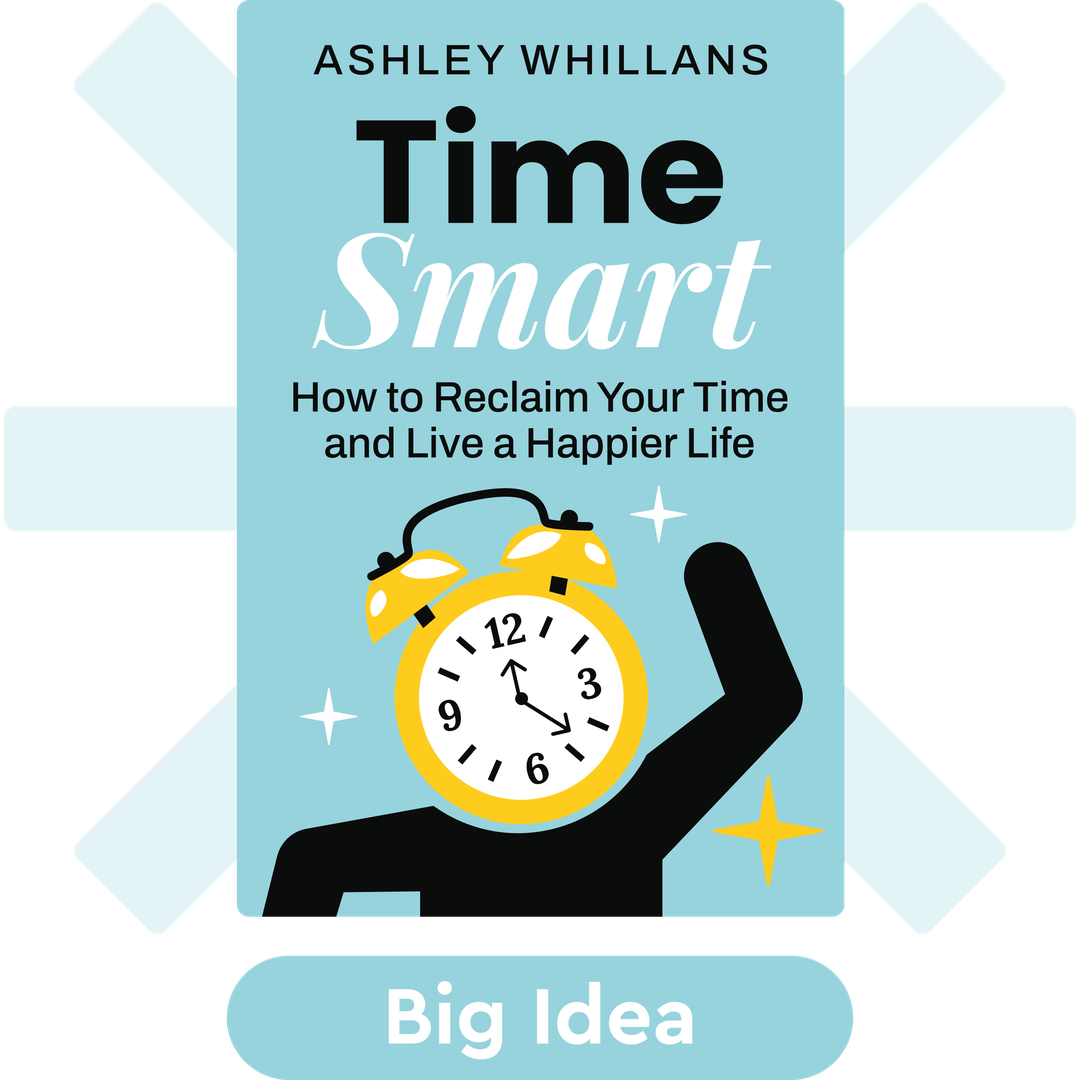
Time Smart (2020) is a guide for shifting our emphasis from chasing money to valuing time, asserting that prioritizing time over money leads to increased happiness and personal well-being.
Who Should Listen to Time Smart?
- Busy professionals
- Those seeking better work-life balance
- Life optimization enthusiasts
Books Similar to Time Smart
Readers who enjoyed this also liked these titles.