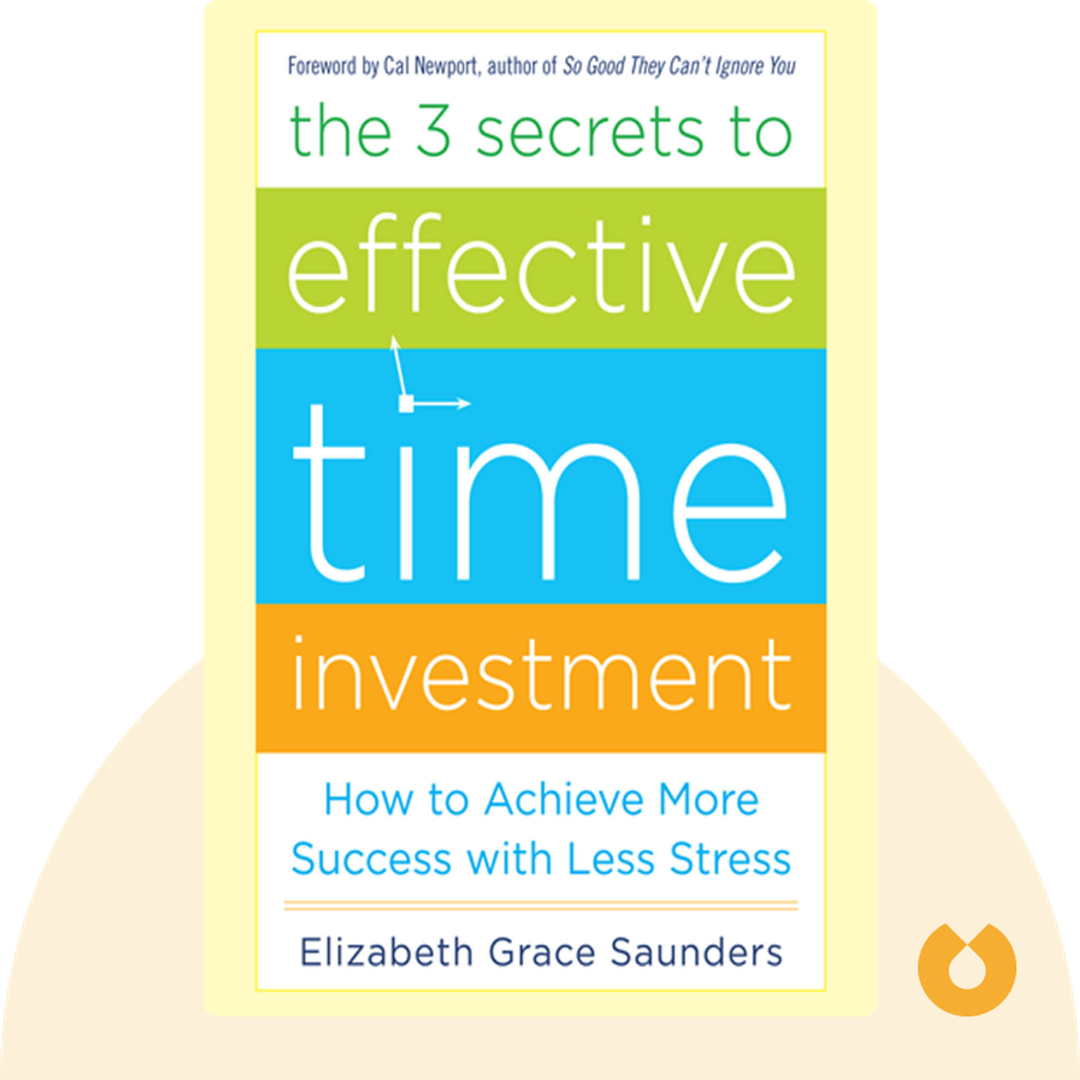
The 3 Secrets to Effective Time Investment
Start ListeningDownload Try free on iPhoneScan to start in 5 seconds
Categories:
If You're Curious About These Questions...
You should listen to this audiobook
- Have you ever wondered why your most ambitious schedules often fall apart, leaving you feeling overwhelmed and behind?
- What if the secret to mastering your productivity isn't a better calendar, but learning how to manage the hidden emotions that derail your plans?
- Are you curious about how to transition from a life of constant reaction to one where you intentionally design every day around what truly matters?
Listen to The 3 Secrets to Effective Time Investment — Free Audiobook
Loading player...
Key Takeaways from The 3 Secrets to Effective Time Investment
- Define your personal vision of success to create action-based priorities that protect your time just as fiercely as you protect your money.
- Understand how unacknowledged emotions like fear, guilt, and shame can secretly sabotage your schedule, and learn how to turn them into motivating allies.
- Overcome the cycle of people-pleasing and overcommitment by establishing clear boundaries and taking responsibility only for what truly matters to you.
- Master the concept of 'realistic optimism' by combining positive visualizations with the personal responsibility and hard work required to actually achieve your goals.
- Discover how to quiet your critical inner voice and reprogram your mindset using daily gratitude, meditation, and positive affirmations.
Learning Tools
Reinforce what you learned from The 3 Secrets to Effective Time Investment
Mind Map
The 3 Secrets to Effective Time Investment
Core Philosophy+
Secret 1: Action-Based Priorities+
Manage Derailing Emotions+
Cultivate a Positive Mindset+
Secret 2: Realistic Expectations+
Secret 3: Strengthen Simple Routines+
Seek Accountability+
Quiz — Test Your Understanding
Question 1 of 9
What is the first secret to effective time investment according to the book?
Question 2 of 9
How does the author suggest you identify your true priorities?
Question 3 of 9
How do unacknowledged emotions like guilt and shame typically affect our time management?
Question 4 of 9
What did the weight loss study mentioned in the text reveal about 'realistic optimists'?
Question 5 of 9
What is often the root cause of being a 'time optimist' who sets unrealistic expectations?
Question 6 of 9
Why does the author argue that routines are essential for good time-planning?
Question 7 of 9
When creating a new routine, what should you do during the second step (visualizing the routine)?
Question 8 of 9
Why does the author recommend finding an accountability partner?
Question 9 of 9
What is the recommended strategy for 'jumpstarting' a new routine?
The 3 Secrets to Effective Time Investment — Full Chapter Overview
- 1Recommendation
- 2The first secret to investing time effectively is setting action-based priorities.
- 3Strong emotions can derail even the best-laid plans – unless you recognize them.
- 4A positive mindset is essential for achieving your goals.
- 5The second secret to effective time investment is setting realistic expectations about what you can accomplish.
- 6The third secret to effective time investment is building simple routines.
- 7Create your own effective routines with four easy steps.
- 8To succeed, ask for help in reaching your goals.
- 9Final summary
The 3 Secrets to Effective Time Investment Summary & Overview
The 3 Secrets to Effective Time Investment (2013) is a practical guide to living a life by design instead of impulse. It provides step-by-step strategies for planning your days around the commitments that really matter to you, setting up effective routines, and finding people to help you stay on track. It also reveals the importance of dealing with emotional baggage like guilt and shame, which can derail even the best-laid plans.
Who Should Listen to The 3 Secrets to Effective Time Investment?
- Freelancers desperate for more structure in their days
- Workaholics who need help learning to switch off
- Over-optimistic schedulers who try to cram too much in
Books Similar to The 3 Secrets to Effective Time Investment
Readers who enjoyed this also liked these titles.