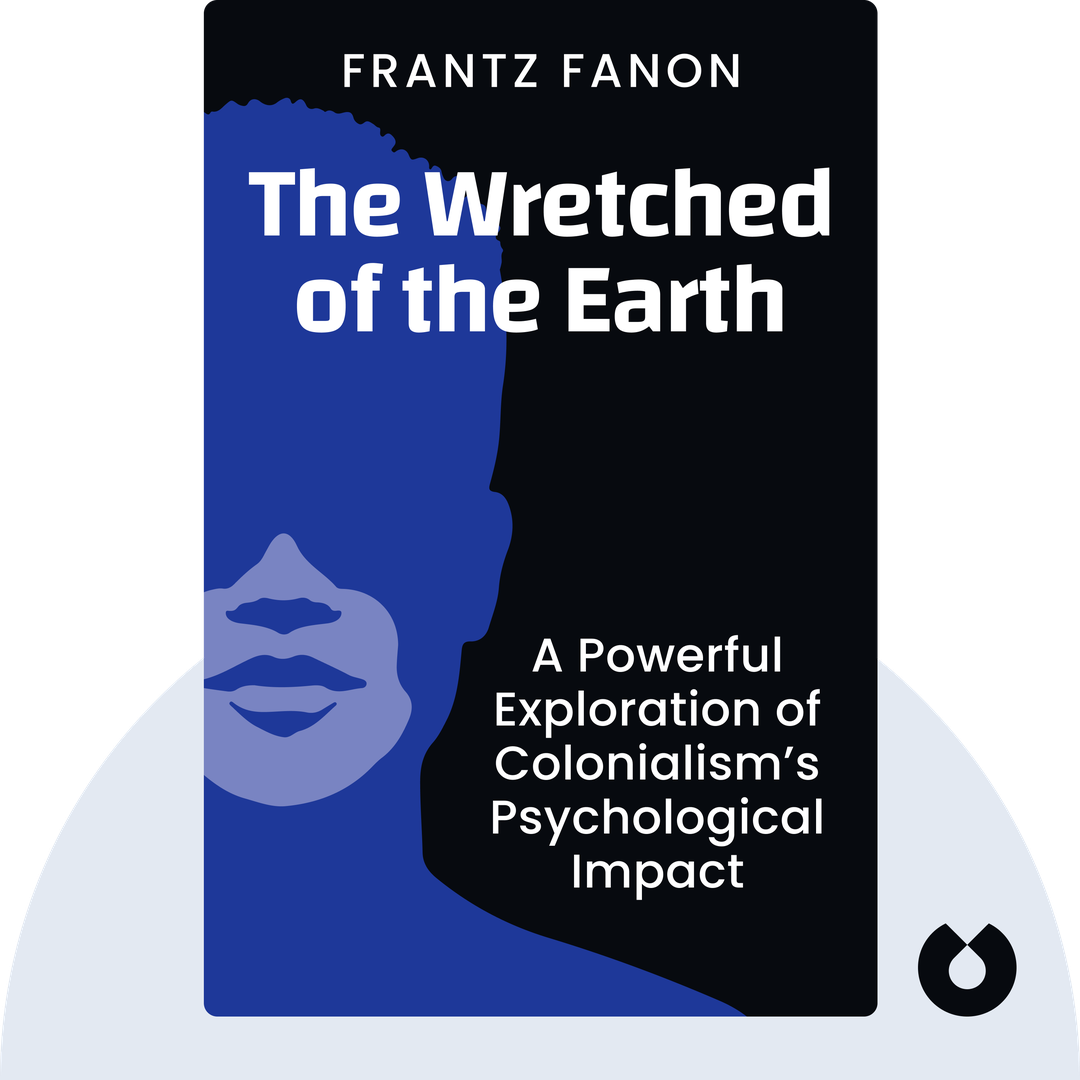
The Wretched of the Earth
Start ListeningDownload Try free on iPhoneScan to start in 5 seconds
Categories:
If You're Curious About These Questions...
You should listen to this audiobook
- Did you know that for those living under systemic oppression, resistance is often seen as a vital tool for psychological healing and reclaiming one's humanity?
- Have you ever wondered why the most marginalized members of society are often the only ones capable of leading a truly radical and successful revolution?
- What if the greatest obstacle to lasting freedom isn't the old regime, but the deep-seated psychological scars left behind by decades of colonial rule?
Listen to The Wretched of the Earth — Cinematic Audio Edition
Loading player...
Key Takeaways from The Wretched of the Earth
- Understand the profound psychological toll of colonialism and how colonizers use cultural violence to erase Indigenous identities.
- Discover why revolutionary violence was viewed not just as a choice, but as an imperative tool for the colonized to reclaim their humanity and dismantle brutal regimes.
- Learn how the raw power of spontaneous uprisings must be channeled into disciplined, organized political movements to prevent internal division and achieve lasting liberation.
- Recognize why achieving nominal political independence is insufficient if a nation falls prey to neocolonialism and fails to secure true economic sovereignty.
- Explore the essential steps for post-colonial recovery, including cultural rehabilitation, psychological healing, and the building of a genuine national consciousness.
Learning Tools
Reinforce what you learned from The Wretched of the Earth
Mind Map
The Wretched of the Earth
The Necessity of Violence+
Spontaneous Violence+
Neocolonialism & Independence+
Rebuilding National Culture+
Psychological Trauma+
Quiz — Test Your Understanding
Question 1 of 6
Why is revolutionary violence considered inevitable and necessary against a colonial regime, according to the text?
Question 2 of 6
What is identified as the primary limitation of spontaneous violent uprisings?
Question 3 of 6
How does neocolonialism primarily maintain control over newly independent nations?
Question 4 of 6
According to the text, what is the most effective approach to reclaiming and rebuilding national culture after colonialism?
Question 5 of 6
What is described as the most dangerous outcome of the persistent mental violence inflicted by colonialism?
Question 6 of 6
What ultimate goal drives the colonized masses, differentiating them from those simply seeking reform?
The Wretched of the Earth — Full Chapter Overview
- 1Recommendation
- 2Is violence needed?
- 3The strength and weakness of spontaneous violence
- 4From colonialism toward neocolonialism
- 5Restoring and rebuilding culture
- 6The unseen wounds of colonial oppression
The Wretched of the Earth Summary & Overview
The Wretched of the Earth (2021) is a seminal work examining the psychological effects of colonialism and advocating for revolutionary struggle against racist and colonial oppression. It has profoundly influenced civil rights, anti-colonial, Black consciousness, and psychiatric reform movements globally since its publication in 1961.
Who Should Listen to The Wretched of the Earth?
- Activists and organizers
- Students and scholars
- People who care about justice
Books Similar to The Wretched of the Earth
Readers who enjoyed this also liked these titles.