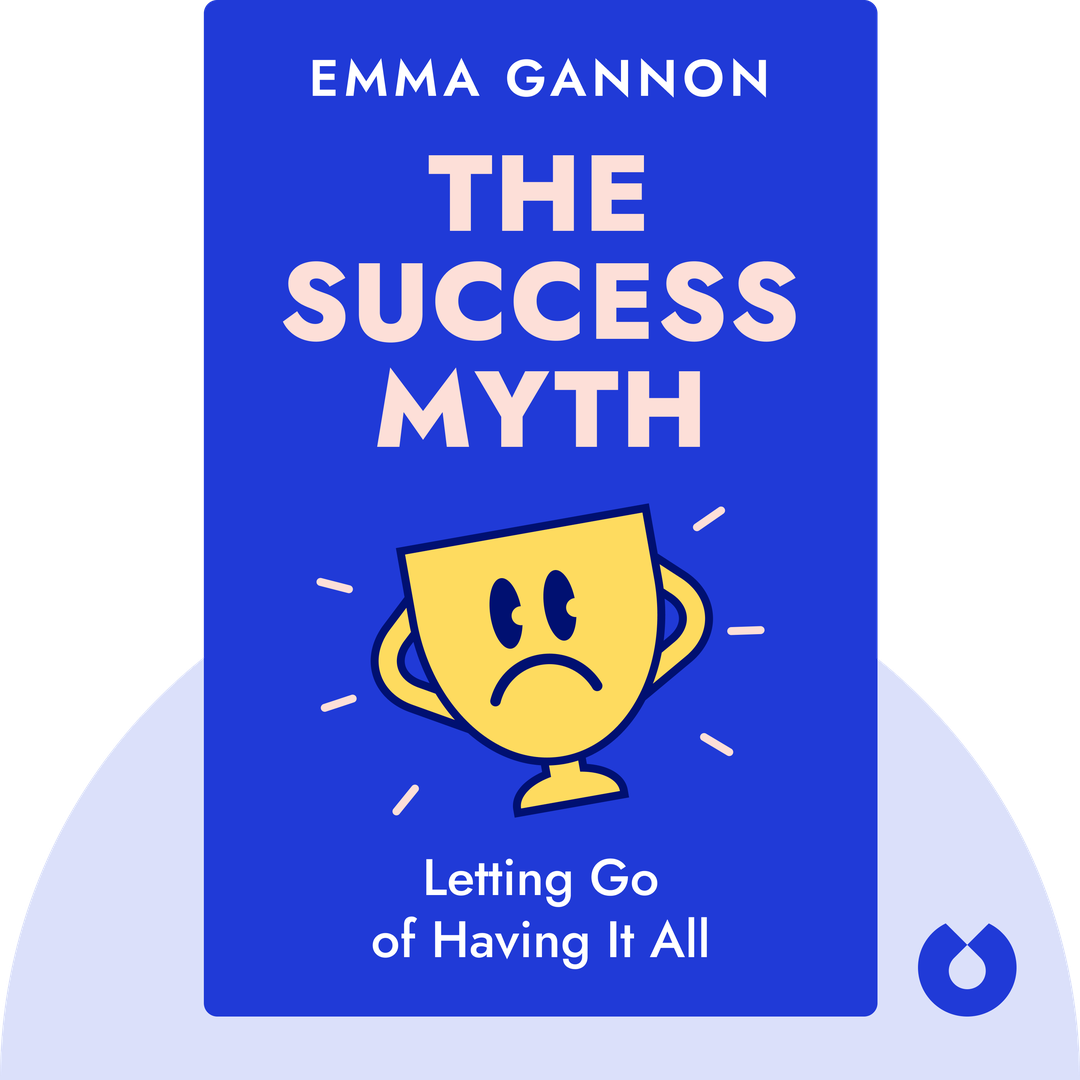
If You're Curious About These Questions...
You should listen to this audiobook
- Have you ever wondered why checking off every professional milestone often leads to a sense of emptiness rather than the happiness you were promised?
- What if you could trade the exhausting pursuit of 'more' for a personalized definition of success that actually fuels your soul?
- Are you curious about which common beliefs about achievement are actually holding you back from a truly fulfilling life?
Listen to The Success Myth — Free Audiobook
Loading player...
Key Takeaways from The Success Myth
- Discover why the traditional one-size-fits-all formula for success—fame, fortune, and perpetual productivity—actually leads to burnout, and how to redefine achievement on your own terms.
- Understand why striving for constant happiness is an unrealistic societal expectation, and learn to embrace the full spectrum of human emotions for a richer, more authentic life.
- Master the practical technique of reframing negative thoughts to shift your perspective on difficult situations and prevent minor setbacks from overshadowing your day.
- Learn how to combat the toxic myth of productivity by setting healthy boundaries, valuing downtime, and questioning the underlying emotional needs driving your constant hustle.
- Recognize the modern pursuit of fame and external approval as an 'ego addiction' that distracts from meaningful inner growth and ultimately leaves you unfulfilled.
Learning Tools
Reinforce what you learned from The Success Myth
Mind Map
The Success Myth
Core Premise+
The Myth of Happiness+
The Myth of Productivity+
The Myth of Celebrity+
The Myth of Money+
The Myth of Arrival+
Quiz — Test Your Understanding
Question 1 of 7
What does the book suggest is a practical and healthier alternative to striving for constant happiness?
Question 2 of 7
According to the text, how has modern technology primarily affected our work lives and productivity?
Question 3 of 7
How has the primary motivation for seeking fame changed over time, according to the book?
Question 4 of 7
Based on the 2010 study by Kahneman and Deaton mentioned in the text, what is the relationship between money and happiness?
Question 5 of 7
What societal concept does the book mention as a potential way to break the cycle of endless wealth accumulation and reduce societal stress?
Question 6 of 7
What is the 'arrival fallacy' described in the book?
Question 7 of 7
According to the book's final summary, where is true fulfillment and success actually found?
The Success Myth — Full Chapter Overview
- 1Recommendation
- 2The myth behind happiness
- 3The myth behind productivity
- 4The myth around celebrity
- 5The myth around money
- 6The myth behind arrival
The Success Myth Summary & Overview
The Success Myth (2023) challenges the conventional metrics of achievement and exposes how they often lead to a sense of dissatisfaction and emptiness. It proposes a new framework for viewing success, focusing on personal fulfillment rather than societal accolades. Through a mix of anecdotal evidence and practical advice, it invites readers to redefine success to align more closely with their own values and aspirations.
Who Should Listen to The Success Myth?
- Young professionals seeking career fulfillment
- Burned-out individuals reassessing life priorities
- Career coaches and mentors guiding others
Books Similar to The Success Myth
Readers who enjoyed this also liked these titles.