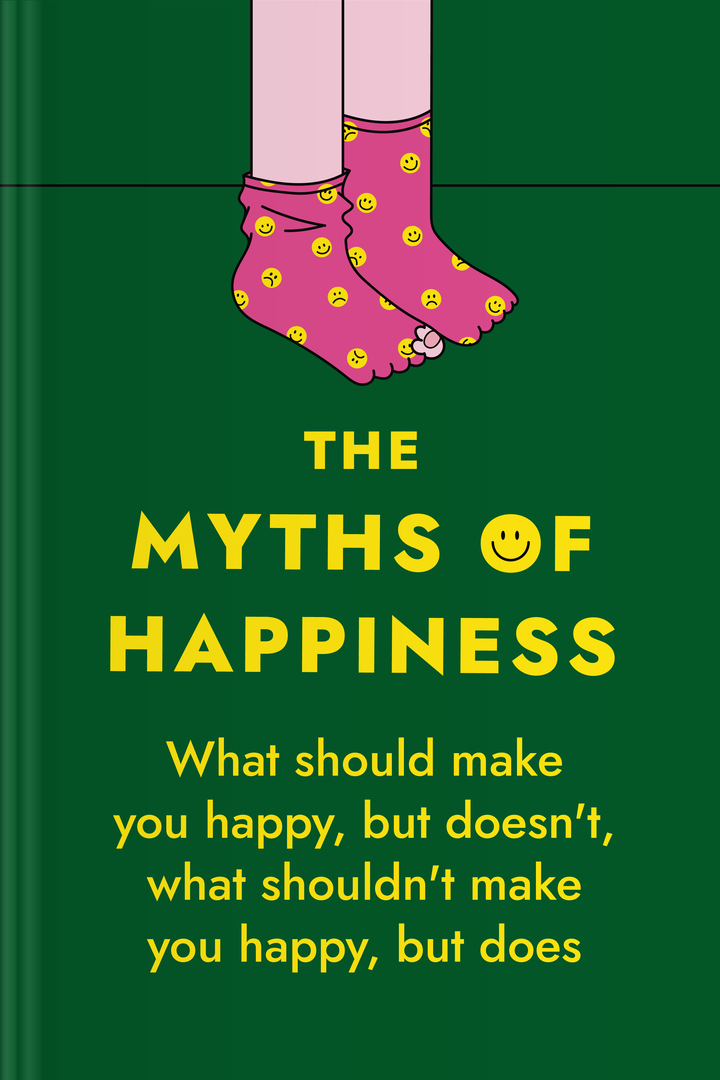
The Myths of Happiness
Start ListeningDownload Try free on iPhoneScan to start in 5 seconds
Categories:
If You're Curious About These Questions...
You should listen to this audiobook
- Have you ever wondered why achieving major life milestones—like getting married or landing a promotion—doesn’t always result in the lasting joy you were promised?
- Did you know that the secret to revitalizing a bored relationship or a stagnant career isn't necessarily making a big change, but understanding how our minds adapt to happiness?
- What if you could stop waiting for 'perfect' circumstances and learn how to find authentic fulfillment regardless of your current life situation?
Listen to The Myths of Happiness — Free Audiobook
Loading player...
Key Takeaways from The Myths of Happiness
- Understand why happiness isn't a finish line tied to a perfect life, but rather a continuous result of how you interpret events and consciously choose your beliefs.
- Discover how society's rigid checklist for success quietly dictates your expectations, and learn to find joy by measuring your life against your own standards instead of an outside script.
- Learn how coping with adversity can cultivate deep resilience, often leading to a higher level of happiness than experienced by those who have never faced hardship at all.
- Realize why the honeymoon phase inevitably fades due to hedonic adaptation, and embrace the natural, healthy shift from passionate intensity to companionate connection.
- Master practical strategies to counteract taking your relationship for granted, such as practicing weekly appreciation and introducing novelty into your routine to reignite emotional bonding.
Learning Tools
Reinforce what you learned from The Myths of Happiness
Mind Map
The Myths of Happiness
Core Concepts+
Love & Relationships+
Career & Wealth+
Adversity & Regret+
Quiz — Test Your Understanding
Question 1 of 10
According to the text, why is it a mistake to base our pursuit of happiness on achieving socially prescribed milestones?
Question 2 of 10
What does a 2005 study reveal about the happiness levels of the average newlywed?
Question 3 of 10
Why is it considered a positive thing that 'passionate love' has a limited life span?
Question 4 of 10
Which of the following is recommended as a strategy to prevent hedonic adaptation from dulling a long-term relationship?
Question 5 of 10
In a 2000 study, why did some participants considering divorce have a more moderate view of the pain it would cause?
Question 6 of 10
What is a common trap that leads to job dissatisfaction, especially in the age of social media?
Question 7 of 10
According to the text, which financial action is likely to create the most significant increase in happiness?
Question 8 of 10
How does the 'Matthew effect' apply to someone trying to stay positive after receiving a difficult medical diagnosis?
Question 9 of 10
What does the story of the two athletes, Lucy and Alejandro, demonstrate about handling regrets?
Question 10 of 10
Based on a 2008 study, what is an effective way for affluent people to increase their happiness with their money?
The Myths of Happiness — Full Chapter Overview
- 1Recommendation
- 2When Society Writes the Happiness Script
- 3The Marriage Myth: “The Right Person Will Fix Everything”
- 4When Marriage Hurts: Repair, Perspective, and Resilience
- 5Money, Comfort, and the Limits of More
- 6The Goal Trap: Success That Fades Too Fast
- 7Facing Scary Health News Without Losing Your Life to It
- 8Aging and the Quiet Rise of Contentment
- 9Choosing Your Own Definition of a Good Life
The Myths of Happiness Summary & Overview
Many people are taught that happiness follows a simple formula: find the right partner, earn more money, reach big goals, stay healthy, and stay young. And when real life doesn’t match that picture, it’s easy to assume something has gone wrong.
In this narration, Sonja Lyubomirsky’s ideas are shared in a calm, supportive way. Chapter by chapter, the script explores the “myths of happiness” that can quietly shape expectations—and offers gentle, realistic tools for building steadier well-being through perspective, gratitude, meaning, and resilient attention to everyday joys.
Who Should Listen to The Myths of Happiness?
- People who feel pressured by society’s checklist for a “good life,” and want a calmer, truer relationship with happiness.
- Anyone navigating relationship doubts, career ambition, money stress, health fears, or worries about aging.
- Listeners who enjoy practical, research-informed mindset shifts they can try without perfection or self-blame.
Books Similar to The Myths of Happiness
Readers who enjoyed this also liked these titles.