If You're Curious About These Questions...
You should listen to this audiobook
- Did you know that the 'always on' mindset you rely on for success might be the very thing quietly sabotaging your mental sharpness and immunity?
- Have you ever wondered why your body refuses to compromise on sleep, and how small changes to your environment could finally end the cycle of feeling 'tired but wired'?
- What’s the secret to protecting both your intimacy and your rest when snoring or conflicting schedules start to strain your relationship?
Listen to The Sleep Revolution — Free Audiobook
Key Takeaways from The Sleep Revolution
- Discover why burnout and stress are not the unavoidable price of success, and learn how to treat sleep as a necessary foundation for sustainable achievement.
- Understand the profound danger of treating your body and mind like machines. Learn from Arianna Huffington’s personal breakdown how chronic sleep deprivation eventually demands a heavy toll.
- Master the mindset shift that transforms sleep from an optional luxury into a personal superpower. Discover why embracing rest is the most direct path back to your best thinking and clearest sense of self.
- Find out why sacrificing rest for productivity is a dangerous myth. Learn how pushing through exhaustion actually slows thinking, increases errors, and diminishes your overall output.
- Recognize the hidden toll sleep deprivation takes on your mental well-being and emotional regulation. Discover how securing at least seven hours of rest effectively settles your nervous system and protects against anxiety.
Learning Tools
Reinforce what you learned from The Sleep Revolution
Mind Map
Quiz — Test Your Understanding
The Sleep Revolution — Full Chapter Overview
- 1Recommendation
- 2Redefining Success Without Burnout
- 3The Hidden Brain Cost of Skipping Rest
- 4Why the Body Keeps Asking for Sleep
- 5When Sleep Becomes Prevention and Protection
- 6Recognizing Sleep Disorders as Signals, Not Failures
- 7How Sleep Needs Change Across a Lifetime
- 8Protecting Sleep While Staying Close
- 9Gentle Habits That Invite Better Sleep
- 10Choosing Rest as a Form of Self-Value
The Sleep Revolution Summary & Overview
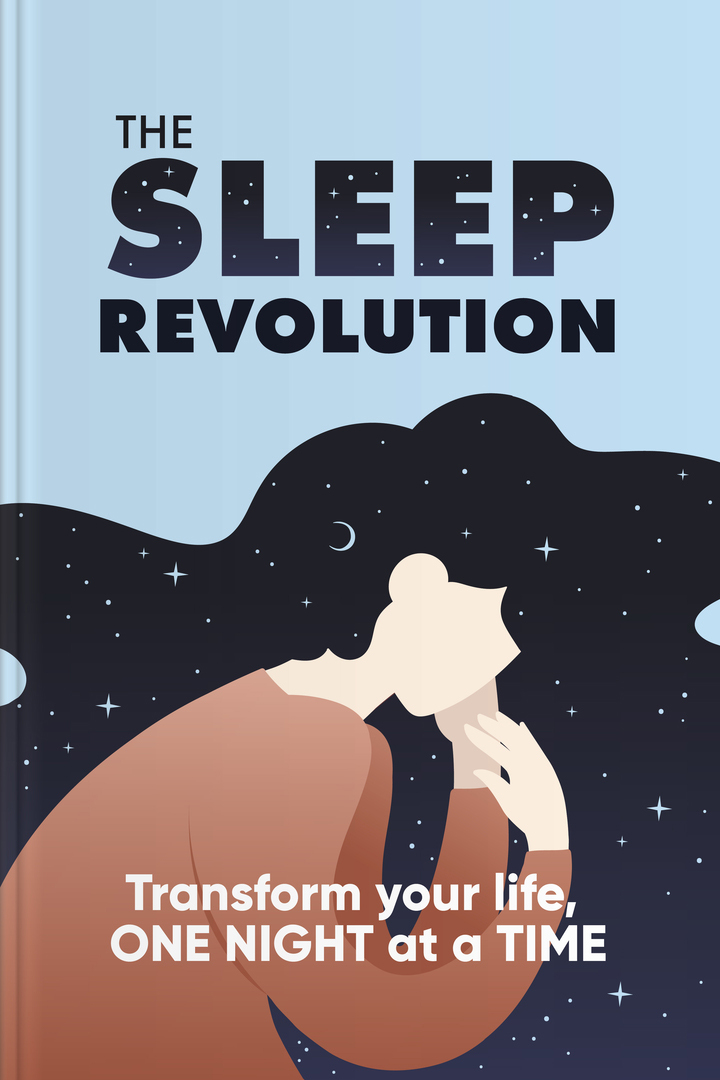
This narration invites listeners to step out of the “always on” mindset and into a more compassionate relationship with rest. Through Arianna Huffington’s story and research-based insights, it shows how sleep loss quietly drains mental sharpness, mood, immunity, and long-term health—often without us noticing until we hit a wall.
Across nine chapters, you’ll learn why the body insists on sleep, how sleep stages work, how medical conditions and sleep disorders can shape your nights, what changes as we age, and how partners can protect both intimacy and rest. You’ll also hear practical tools—light, temperature, movement, food, meditation, and supportive therapies—that can make sleep feel simpler and more attainable.
Who Should Listen to The Sleep Revolution?
- Anyone feeling tired, wired, overextended, or stuck in a cycle of late nights and foggy days
- High achievers and caregivers who suspect stress and burnout have become “normal,” and want a healthier model of success
- Partners navigating snoring, disrupted sleep, or different schedules—without wanting sleep to harm the relationship
Books Similar to The Sleep Revolution
Readers who enjoyed this also liked these titles.