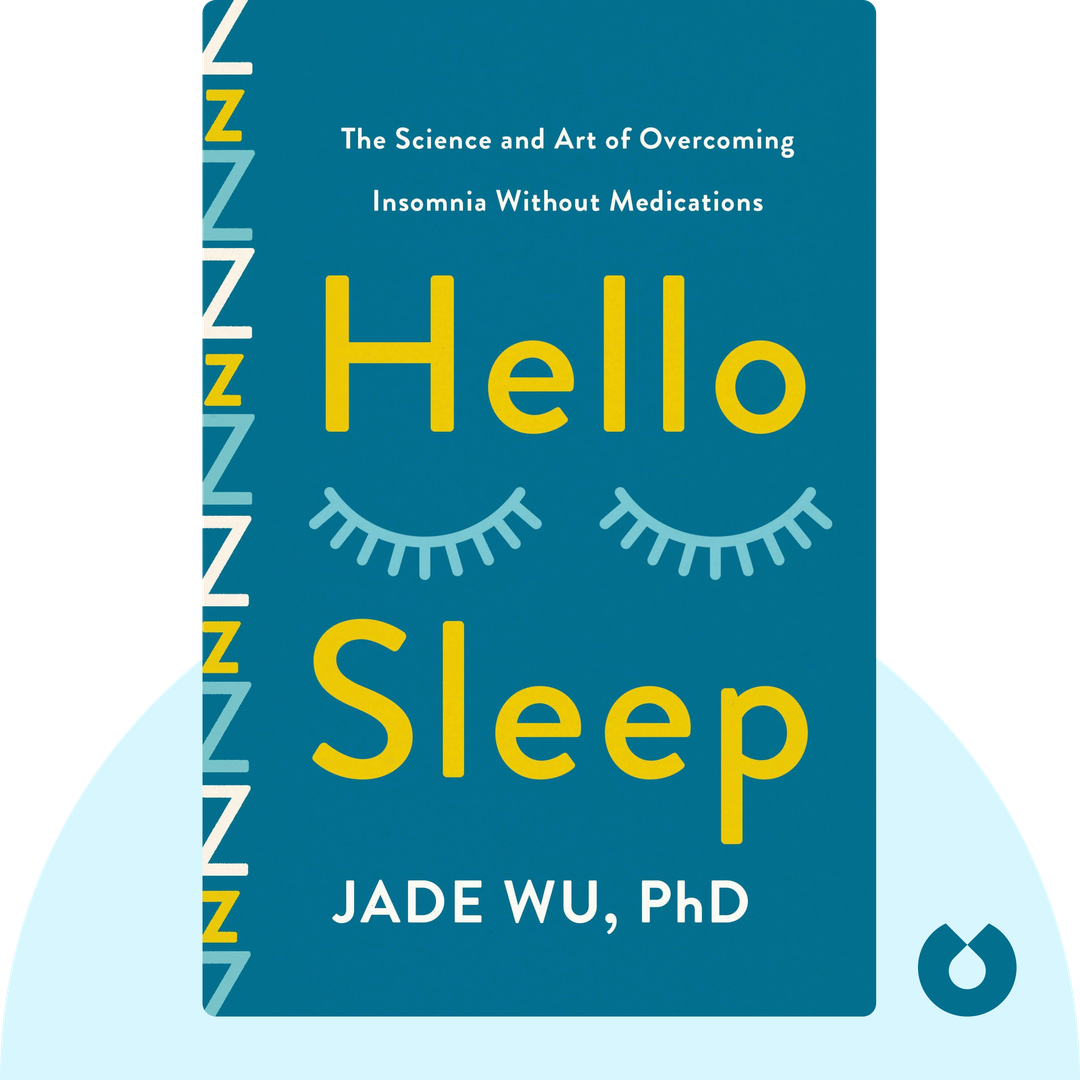
If You're Curious About These Questions...
You should listen to this audiobook
- Have you ever wondered why the harder you try to fall asleep, the more elusive rest becomes—and what the science says about breaking that cycle?
- What if the key to overcoming chronic insomnia isn't about 'fixing' your body, but about mending your psychological relationship with sleep?
- Did you know that standard sleep hygiene tips can sometimes make insomnia worse, and are you curious about the counterintuitive strategies that actually work?
Listen to Hello Sleep — Free Audiobook
Loading player...
Key Takeaways from Hello Sleep
- Discover why the universal eight-hour sleep requirement and strict 90-minute sleep cycles are myths, and how your brain naturally regulates its own unique sleep architecture.
- Understand the 'three Ps' of chronic insomnia—predisposing, precipitating, and perpetuating factors—and learn why taking control of your perpetuating habits is the key to recovery.
- Learn how to execute the 'Big Reset' program by utilizing sleep consolidation and deliberately spending less time in bed to build a robust, natural sleep drive.
- Master the method of calculating your optimal bedtime window by analyzing a daily sleep log and establishing a strictly consistent wake-up time.
- Find out how to tame a racing mind at night by proactively scheduling daytime rest and creating a 'mental litter box' to process your daily worries.
Learning Tools
Reinforce what you learned from Hello Sleep
Mind Map
Hello Sleep
Societal Attitudes+
Nature of Sleep+
Understanding Insomnia+
Building Sleep Drive+
Psychology of Sleeplessness+
Quiz — Test Your Understanding
Question 1 of 7
According to the text, how did industrialization and the globalized economy primarily alter human interaction with sleep?
Question 2 of 7
How does the book view the popular 'eight-hour rule' for sleep?
Question 3 of 7
Why do the diagnostic criteria for chronic insomnia deliberately avoid specifying exact thresholds for sleep duration or interruptions?
Question 4 of 7
What is a common sabotage to building a healthy 'sleep drive' mentioned in the text?
Question 5 of 7
According to the text, how does lingering in bed in the morning to catch a few more moments of rest affect your sleep cycle?
Question 6 of 7
Based on the principles of Acceptance and Commitment Therapy (ACT), what does the author recommend when you find yourself awake in the middle of the night?
Question 7 of 7
In the context of sleeplessness, why does the author suggest pivoting from mental rumination to bodily awareness?
Hello Sleep — Full Chapter Overview
- 1Recommendation
- 2How our attitudes toward sleep have changed over time
- 3There’s no universal approach to sleep
- 4Insomnia isn’t just about what happens at night
- 5Adjusting your daily routine can improve your nights
- 6Fighting sleeplessness makes the problem worse
- 7Final summary
Hello Sleep Summary & Overview
Hello Sleep (2023) delves into the often-misunderstood nature of insomnia, emphasizing that the key to overcoming sleepless nights lies not in exerting more effort but in mending your relationship with sleep. It offers a wealth of concrete, science-backed strategies, aimed at helping you to rediscover a sense of wonder and appreciation for your sleep.
Who Should Listen to Hello Sleep?
- Anyone battling chronic insomnia
- Readers seeking science-backed sleep improvement strategies
- Fans of compassionate health and wellness guidance
Books Similar to Hello Sleep
Readers who enjoyed this also liked these titles.