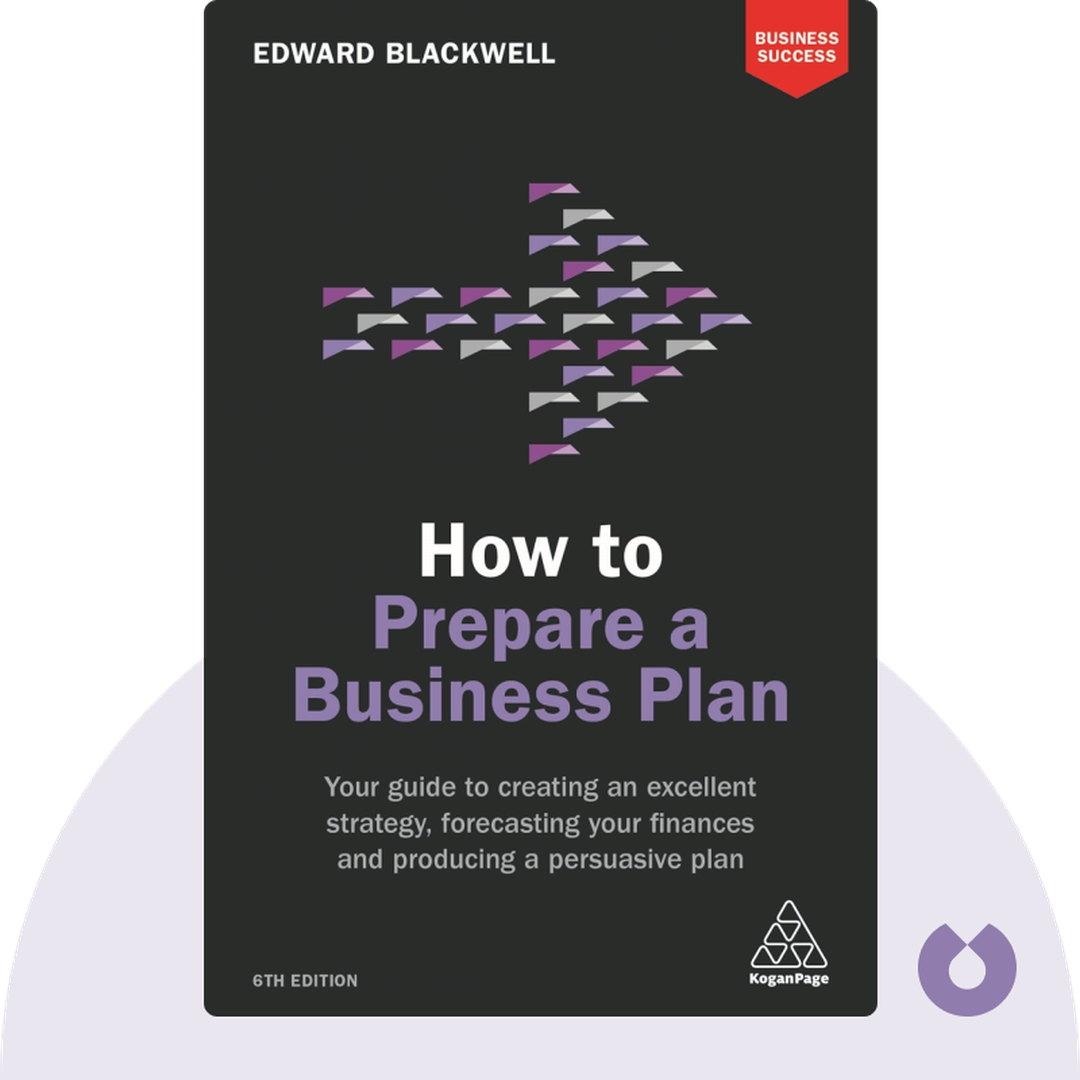
The Secrets to Writing a Successful Business Plan
Start ListeningDownload Try free on iPhoneScan to start in 5 seconds
Categories:
If You're Curious About These Questions...
You should listen to this audiobook
- Did you know that there are two distinct versions of a business plan you need to master, depending on whether you are pitching to a bank or an angel investor?
- What’s the secret to writing a business plan that doesn't just sit on a shelf, but actually serves as a dynamic, living roadmap for your company’s growth?
- Have you ever wondered what specific red flags make seasoned investors reject a business plan before they even finish reading the executive summary?
Listen to The Secrets to Writing a Successful Business Plan — Free Audiobook
Loading player...
Key Takeaways from The Secrets to Writing a Successful Business Plan
- Discover how to use a business plan not just as an administrative document, but as a creative tool to refine your idea and craft a winning elevator pitch.
- Learn how to avoid common deal-breaking mistakes when pitching to investors, such as failing to identify competition or asking for unaccounted funds.
- Understand why creating a concise, five-page feasibility plan is a crucial first step to pressure-test your assumptions before drafting a complete business plan.
- Find out why you should seek critical feedback from objective mentors instead of family, and why self-funding is the safest financial bet for early-stage startups.
- Master the art of writing a powerful executive summary that hooks busy investors by clearly detailing your unique solution, target market, team expertise, and financial needs.
Learning Tools
Reinforce what you learned from The Secrets to Writing a Successful Business Plan
Mind Map
The Secrets to Writing a Successful Business Plan
Purpose & Foundation+
Executive Summary+
Concept, Operations & Team+
Strategy & Market+
Financial Statements+
Funding & Investors+
Common Mistakes to Avoid+
Quiz — Test Your Understanding
Question 1 of 9
What three key questions should your value proposition, or 'elevator pitch', answer?
Question 2 of 9
According to the text, why is outsourcing parts of your business plan considered a dangerous tactic?
Question 3 of 9
What is the primary purpose of creating a five-page feasibility plan before writing the full business plan?
Question 4 of 9
Which of the following is true regarding the executive summary of a business plan?
Question 5 of 9
Why is it recommended to begin your market analysis by stating the overall size of the market?
Question 6 of 9
Which financial statement acts as a 'snapshot' of your company's money and debt, divided into assets and liabilities?
Question 7 of 9
Why are investors highly focused on a startup's 'burn-rate'?
Question 8 of 9
How do business angels typically differ from venture capital firms according to the text?
Question 9 of 9
Why does the author advise against using rock-bottom prices as your sole competitive advantage?
The Secrets to Writing a Successful Business Plan — Full Chapter Overview
- 1Recommendation
- 2A business plan is a versatile tool to hone any ideas.
- 3Avoid typical pitfalls to craft an attractive business plan.
- 4First priorities: feasibility plan, feedback, and family finances.
- 5The first section of your business plan is also the most crucial.
- 6A solid business plan provides detailed descriptions of the concept, operations, and team.
- 7You must outline your strategy and route to success.
- 8Projected financial statements are invaluable tools to show that your business is profitable.
- 9Various types of funding work for varied financial needs.
The Secrets to Writing a Successful Business Plan Summary & Overview
The Secrets to Writing a Successful Business Plan (2014) is an expert’s guide to crafting a strategy that works. These blinks explain everything you need to know about this process in a detailed, easy-to-follow structure.
Who Should Listen to The Secrets to Writing a Successful Business Plan?
- Business students eager to learn the secrets of a successful business plan
- Anyone who’s thinking about going into business for themselves
- Established entrepreneurs who are struggling to get the financing they need
Books Similar to The Secrets to Writing a Successful Business Plan
Readers who enjoyed this also liked these titles.