If You're Curious About These Questions...
You should listen to this audiobook
- What's the secret to building a workplace where high pressure actually fuels innovation instead of causing burnout?
- Have you ever wondered why some organizations thrive during a crisis while others crumble, despite having the same resources?
- What if you could transform your company's culture into a resilient engine that naturally drives both employee well-being and long-term success?
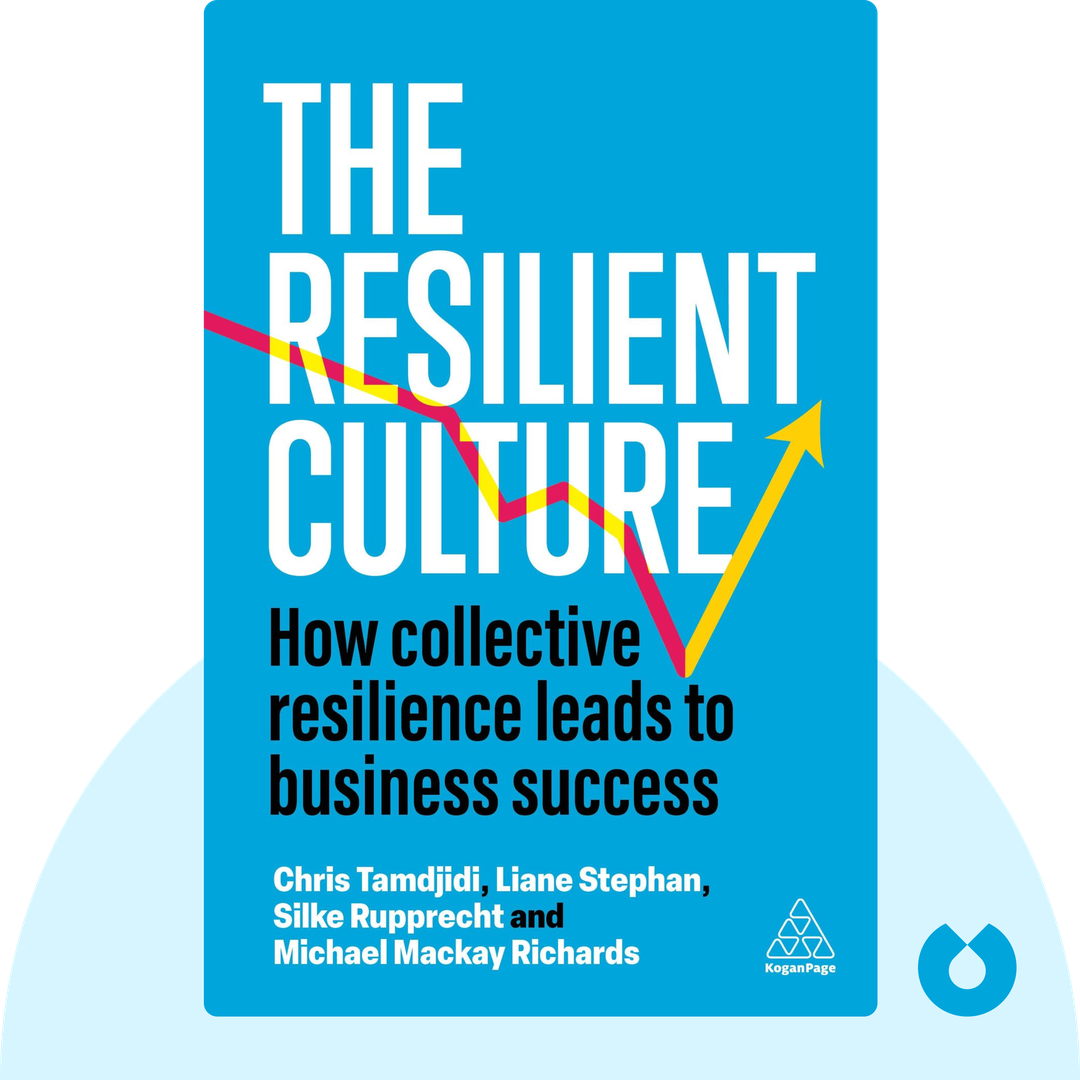
Listen to The Resilient Culture — Free Audiobook
Loading player...
Key Takeaways from The Resilient Culture
- Discover why resilience must be woven into your company's core structure rather than treated purely as an individual trait to help your organization face disruptions head-on.
- Understand why true resilience is about flexibility rather than stoic endurance, and discover how both leaders and employees can actively train it like a muscle.
- Learn to effectively navigate the four essential neurophysiological states—stressed, growing, regenerating, and letting go—to prevent burnout and sustain long-term growth.
- Master a skills-based approach to stress management by combining behavioral actions, psychological strategies, and physiological techniques.
- Find out how to utilize practical mind-body exercises, such as breathwork and interoceptive awareness, to quickly calm your nervous system and restore internal balance.
Learning Tools
Reinforce what you learned from The Resilient Culture
Mind Map
The Resilient Culture
The Need for Structural Resilience+
Debunking Resilience Myths+
Neurobiology & The Four States+
Developing Resilience Skills+
Team Resilience & Social Dynamics+
Cultivating Organizational Culture+
Quiz — Test Your Understanding
Question 1 of 7
What is a common misconception about resilience that modern psychology refutes?
Question 2 of 7
According to the book, what characterizes the 'growing' state of our internal stress responses?
Question 3 of 7
How does the book define true resilience in the context of the four internal neurophysiological states?
Question 4 of 7
Which of the following is an example of a 'psychological skill' for building resilience, as categorized in the text?
Question 5 of 7
How does polyvagal theory apply to resilience among team members?
Question 6 of 7
What phenomenon explains how a leader's high stress levels can easily spread and undermine a team's resilience?
Question 7 of 7
Which of the following is recommended as an organizational strategy to build attention management skills and support workplace resilience?
The Resilient Culture — Full Chapter Overview
- 1Recommendation
- 2Let go of popular misconceptions
- 3Our stress reactions are hardwired
- 4Resilience is an acquired skill
- 5Resilience among team members
- 6Resilience in the work culture
The Resilient Culture Summary & Overview
The Resilient Culture (2024) provides a practical guide to building resilience within organizations, emphasizing the importance of productive, collaborative, and innovative cultures. It leverages decades of corporate and academic expertise to help businesses achieve lasting success.
Who Should Listen to The Resilient Culture?
- Business leaders seeking strategies to enhance organizational resilience
- HR professionals interested in practical frameworks for improving employee well-being
- Team managers who want to cultivate collaborative and innovative work environments.
Books Similar to The Resilient Culture
Readers who enjoyed this also liked these titles.