If You're Curious About These Questions...
You should listen to this audiobook
- Did you know that there are four distinct 'archetypes' of happiness, and most of us are unknowingly trapped in a cycle that prevents true fulfillment?
- Have you ever wondered why reaching a major milestone often leaves you feeling empty rather than as happy as you expected?
- What’s the secret to finding the perfect 'sweet spot' where your daily pleasures and your long-term purpose finally align?
Listen to Happier — Free Audiobook
Loading player...
Key Takeaways from Happier
- Discover why happiness is the ultimate human pursuit and how cultivating a positive outlook naturally drives success in relationships, health, and finances.
- Understand the essential formula for a fulfilled life by learning to integrate pleasurable emotions with a deep, personal sense of meaning.
- Learn how to escape the 'rat race' mentality of constantly postponing joy for future achievements by engaging in activities that reward you both now and later.
- Identify the four distinct types of happiness seekers so you can avoid the traps of hedonism and nihilism to achieve true balance.
- Master the art of setting 'self-concordant' goals that are rooted in your genuine passions rather than societal pressures or the desire to impress others.
Learning Tools
Reinforce what you learned from Happier
Mind Map
Happier
The Nature of Happiness+
The Four Archetypes+
Goal Setting+
Happiness in Education+
Happiness in Career+
Happiness in Relationships+
Actionable Habits+
Quiz — Test Your Understanding
Question 1 of 8
Why is happiness considered the ultimate human goal according to the text?
Question 2 of 8
According to the book, true happiness stems from the integration of which two factors?
Question 3 of 8
How does the book describe the 'rat race' approach to life?
Question 4 of 8
What are 'self-concordant goals'?
Question 5 of 8
How can students naturally achieve a 'state of flow' when learning?
Question 6 of 8
When trying to identify a career that acts as a true calling, the author recommends using the MPS test. What does MPS stand for?
Question 7 of 8
According to research by Ed Diener and Martin Seligman, what is the primary difference between 'very happy people' and those who are less satisfied?
Question 8 of 8
What is an 'explanatory happiness booster' as described in the book's actionable advice?
Happier — Full Chapter Overview
- 1Recommendation
- 2Happiness is the ultimate human goal and a powerful driver of success.
- 3Pleasure and meaning are at the heart of a happy, fulfilled life.
- 4Happiness calls for balancing the present with the future.
- 5Happiness grows from clear purpose and well-chosen goals.
- 6Make school more enjoyable by focusing on what you love.
- 7Choosing a career aligned with your passions will make you happier.
- 8The more you nurture meaningful relationships, the happier you’ll be.
- 9Final summary
Happier Summary & Overview
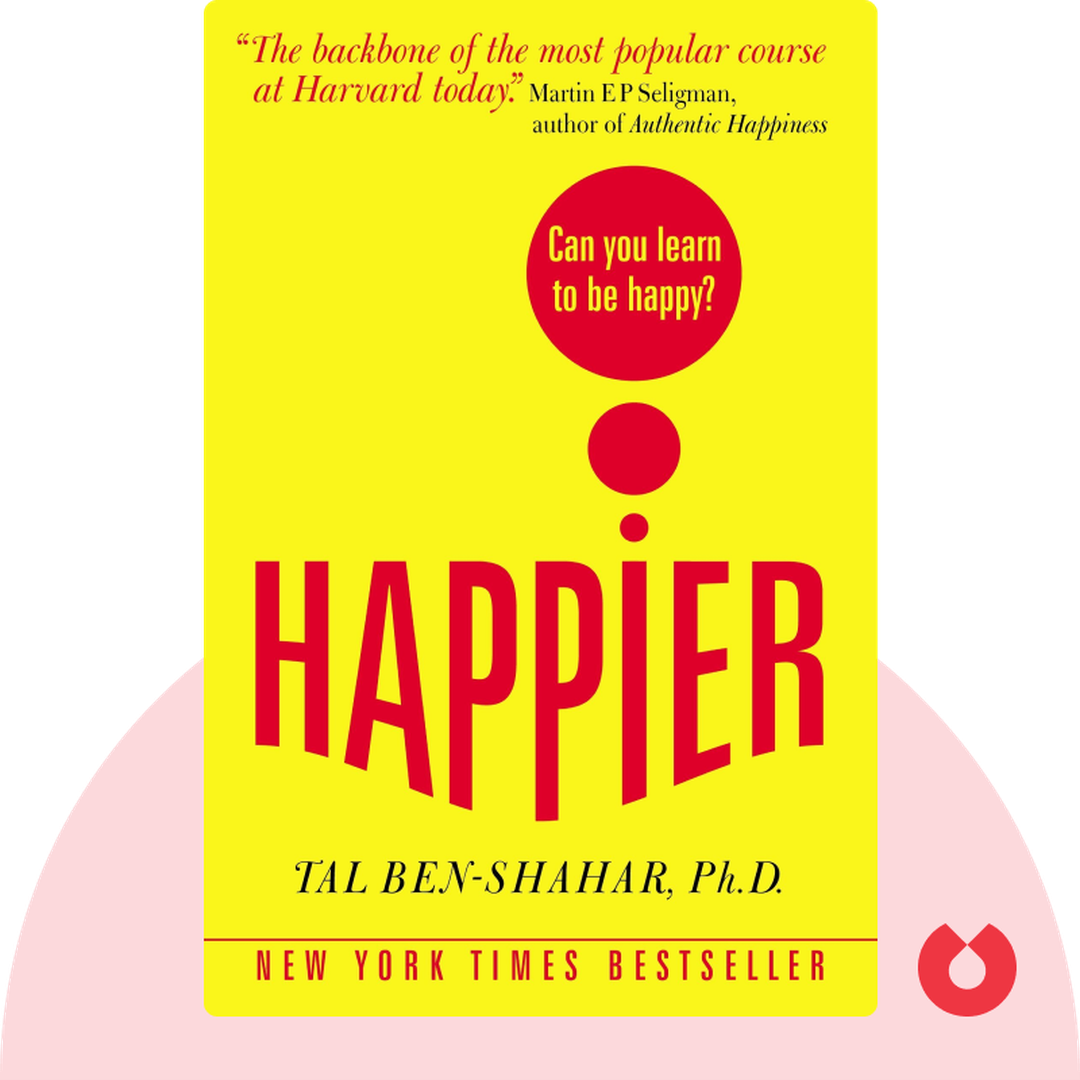
Happier (2008) is a guide to living a more meaningful and pleasurable existence. These blinks will challenge you to identify what matters most to you and to reflect on how you can make that a bigger part of your life.
Who Should Listen to Happier?
- Students who are preparing to choose their career paths
- Educators and parents who want to encourage students to focus on happiness and meaningfulness
- Anybody who feels a bit stuck and is looking for true change
Books Similar to Happier
Readers who enjoyed this also liked these titles.