If You're Curious About These Questions...
You should listen to this audiobook
- Have you ever wondered why, despite all your success, you still feel like a 'fake' grown-up just waiting to be caught?
- What if you could stop dismissing your wins as mere luck and finally start believing in your own competence?
- What’s the secret to rewiring your brain so you can see yourself as clearly and confidently as the rest of the world sees you?
Listen to The Imposter Cure — Free Audiobook
Loading player...
Key Takeaways from The Imposter Cure
- Discover the five distinct types of imposter syndrome—Perfectionists, Natural Geniuses, Soloists, Experts, and Superwomen or Supermen—to identify which specific traits are holding you back.
- Understand why feelings of discomfort are often misinterpreted as proof of being a fraud, and learn to stop shifting the goalposts every time you succeed.
- Learn how to build a tangible body of evidence by regularly listing your accomplishments to actively dispel false beliefs and combat confirmation bias.
- Recognize that common coping strategies like overworking, keeping secrets, and avoidance only reinforce imposter syndrome instead of improving your self-image.
- Master the practice of becoming your own cheerleader by replacing harsh self-criticism with self-compassion and setting healthy boundaries to protect your well-being.
Learning Tools
Reinforce what you learned from The Imposter Cure
Mind Map
The Imposter Cure
Understanding Imposter Syndrome+
Identifying Destructive Habits+
Rewiring Your Mindset+
Actionable Strategies+
Quiz — Test Your Understanding
Question 1 of 7
According to Dr. Valerie Young's research, how do 'Experts' typically manifest their imposter syndrome?
Question 2 of 7
How do people with imposter syndrome typically interpret their own successes?
Question 3 of 7
What practical technique does the book suggest to help dispel false beliefs about being an imposter?
Question 4 of 7
Why are coping mechanisms like overworking and avoidance ultimately harmful for someone with imposter syndrome?
Question 5 of 7
According to the text, what is a healthier alternative to striving for perfection?
Question 6 of 7
What is one recommended mental strategy for dealing with a harsh inner imposter voice?
Question 7 of 7
How does the book suggest you test the idea of letting go of perfectionism in your daily work?
The Imposter Cure — Full Chapter Overview
- 1Recommendation
- 2There are five types of imposters.
- 3Notice negative self-talk and its power will diminish.
- 4Overworking and avoidance reveal you feel like an imposter.
- 5Become your own supporter and ease your pain.
- 6Chasing perfection guarantees disappointment.
- 7Tackle avoidance and excessive work.
The Imposter Cure Summary & Overview
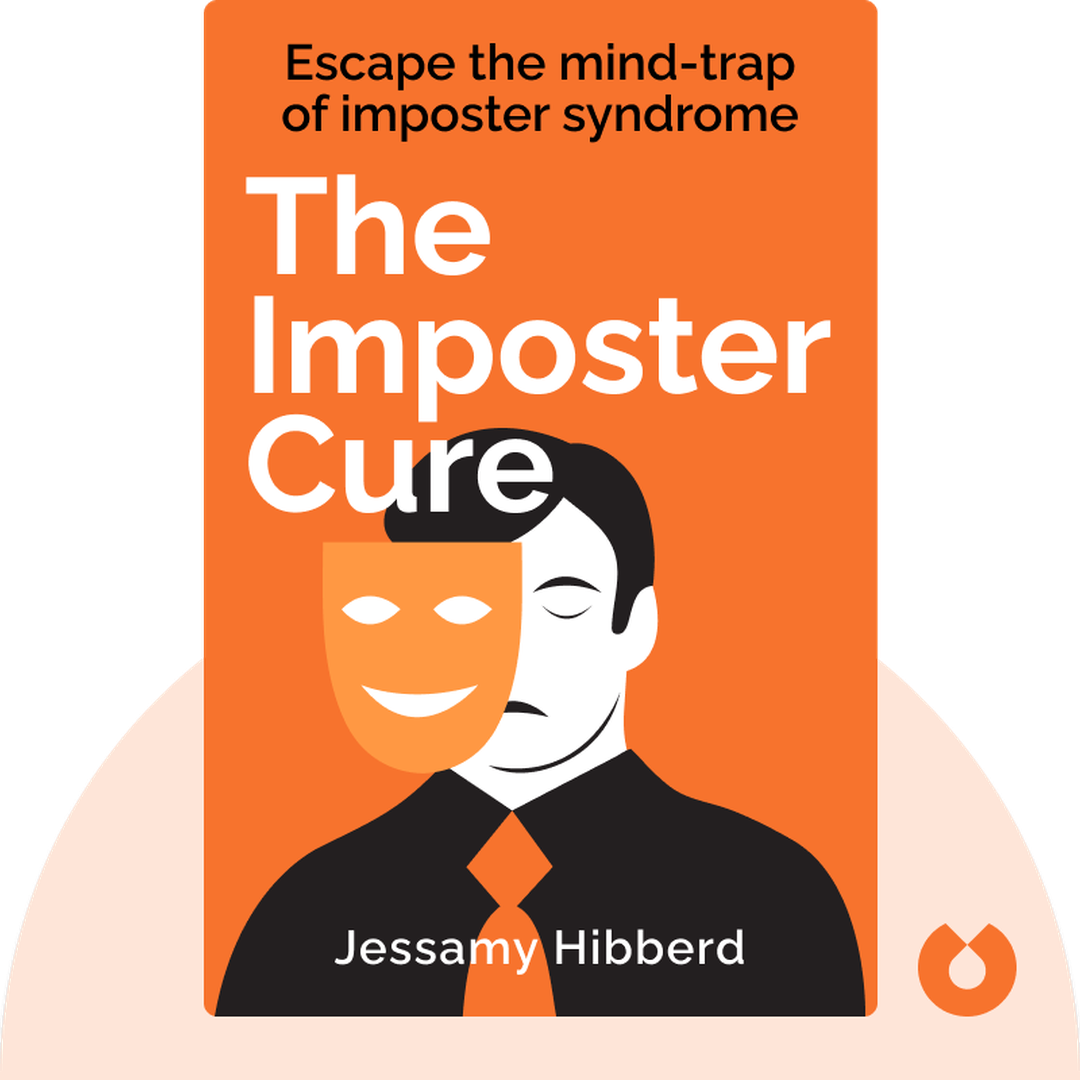
The Imposter Cure (2019) provides strategies for increasing confidence, overcoming fears and doubts, and learning to see oneself through the eyes of others.
Who Should Listen to The Imposter Cure?
- Anybody who feels like a fraud
- Grown-ups who don’t feel grown up
- Self-sabotagers
Books Similar to The Imposter Cure
Readers who enjoyed this also liked these titles.