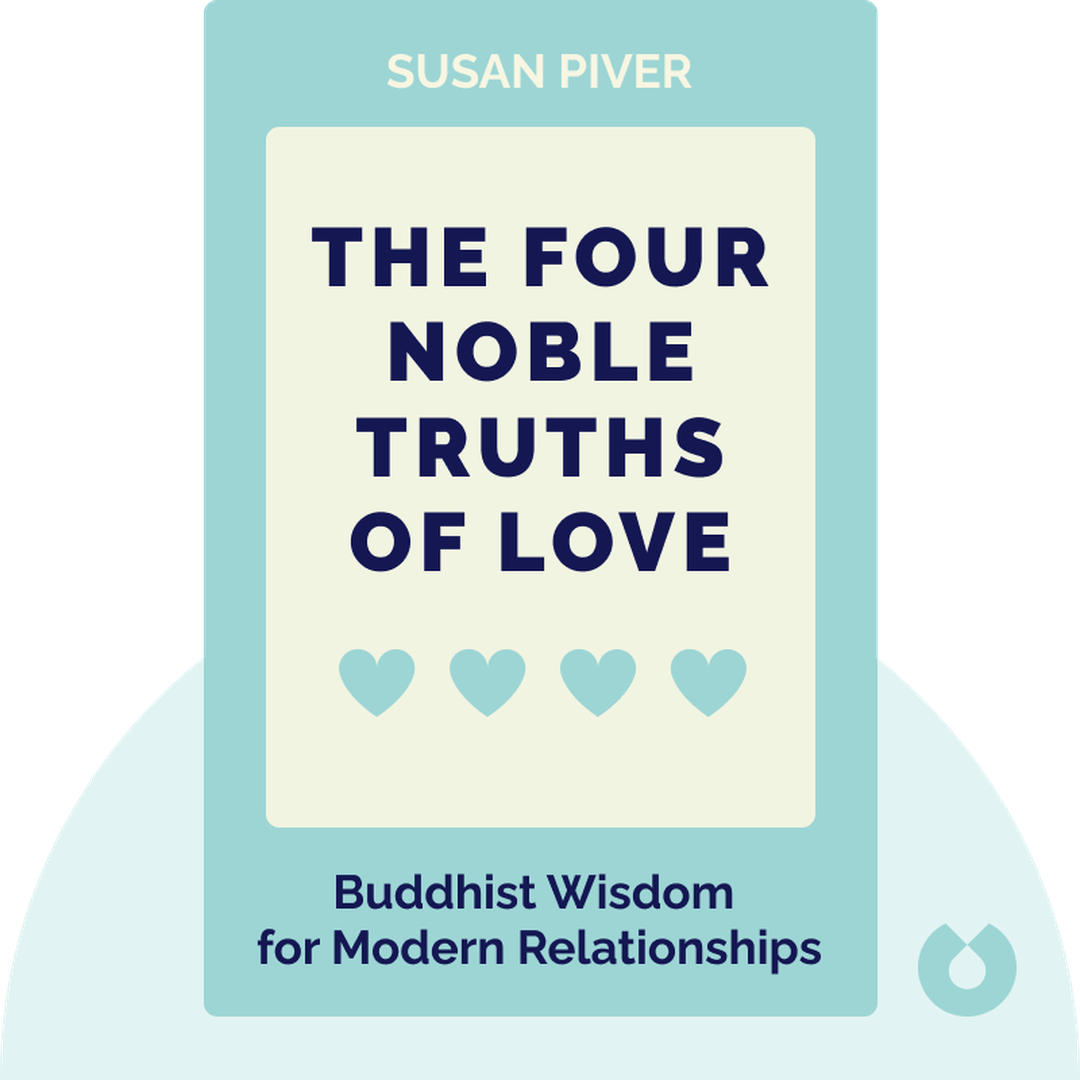
The Four Noble Truths of Love
Start ListeningDownload Try free on iPhoneScan to start in 5 seconds
Categories:
If You're Curious About These Questions...
You should listen to this audiobook
- What's the secret to transforming heartbreak into a path to awakening?
- Are you curious about how ancient Buddhist wisdom can help you navigate the complexities of modern love?
- Can you imagine cultivating a deeper sense of self-love and compassion in your relationships?
Listen to The Four Noble Truths of Love — Free Audiobook
Loading player...
Key Takeaways from The Four Noble Truths of Love
- Discover how ancient Buddhist philosophy can be applied to modern romance to liberate you from the bad habits and false expectations that sabotage your love life.
- Understand the First Noble Truth of Love: relationships never completely settle. Accept that ongoing problems and discomfort are normal, permanent parts of a loving partnership rather than temporary obstacles.
- Learn to view relationship problems as essential tools for building intimacy, rather than signs of failure. Realize that working through inevitable hardships is exactly what forces you and your partner to deepen your bond.
- Discover why holding your partnership to the euphoric standards of movies guarantees disappointment. Understand the crucial difference between a feelings-driven love affair and a genuine, long-term relationship.
- Find out how to adapt traditional mindfulness practices to connect with your partner. Learn to stop waiting for a flawless, problem-free future and instead embrace the everyday pleasures of your relationship right now.
Learning Tools
Reinforce what you learned from The Four Noble Truths of Love
Mind Map
The Four Noble Truths of Love
Buddhist Foundations+
1st Truth of Love: Relationships Never Settle+
2nd Truth of Love: Expecting Stability Creates Instability+
3rd Truth of Love: Meeting Instability Together+
4th Truth of Love: The Path to Transcend Suffering+
Quiz — Test Your Understanding
Question 1 of 5
According to the First Noble Truth of Love, what is the reality of problems within a relationship?
Question 2 of 5
How does the author distinguish a 'love affair' from a 'relationship'?
Question 3 of 5
What is meant by the author's advice to 'feel the feeling, drop the story'?
Question 4 of 5
According to the Third Noble Truth of Love, what does true love entail?
Question 5 of 5
During the 'meditative conversation' exercise described in the text, what is the listener's role while the speaker holds the floor for five minutes?
The Four Noble Truths of Love — Full Chapter Overview
- 1Recommendation
- 2The Four Noble Truths form the foundation of Buddhist philosophy.
- 3Problems are a natural part of relationships.
- 4We damage relationships by holding them to unrealistic standards.
- 5Attachment is the root cause of dissatisfaction in relationships.
- 6True love means embracing a relationship’s instability together.
- 7Practicing direct communication can deepen intimacy between partners.
- 8Final summary
The Four Noble Truths of Love Summary & Overview
The Four Noble Truths of Love (2018) brings ancient Buddhist wisdom out of the monastery and into the bedroom. By adapting the timeless insights taught by the Buddha 2,500 years ago to the nature of love, it shines a light through the murky mess of modern romance.
Who Should Listen to The Four Noble Truths of Love?
- Long-term couples who want to rejuvenate their love life
- Singles who want to improve their dating experiences
- Anyone who wants to experience a deeper, more mature love
Books Similar to The Four Noble Truths of Love
Readers who enjoyed this also liked these titles.