If You're Curious About These Questions...
You should listen to this audiobook
- Did you know that each knight’s epic quest is actually a hidden roadmap to mastering a specific human virtue, from holiness to courtesy?
- Have you ever wondered how a mythical land of dragons and sorcerers was used to craft a daring, coded tribute to one of history’s most powerful queens?
- What’s the secret to the ancient code of chivalry that Spenser used to define the ultimate balance between romantic passion and moral discipline?
Listen to The Faerie Queene — Free Audiobook
Loading player...
Key Takeaways from The Faerie Queene
- Discover how Edmund Spenser uses rich allegory to weave complex moral lessons and historical commentary on Tudor England into a captivating fantasy epic.
- Learn why spiritual strength and healing are necessary to overcome deceit, as demonstrated by Redcrosse's struggle against the false sorceress Duessa.
- Understand the vital importance of temperance and self-control for achieving moral harmony by following Sir Guyon as he resists extreme worldly temptations.
- Explore the complex Renaissance perspectives on female power through the adventures of Britomart, a formidable woman warrior who fiercely champions chastity.
- Decode the religious and cultural tensions of Elizabethan society by analyzing the epic's shadowy villains, who symbolize historical threats and moral corruption.
Learning Tools
Reinforce what you learned from The Faerie Queene
Mind Map
The Faerie Queene
Core Themes & Allegory+
Book 1: Holiness+
Book 2: Temperance+
Book 3: Chastity+
Book 4: Friendship & Love+
Book 5: Justice+
Book 6: Courtesy+
Quiz — Test Your Understanding
Question 1 of 7
What does the character of Redcrosse primarily represent in the epic's allegorical structure?
Question 2 of 7
In Book Two, what is the ultimate goal of Sir Guyon's quest?
Question 3 of 7
How does Britomart's character challenge the negative Renaissance stereotypes of women as dangerous temptresses?
Question 4 of 7
Why does the magical girdle of Venus fall off the 'false' Florimell during the beauty contest in Book Four?
Question 5 of 7
What is the primary role of Arthurian legend in Book Five, particularly through the character of Arthegall?
Question 6 of 7
What does the Blatant Beast symbolize in Calidore's quest for courtesy in Book Six?
Question 7 of 7
According to the text, what historical and religious conflict is represented by the villains Archimago and Duessa?
The Faerie Queene — Full Chapter Overview
- 1Recommendation
- 2First Book
- 3Second Book
- 4Third Book
- 5Fourth Book
- 6Fifth Book
- 7Sixth Book
The Faerie Queene Summary & Overview
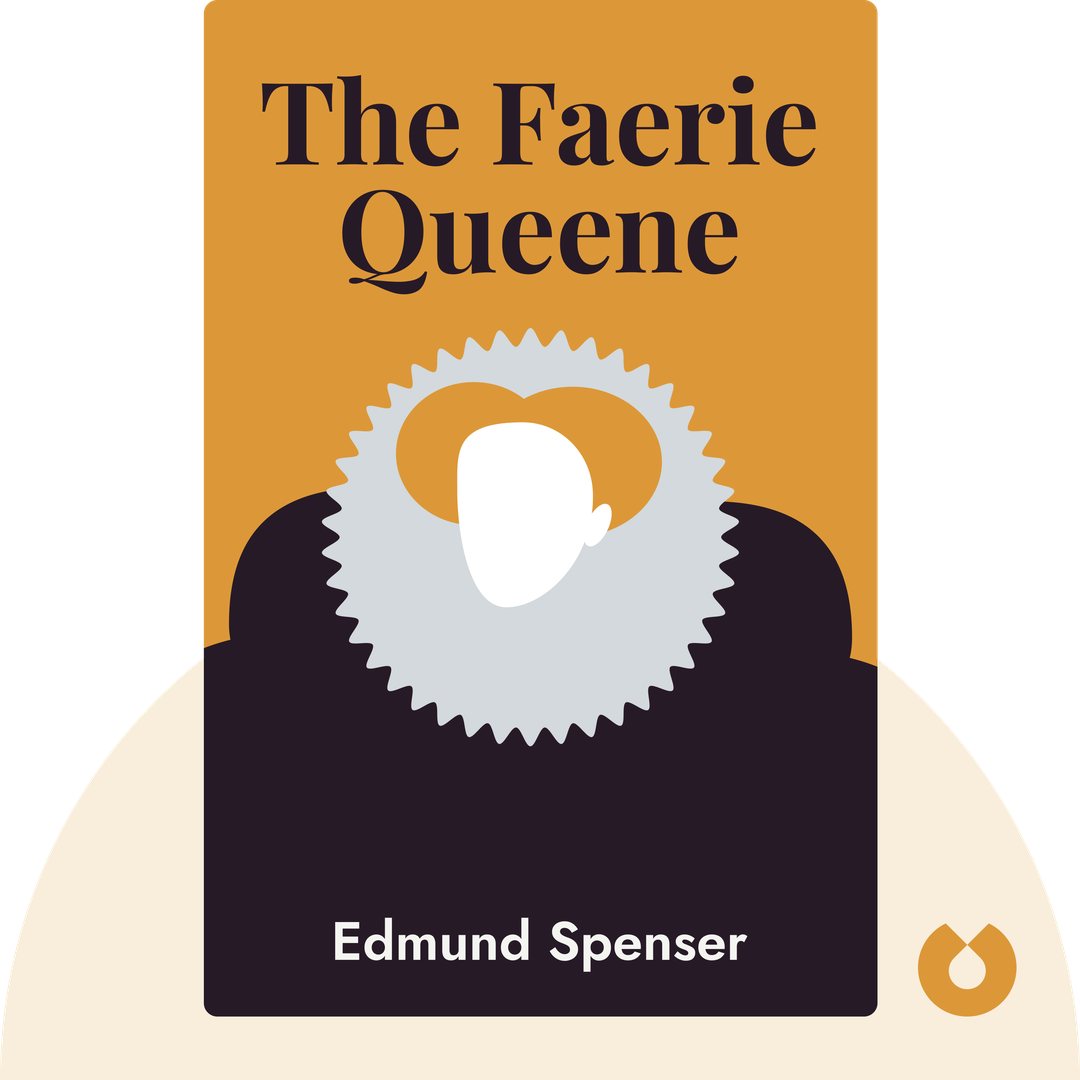
The Faerie Queene (1590) is an epic poem combining adventure, romance, and moral instruction. This allegorical masterpiece uses the mythical journeys of knights, ladies, witches, and warriors to explore themes of virtue, chivalry, and the idealized English monarchy.
Who Should Listen to The Faerie Queene?
- History buffs, especially lovers of the Renaissance era
- Classicists keen to learn about a seminal work of epic poetry
- True romantics in the mood for tales of chivalry and courtship
Books Similar to The Faerie Queene
Readers who enjoyed this also liked these titles.