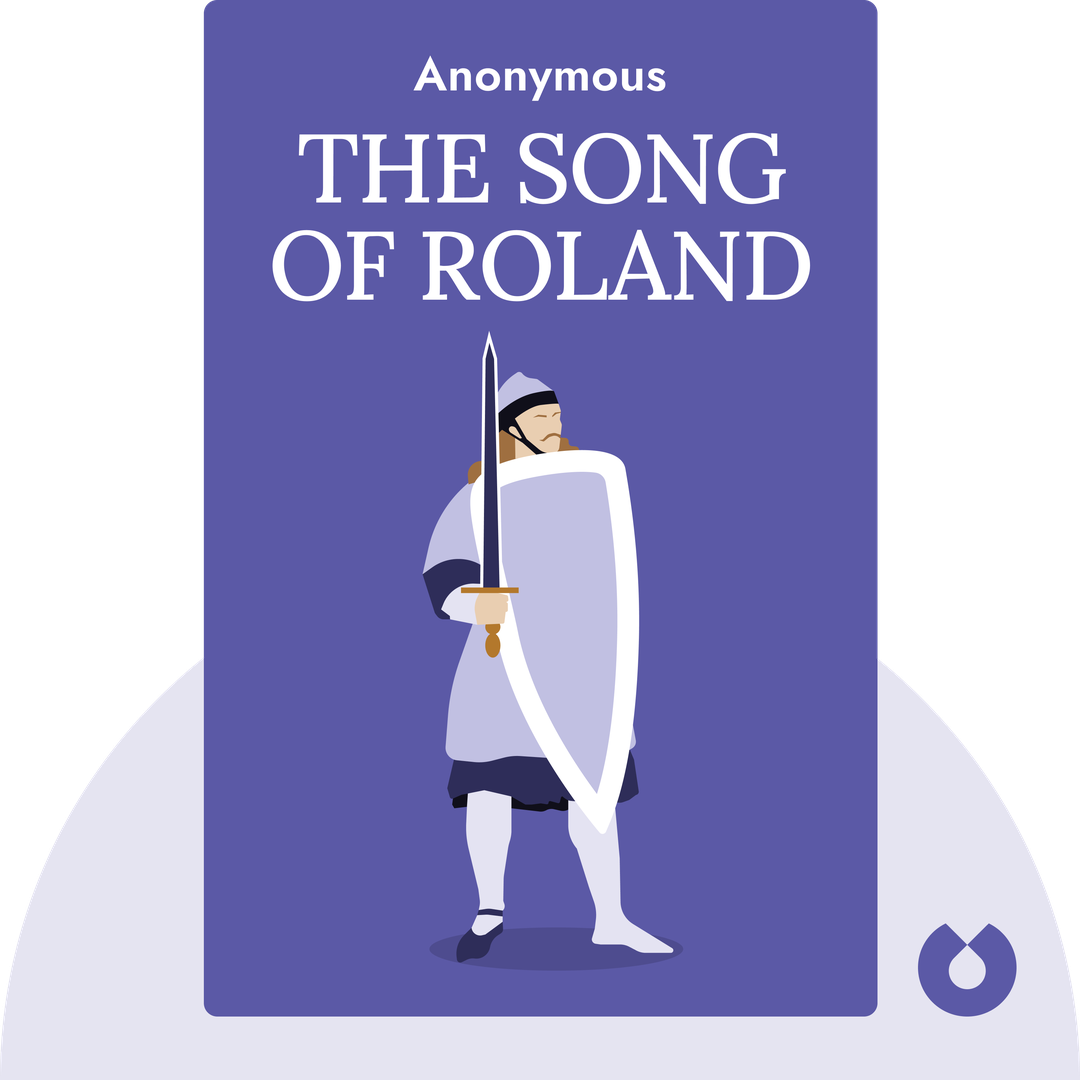
If You're Curious About These Questions...
You should listen to this audiobook
- Have you ever wondered how a single historical ambush was transformed into a legendary epic that defined the code of chivalry for centuries?
- Did you know that one of history's most famous military leaders chose certain death over calling for backup—and do you know the surprising reason why?
- Are you curious about what the oldest major work of French literature reveals about the high-stakes intersection of faith, betrayal, and ultimate sacrifice?
Listen to The Song of Roland — Free Audiobook
Loading player...
Key Takeaways from The Song of Roland
- Discover how this eleventh-century epic fueled French national pride and served as a foundational text that shaped Western civilization.
- Understand the rigid medieval codes of martial honor by exploring Roland's tragic refusal to call for reinforcements in the face of impossible odds.
- Explore the devastating consequences of betrayal as Ganelon’s spiteful, treacherous alliance with the Saracens seals the fate of Charlemagne's rearguard.
- Experience the intense religious tensions of the Crusades era through the epic, ideological clashes between Christian knights and Muslim forces.
- Learn how unwavering faith and the promise of divine martyrdom drove medieval warriors to fight valiantly to the very end.
Learning Tools
Reinforce what you learned from The Song of Roland
Mind Map
The Song of Roland
Historical Context+
Ganelon's Betrayal+
Roland's Martyrdom+
Charlemagne's Revenge+
Justice and Aftermath+
Core Themes+
Quiz — Test Your Understanding
Question 1 of 8
What historical and cultural context does "The Song of Roland" primarily reflect?
Question 2 of 8
Why does Ganelon conspire with King Marsilion to ambush the Frankish rearguard?
Question 3 of 8
Why does Roland initially refuse Olivier’s pleas to sound the olifant (hunting horn) during the ambush at Roncevaux Pass?
Question 4 of 8
What role does Archbishop Turpin play during the battle at Roncevaux Pass?
Question 5 of 8
What does Roland attempt to do with his legendary sword, Durendal, right before he dies?
Question 6 of 8
How is Charlemagne able to defeat the powerful Emir Baligant in their final, one-on-one confrontation?
Question 7 of 8
How is the dispute over Ganelon’s guilt ultimately resolved at his trial?
Question 8 of 8
What happens at the very end of the epic after Charlemagne has exacted his revenge and punished Ganelon?
The Song of Roland — Full Chapter Overview
- 1Recommendation
- 2The Horn in the Mountain Pass
- 3A False Peace in Spain
- 4The Bargain of Ganelon
- 5Roland Takes the Rear Guard
- 6Roncevaux Runs Red
- 7Oliver’s Last Blow
- 8Durendal Beneath the Pine
- 9Charlemagne’s Vengeance
- 10Judgment at Aix
The Song of Roland Summary & Overview
The Song of Roland (ca. the eleventh century) is an anonymous epic poem that tells the heroic deeds of Frankish king Charlemagne’s knights in their battle against Muslim Saracens in Spain. One of them, military leader Roland, bravely leads his men against the enemy – risking death to defend chivalry, honor, and the Christian religion.
Who Should Listen to The Song of Roland?
- Fans of epic poetry and ancient literature
- History buffs interested in medieval Europe and early French culture
- Military history enthusiasts wanting to read early accounts of battles
Books Similar to The Song of Roland
Readers who enjoyed this also liked these titles.