If You're Curious About These Questions...
You should listen to this audiobook
- Did you know that the very technology meant to drive us forward could be hard-coding racial bias into our everyday lives?
- Have you ever wondered how the fight for climate justice is inseparable from the struggle for racial equity?
- What if the solutions to our most pressing societal challenges—from wellness to criminal justice—are already being mapped out by the very experts we often overlook?
Listen to The Black Agenda — Free Audiobook
Loading player...
Key Takeaways from The Black Agenda
- Discover why the systemic erasure of Black experts during global crises like COVID-19 deprives society of the crucial knowledge needed to solve our most urgent challenges.
- Understand the critical concept of intersectionality and why fighting for climate justice is impossible without simultaneously dismantling systemic racism.
- Learn why climate change is not the 'Great Equalizer' but rather the 'Great Multiplier,' compounding the pre-existing threats and inequities faced by marginalized groups.
- Explore how the racist historical practice of redlining created profound environmental vulnerability, disproportionately exposing Black communities to toxic pollution and urban heat islands.
- Find out how the prison system acts as a severe environmental hazard for inmates of color, and discover what climate activists can learn from the prison abolition movement.
Learning Tools
Reinforce what you learned from The Black Agenda
Mind Map
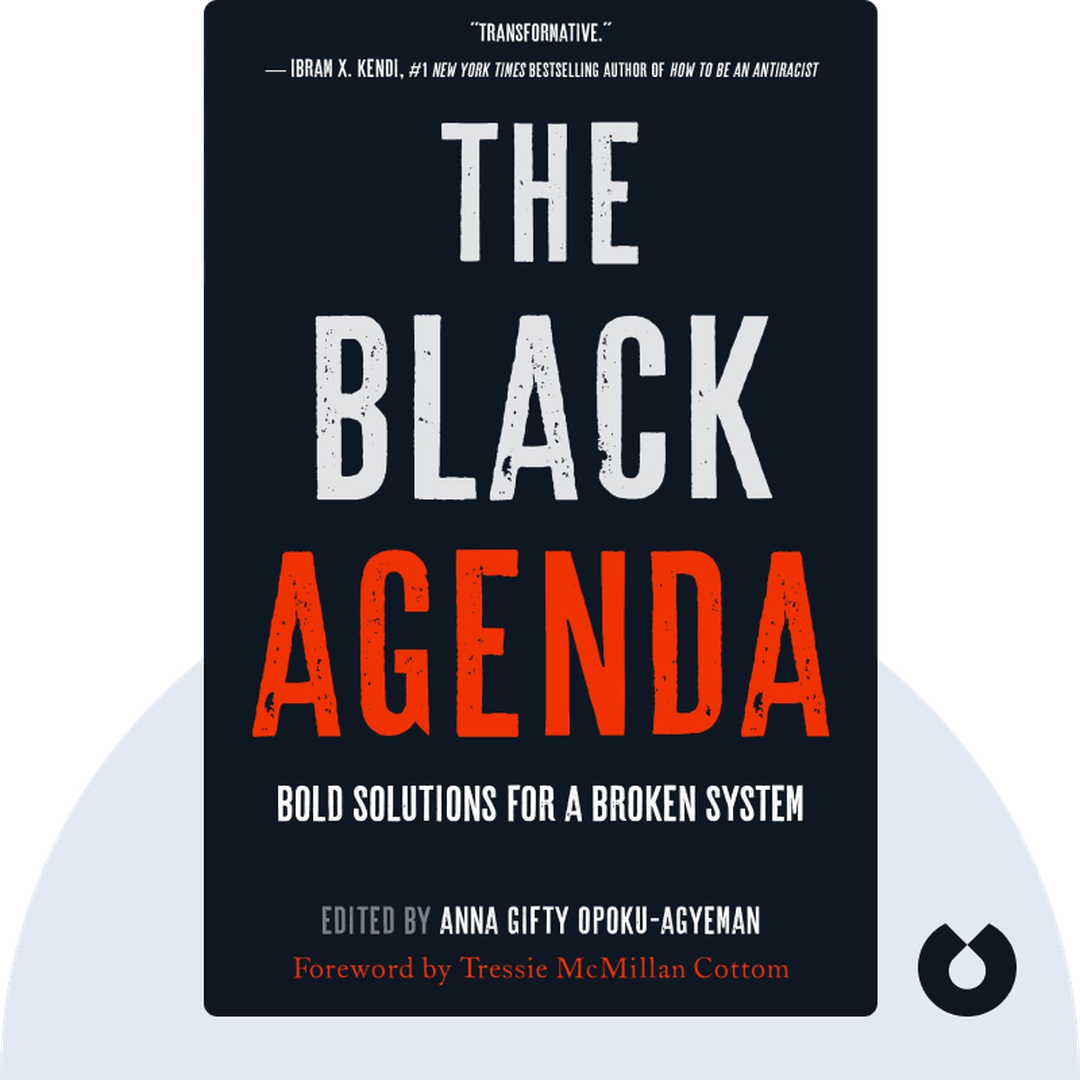
The Black Agenda
Erasure of Black Expertise+
Climate Justice+
Algorithmic Assaults+
Tech Accountability+
The Path Forward+
Quiz — Test Your Understanding
Question 1 of 8
According to the text, why have Black communities borne the brunt of the COVID-19 pandemic?
Question 2 of 8
How does climate activist Mary Annaïse Heglar describe the impact of climate change?
Question 3 of 8
How did the historical practice of 'redlining' contribute to the environmental vulnerability of African American communities today?
Question 4 of 8
What concept from the prison abolition movement is suggested as a model to fundamentally shift how we fight climate change?
Question 5 of 8
What did computer scientists Deborah Raji and Joy Buolamwini discover during their external audit of Amazon’s facial recognition software?
Question 6 of 8
What does Professor Brandeis Marshall mean by the term 'algorithmic assault'?
Question 7 of 8
Why does AI researcher Jordan Harrod argue that terms like 'bias' and 'fairness' need to be carefully defined in the tech industry?
Question 8 of 8
What is the overarching solution proposed by the text to address complex societal challenges like climate change and faulty AI?
The Black Agenda — Full Chapter Overview
- 1Recommendation
- 2You can’t fight for the climate without fighting for Black lives.
- 3Climate change multiplies the existing threats facing Black communities.
- 4Climate activists can learn from the strategies of prison abolitionists.
- 5Facial recognition technology is deeply flawed and highly dangerous.
- 6Algorithmic assaults present a grave threat to Black communities.
- 7Black women are at the forefront of efforts to hold tech giants accountable.
- 8Complex challenges require fully intersectional solutions.
The Black Agenda Summary & Overview
The Black Agenda (2022) is a compilation of essays by Black experts reflecting the latest developments and challenges in diverse fields such as wellness, criminal justice, climate activism, and AI.
Who Should Listen to The Black Agenda?
- Activists of all stripes
- Anyone who wants to know how tech perpetuates racism
- Anyone who wants to know how climate change and racial justice are linked
Books Similar to The Black Agenda
Readers who enjoyed this also liked these titles.