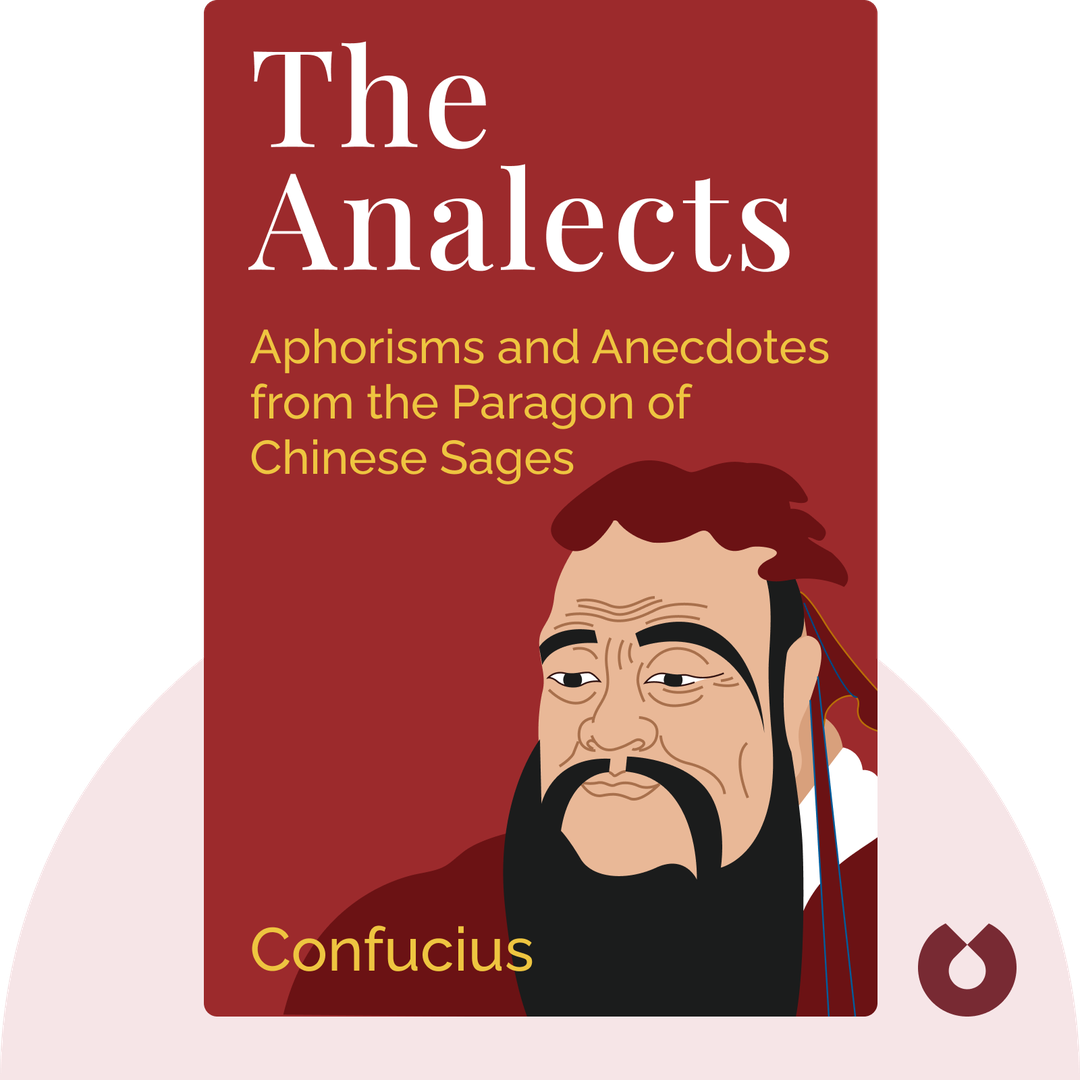
If You're Curious About These Questions...
You should listen to this audiobook
- What’s the secret to leading others with such effortless authority that you never have to demand respect?
- Have you ever wondered how a series of conversations from 2,500 years ago could hold the key to solving your most modern dilemmas?
- Are you curious about the specific character traits that ancient sages believed were the only true path to a life of honor and influence?
Listen to The Analects — Free Audiobook
Loading player...
Key Takeaways from The Analects
- Understand how Confucianism emerged as a reaction to societal changes and why adhering to traditional rituals was considered the key to attaining a virtuous life.
- Discover 'the Way' of the gentleman, a morally upright path that prioritizes precise, practical actions and a lifelong love of learning over material comforts.
- Master the concept of 'wu-wei,' or effortless doing, to learn how consistently practicing virtuous habits eventually turns them into a natural state of flow.
- Learn how to achieve effortless influence as a leader by guiding people with dignity and kindness rather than relying on coercive regulations and strict punishments.
- Find out why true virtue requires absolute sincerity behind your actions and the humility to surround yourself with like-minded people who can help you grow.
Learning Tools
Reinforce what you learned from The Analects
Mind Map
The Analects
Historical Context+
Core Philosophy+
Leadership & Governance+
Character Archetypes+
Learning & Action+
Relationships & Society+
Quiz — Test Your Understanding
Question 1 of 7
How did Confucius believe a leader should ideally guide the common people?
Question 2 of 7
What does the concept of 'wu-wei' refer to in the context of Confucius's teachings?
Question 3 of 7
According to Confucius, what is more important than performing rituals extravagantly?
Question 4 of 7
How does Confucius differentiate a 'gentleman' from a 'petty person' when it comes to facing mistakes or transgressions?
Question 5 of 7
Confucius claimed that all of his teachings could be strung together on a 'single thread.' What does this thread represent?
Question 6 of 7
How did Confucius respond to the question of whether a true gentleman ever encounters hardship?
Question 7 of 7
What is Confucius's view on abstract and theoretical knowledge?
The Analects — Full Chapter Overview
- 1Recommendation
- 2Confucius’s teachings answered the sweeping changes transforming China.
- 3Virtuous leaders wield effortless, harmonious influence through their actions.
- 4Virtue means loving learning and living your values through real actions.
- 5With persistence and empathy, one can faithfully follow the Way.
The Analects Summary & Overview
The Analects is a collection of twenty “books” that contain valuable quotes and sayings from the Chinese philosopher Confucius, as well as his disciples. These words of wisdom date back thousands of years, but they have remained remarkably relevant throughout the ages.
Who Should Listen to The Analects?
- Anyone interested in ancient wisdom from the East
- Leaders looking for philosophical guidance in their lives
- History buffs and folks who enjoy ideas from the past
Books Similar to The Analects
Readers who enjoyed this also liked these titles.