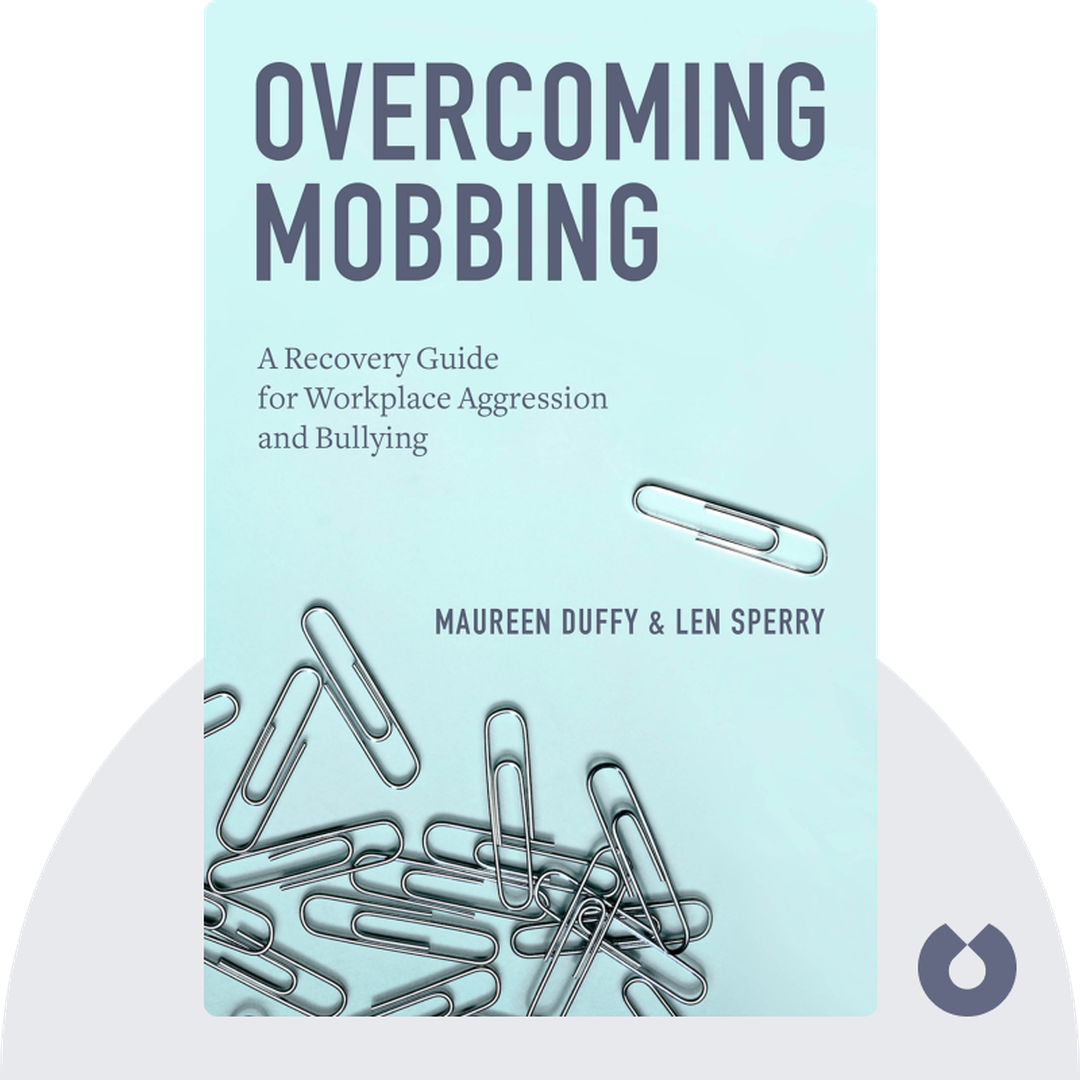
Theme Song
If You're Curious About These Questions...
You should listen to this audiobook
- Did you know that certain organizational structures can actually 'invite' collective bullying, making mobbing almost inevitable in some workplaces?
- Have you ever wondered why standard HR solutions often fail to stop mobbing—and what unique strategies are actually required for true recovery?
- What if you could identify the subtle red flags of mobbing before it escalates, saving your career and your well-being in the process?
Listen to Overcoming Mobbing — Free Audiobook
Loading player...
Key Takeaways from Overcoming Mobbing
- Understand the crucial difference between standard workplace bullying and mobbing, a covert, group-led form of organizational abuse designed to force victims out.
- Discover why whistleblowers, cultural outsiders, and individuals who speak up against company policy are most frequently targeted for organized workplace abuse.
- Identify the three core dynamics—work group cohesion, organizational structure, and individual personality traits—that create the perfect environment for mobbing to occur.
- Recognize the devastating physical and psychological impacts of mobbing, such as PTSD and career derailment, which can completely shatter a victim's personal identity.
- Learn how the toxic effects of workplace mobbing extend far beyond the primary target, inflicting severe emotional stress on their families, bystander colleagues, and the company itself.
Learning Tools
Reinforce what you learned from Overcoming Mobbing
Mind Map
Overcoming Mobbing
Defining Mobbing+
The Three Core Dynamics+
Devastating Impacts+
Victim Recovery Plan+
Mobbing-Resistant Workplaces+
Quiz — Test Your Understanding
Question 1 of 7
According to the text, what is the primary distinction between workplace bullying and workplace mobbing?
Question 2 of 7
Which of the following individuals is most likely to become a target of workplace mobbing?
Question 3 of 7
The tragic case of Thomas McInvale illustrates three specific dynamics that lead to mobbing and influence a victim's response. What are these three dynamics?
Question 4 of 7
What surprising finding does the text reveal about bystanders who witness workplace mobbing?
Question 5 of 7
When a victim is attempting to recover from workplace mobbing, what does the text recommend regarding their social life?
Question 6 of 7
How does a 'speak no evil' company differ from a 'hear no evil' company regarding workplace abuse?
Question 7 of 7
According to the text, how does workplace mobbing frequently alter a victim's long-term career trajectory?
Overcoming Mobbing — Full Chapter Overview
- 1Recommendation
- 2Mobbing is organizational abuse intended to push targeted employees forcibly out of the workplace.
- 3Three key factors can both contribute to mobbing and significantly shape the victim’s overall response to it.
- 4Mobbing wreaks devastating harm on a victim’s health and professional career.
- 5Mobbing harms not only the victims themselves, but also their families, coworkers, and the companies they serve.
- 6Recovery is achievable if you make it your foremost goal.
- 7Putting people ahead of profits can create a healthy, mobbing-resistant workplace.
Overcoming Mobbing Summary & Overview
Overcoming Mobbing (2014) offers a practical guide to the problem of “mobbing” in the workplace. Based on clinical practice and research, it offers valuable insights into the conditions that allow for workplace mobbing, and gives tips on how victims of mobbing can best recover.
Who Should Listen to Overcoming Mobbing?
- Victims of mobbing and their families
- Workplace managers and human-resources personnel
- Anyone who wants to make their workplace less hostile
Books Similar to Overcoming Mobbing
Readers who enjoyed this also liked these titles.