If You're Curious About These Questions...
You should listen to this audiobook
- Did you know that treating bias, prejudice, and bullying as the same problem can actually make your workplace more toxic, and do you know how to tell them apart?
- Have you ever wondered why even the most well-intentioned leaders often fail to stop exclusion, and what’s the secret to building a culture of true radical respect?
- What if you could navigate the most uncomfortable professional conflicts—from subtle microaggressions to overt bullying—with a clear, actionable roadmap for change?
Listen to Radical Respect — Free Audiobook
Loading player...
Key Takeaways from Radical Respect
- Discover why treating workplace toxicity as a single issue fails, and learn to distinguish between bias, prejudice, and bullying to apply the correct solutions.
- Understand how to identify your own unconscious biases by analyzing your snap judgments, allowing you to acknowledge and shift your thinking without self-judgment.
- Learn how to effectively confront unconscious bias in your colleagues by using "I" statements that express impact without triggering defensiveness.
- Master the use of "it" statements to safely call out deliberate bullying behavior without attacking the individual personally.
- Grasp the critical difference between prejudice as an internal negative belief and discrimination as an unfair external action to stop toxic cycles in your workplace.
Learning Tools
Reinforce what you learned from Radical Respect
Mind Map
Radical Respect
Understanding Workplace Toxicity+
Confronting Bias+
Tackling Prejudice & Discrimination+
Stopping Bullying+
Ending Harassment+
Quiz — Test Your Understanding
Question 1 of 7
According to the text, why is it a mistake to treat all toxic workplace behaviors, such as bias, prejudice, and bullying, with the same approach?
Question 2 of 7
What is the primary difference between bias and prejudice as described in the book?
Question 3 of 7
When you notice bias in another person's comments or actions, what specific communication strategy does the author recommend?
Question 4 of 7
How should you confront someone who is exhibiting discriminatory behavior rooted in prejudice?
Question 5 of 7
Which of the following characteristics distinguishes bullying from a one-off incident of rudeness?
Question 6 of 7
Why does the author recommend using 'it' statements when confronting a bully or someone engaging in harassment?
Question 7 of 7
According to the text, how does harassment specifically differ from general bullying?
Radical Respect — Full Chapter Overview
- 1Recommendation
- 2Understanding toxicity
- 3Challenging bias
- 4Addressing prejudice and the discrimination it creates
- 5The harms of bullying
- 6Halting harassment
Radical Respect Summary & Overview
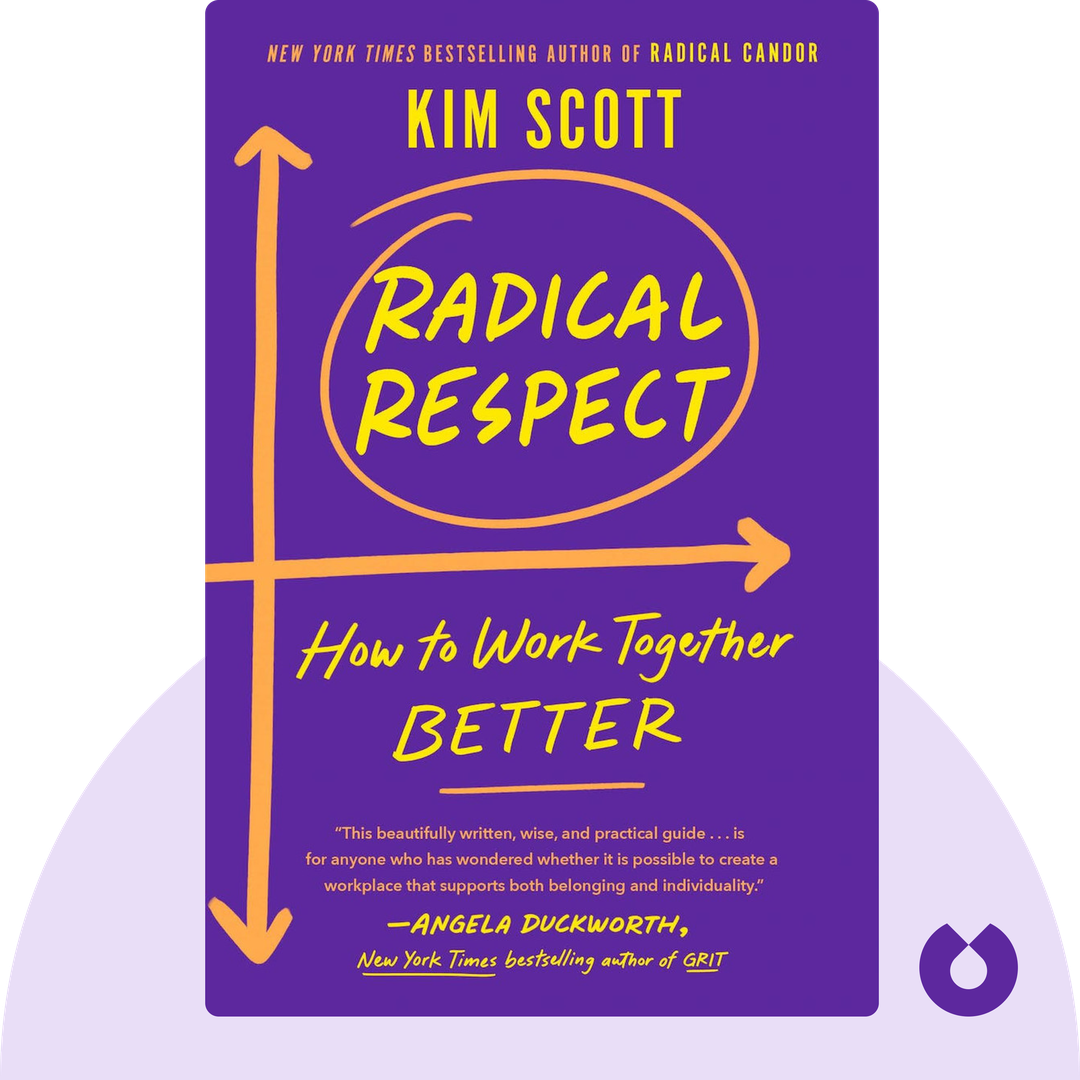
Radical Respect (2024) navigates the complexities of toxic workplace behaviors, including bias, prejudice, discrimination, bullying, and harassment. It provides a comprehensive guide to recognizing and addressing these issues, offering targeted strategies and practical advice for fostering a culture of respect, inclusion, and growth in personal and professional spheres.
Who Should Listen to Radical Respect?
- Managers and leaders looking to create a healthier, more productive work environment
- Employees experiencing or witnessing toxic behaviors like bias, prejudice, discrimination, bullying, or harassment
- Anyone interested in personal growth, self-awareness, and building healthier relationships in their professional and personal lives
Books Similar to Radical Respect
Readers who enjoyed this also liked these titles.