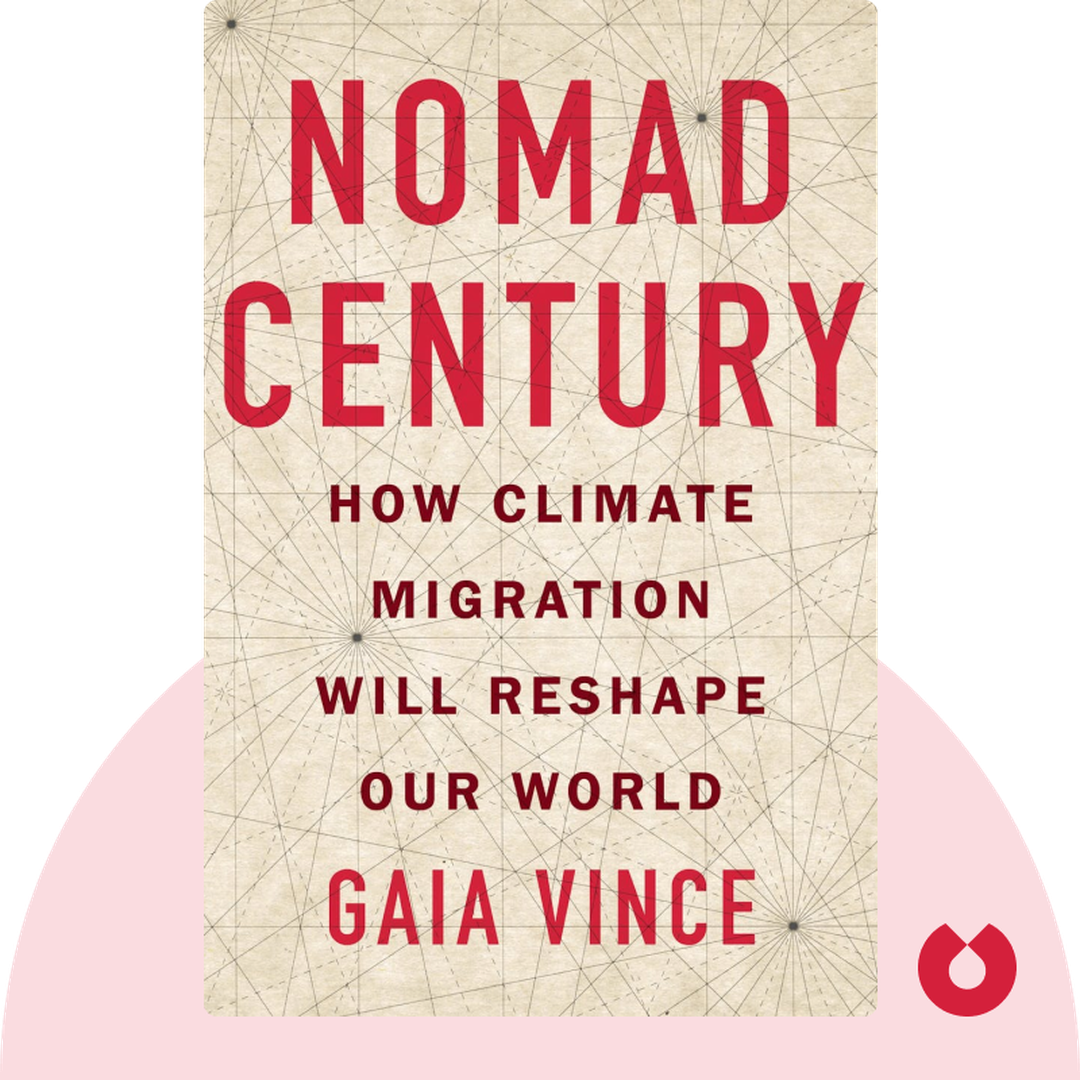
If You're Curious About These Questions...
You should listen to this audiobook
- Did you know that the most effective way to survive the climate apocalypse might not be technology, but a massive, planned relocation of the global population?
- Have you ever wondered why our current national borders might be the single biggest obstacle to human survival in a warming world?
- What if the secret to a prosperous future lies in embracing mass migration as a radical solution rather than treating it as a crisis?
Listen to Nomad Century — Free Audiobook
Loading player...
Key Takeaways from Nomad Century
- Understand why rising global temperatures will displace 3.5 billion people over the next 50 years, making managed migration essential for humanity's survival.
- Discover how closed borders are a relatively recent historical invention and why embracing our innate nomadic spirit is crucial for global adaptation.
- Learn how migrants boost host economies by filling essential jobs, which effectively pushes local workers into higher-paying management and communication roles.
- Find out why welcoming immigrants is the ultimate solution to the demographic and economic crises facing nations with rapidly shrinking and aging populations.
- Explore how planned global migration and international collaboration can turn impending climate catastrophes into opportunities for unprecedented innovation and prosperity.
Learning Tools
Reinforce what you learned from Nomad Century
Mind Map
Nomad Century
The Climate Crisis+
Rethinking Borders+
Host Country Benefits+
Origin Country Benefits+
Sustainable Migration Plan+
Science & Restoration+
Quiz — Test Your Understanding
Question 1 of 8
What is the primary solution to the climate crisis proposed by Gaia Vince in 'Nomad Century'?
Question 2 of 8
How does the book characterize the impact of climate displacement on developed nations?
Question 3 of 8
How does the author view modern closed borders and national identities?
Question 4 of 8
According to the text, what is a primary economic benefit when migrants take 'low-skilled' jobs in a host country?
Question 5 of 8
Why are remit payments from migrant workers often considered more effective than international aid?
Question 6 of 8
What does the author identify as a root cause of local resistance to migration?
Question 7 of 8
How will climate change physically alter the global north in a way that creates new economic opportunities?
Question 8 of 8
How should future climate migration be executed compared to past disaster responses, according to the proposed plan?
Nomad Century — Full Chapter Overview
- 1Recommendation
- 2Section 1: Climate change is humanity’s greatest challenge.
- 3Section 2: We must rethink our beliefs about borders.
- 4Section 3: Migration benefits host countries.
- 5Section 4: Developing countries benefit from migration too.
- 6Section 5: How can we encourage sustainable migration?
- 7Section 6: Collaboration and science can help fight climate change.
- 8Final Summary
Nomad Century Summary & Overview
Nomad Century (2022) proposes a radical solution to the looming climate apocalypse, one that’s as practical as it is controversial. To tackle the effects of climate change, we need to migrate and be more tolerant of those who’ve been forced to move.
Who Should Listen to Nomad Century?
- Supranational bodies trying to tackle the climate crisis
- Governments dealing with climate migration
- Scientists, communities, and NGOs
Books Similar to Nomad Century
Readers who enjoyed this also liked these titles.