Theme Song
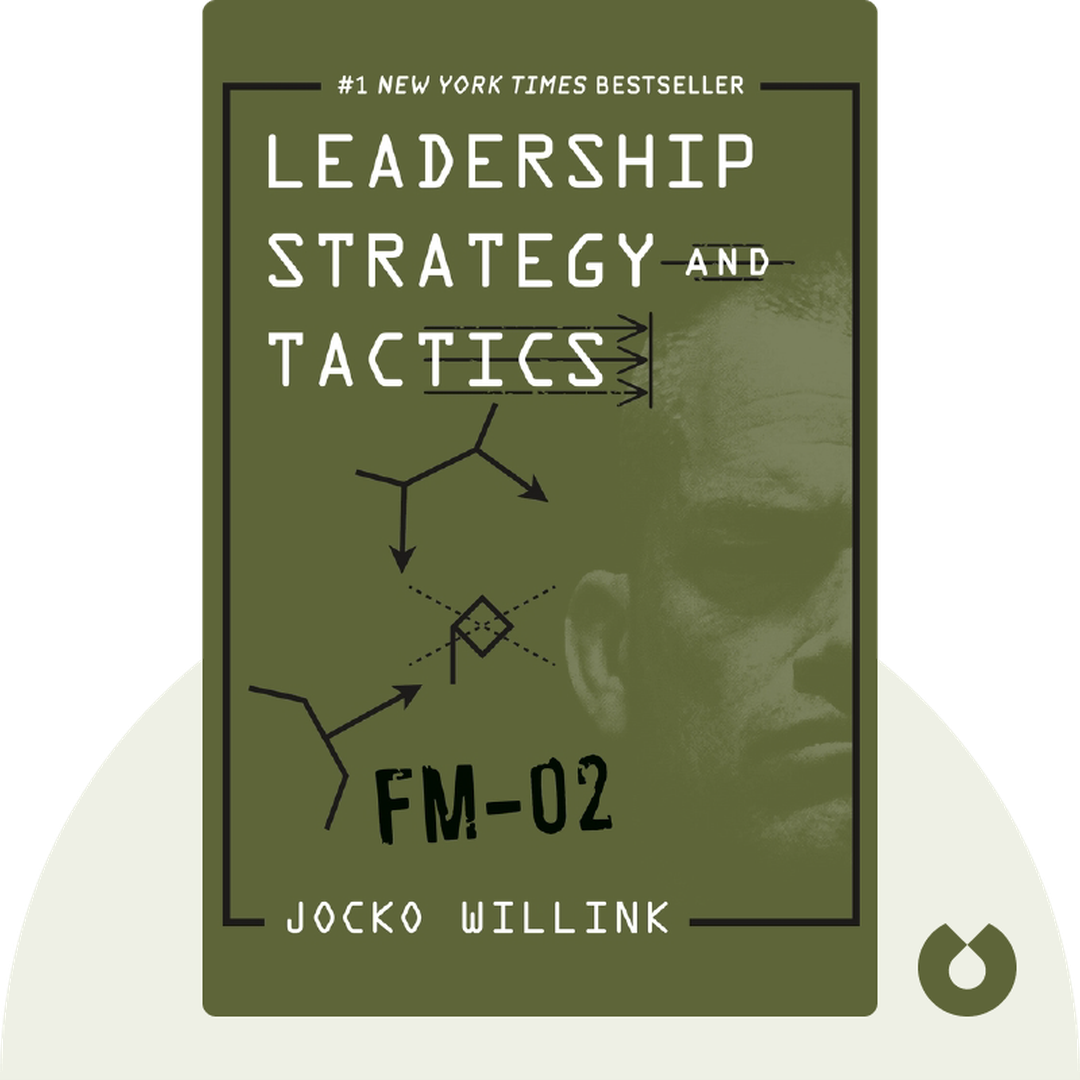
Leadership Strategy and Tactics
Start ListeningDownload Try free on iPhoneScan to start in 5 seconds
Categories:
If You're Curious About These Questions...
You should listen to this audiobook
- Have you ever wondered why the most effective leaders in the world’s most elite military units prioritize humility over dominance?
- What if you could apply the high-stakes battle tactics of a Navy SEAL team to transform your workplace culture and resolve your toughest management challenges?
- Did you know that the biggest obstacle to your team's success might be your own ego, and are you ready to learn the specific strategy to leave it at the door?
Listen to Leadership Strategy and Tactics — Cinematic Audio Edition
Loading player...
Key Takeaways from Leadership Strategy and Tactics
- Discover why leadership is not an exclusive trait for 'born leaders,' but a practical, learnable skill built through steady repetition and observation.
- Learn how to strip away ego and theatrics from your management style, focusing instead on the simple goal of helping people execute the mission together.
- Understand how your personal character shapes the climate of your team, and why leading with humility fosters cooperation while arrogance breeds friction and resentment.
- Master the practice of giving your team space to develop their own strategies, which dramatically increases their sense of ownership and prevents finger-pointing when challenges arise.
- Find out why effective leaders don't need to have all the answers, and how actively listening to your team's input clearly communicates that their thinking truly matters.
Learning Tools
Reinforce what you learned from Leadership Strategy and Tactics
Mind Map
Leadership Strategy and Tactics
Core Leadership Principles+
Situational Awareness & Decisions+
Humility & Ego Management+
Empowering the Team+
Accountability & Discipline+
Effective Communication+
Quiz — Test Your Understanding
Question 1 of 9
What should a leader do when feeling overwhelmed or stuck in a high-pressure situation?
Question 2 of 9
According to the concept of Extreme Ownership, who is ultimately responsible if a team member makes a mistake or fails at a task?
Question 3 of 9
What is the main leadership lesson behind the concept of 'picking up brass'?
Question 4 of 9
How should a leader handle a situation where the team comes up with a plan that is only 70 to 80 percent as effective as the leader's own idea?
Question 5 of 9
When faced with uncertain intelligence and high-risk situations, what approach does the author recommend?
Question 6 of 9
What is the recommended approach when a leader already knows the solution to a problem a team member is facing?
Question 7 of 9
According to the text, when is the most appropriate time for a leader to micromanage a team member?
Question 8 of 9
What is the author's advice regarding giving praise to the team?
Question 9 of 9
How does the author view a leader making an apology?
Leadership Strategy and Tactics — Full Chapter Overview
- 1Recommendation
- 2Sometimes you need to step back to see the situation clearly.
- 3Strong leadership rests on two fundamentals: the Dichotomy of Leadership and Extreme Ownership.
- 4The core principles of leadership include humility and a willingness to pick up brass.
- 5Lead by empowering your teams and giving them ownership of the plan.
- 6Lead through iterative decision-making, and avoid solving every problem yourself.
- 7Always keep your ego in check, and know when to hand out punishment.
- 8Good communication offers balanced praise, clear guidance, and reduces rumors.
- 9Final summary
Leadership Strategy and Tactics Summary & Overview
Leadership Strategy and Tactics (2020) teaches you how to take the skills of a high-functioning Navy SEAL team and apply them to your workplace. You’ll learn about practices such as Extreme Ownership, and find out why humility is better than arrogance. These tips will help you to leave your ego at the door and to remember that your team’s success should always come before personal success.
Who Should Listen to Leadership Strategy and Tactics?
- CEOs, managers, and team leaders who need some guidance
- Employees hoping to get promoted to a supervisor position
- People who work in human resources
Books Similar to Leadership Strategy and Tactics
Readers who enjoyed this also liked these titles.