If You're Curious About These Questions...
You should listen to this audiobook
- Have you ever wondered why the world’s most effective leaders refuse to blame their teams, even when a mission goes completely wrong?
- What if you could master the same 'Prioritize and Execute' mindset that Navy SEALs use to stay calm and decisive under extreme pressure?
- What’s the secret to building a team that can lead itself, allowing you to scale your business without burning out from micromanagement?
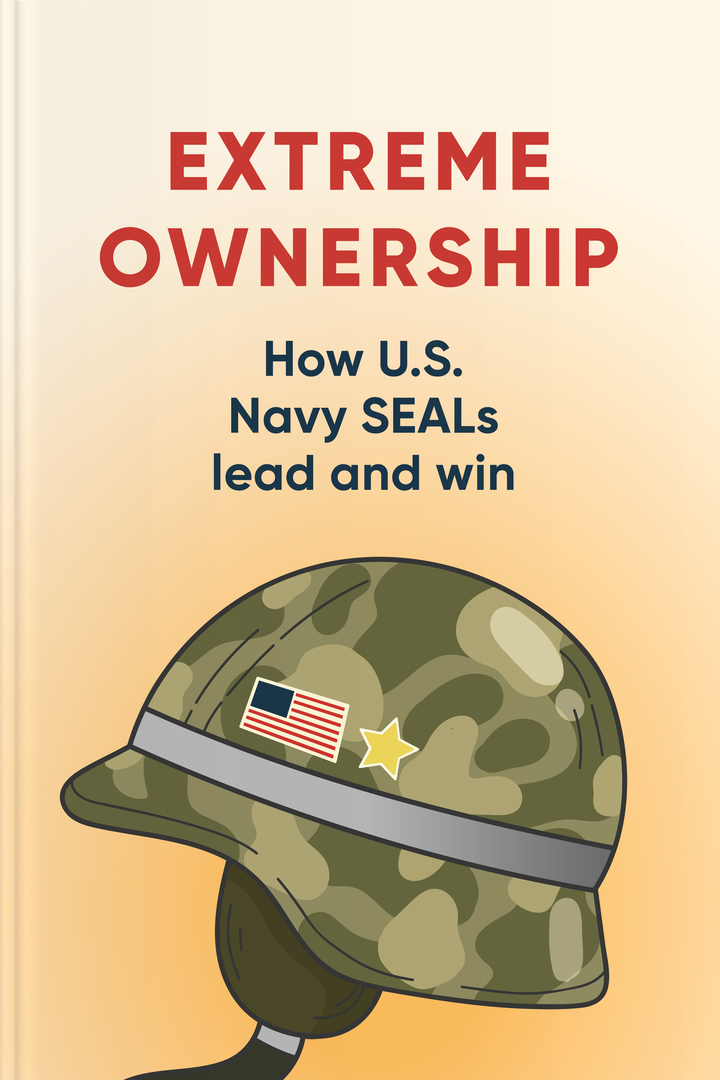
Listen to Extreme Ownership — Cinematic Audio Edition
Loading player...
Key Takeaways from Extreme Ownership
- Discover how high-stakes Navy SEAL leadership principles translate into practical, everyday skills that can strengthen any workplace, family, or organization.
- Master the core concept of extreme ownership by taking total responsibility for everything in your world, recognizing that leaders are accountable for the entire system.
- Understand why a leader's willingness to own failures without excuses creates a powerful ripple effect, inspiring the rest of the team to take initiative and stop passing the buck.
- Learn why leaders must fully grasp and genuinely believe in the broader purpose behind a mission before asking their team to commit to it.
- Find out how pausing to understand the strategic 'why' prevents a leader's premature doubts from permanently damaging team trust and execution.
Learning Tools
Reinforce what you learned from Extreme Ownership
Mind Map
Extreme Ownership
Total Responsibility+
Belief in the Mission+
Cover and Move+
Prioritize and Execute+
Comprehensive Planning+
Lead Up the Chain+
Decentralized Command+
Quiz — Test Your Understanding
Question 1 of 8
According to the principle of "Extreme Ownership," what is the primary responsibility of a leader when their team fails?
Question 2 of 8
When a leader doesn't understand the strategic reason behind a mission, what is the recommended first step?
Question 3 of 8
The principle of "Cover and Move" suggests that internal teams within an organization should:
Question 4 of 8
In a chaotic situation with multiple urgent problems, what is the first action a leader should take according to the "Prioritize and Execute" principle?
Question 5 of 8
What is the main purpose of detailed mission planning as described in the book?
Question 6 of 8
If a leader feels their superior is micromanaging them with too many questions, what does the book suggest is the most likely cause and solution?
Question 7 of 8
What is the "Decentralized Command" approach for leading large groups effectively?
Question 8 of 8
What is the typical effect on a team when its leader consistently blames others and refuses to take responsibility?
Extreme Ownership — Full Chapter Overview
- 1Recommendation
- 2Leading a Team to Success Means Owning Every Failure
- 3To Execute Your Mission Successfully, Understand Why It Matters
- 4See Your Allies as a Support Network, Not as Competitors
- 5Stay Effective Under Pressure by Setting Clear Priorities and Acting on Them
- 6Planning for Success Means Identifying and Reducing Risks in Advance
- 7Rather Than Resenting Your Superiors’ Interference, Give Them the Information They Need
- 8Final summary
Extreme Ownership Summary & Overview
This audio-friendly summary introduces the core leadership principles behind Extreme Ownership, a mindset shaped in the demanding environment of Navy SEAL combat operations and translated into practical guidance for business, teams, and everyday life.
Across eight chapters, the narration walks through responsibility, belief in the mission, teamwork across departments, calm execution under pressure, thoughtful planning, and clear communication up and down the chain of command—ending with a gentle, actionable suggestion for how to structure teams so leadership can scale without burnout.
Who Should Listen to Extreme Ownership?
- Leaders and managers who want a clear, steady framework for accountability, decision-making, and team performance—without relying on blame.
- Team members stepping into leadership who want practical language for mission clarity, collaboration, and communicating upward with confidence.
- Anyone building a project, department, or small business who wants a calm way to prioritize, plan for risk, and execute under pressure.
Books Similar to Extreme Ownership
Readers who enjoyed this also liked these titles.