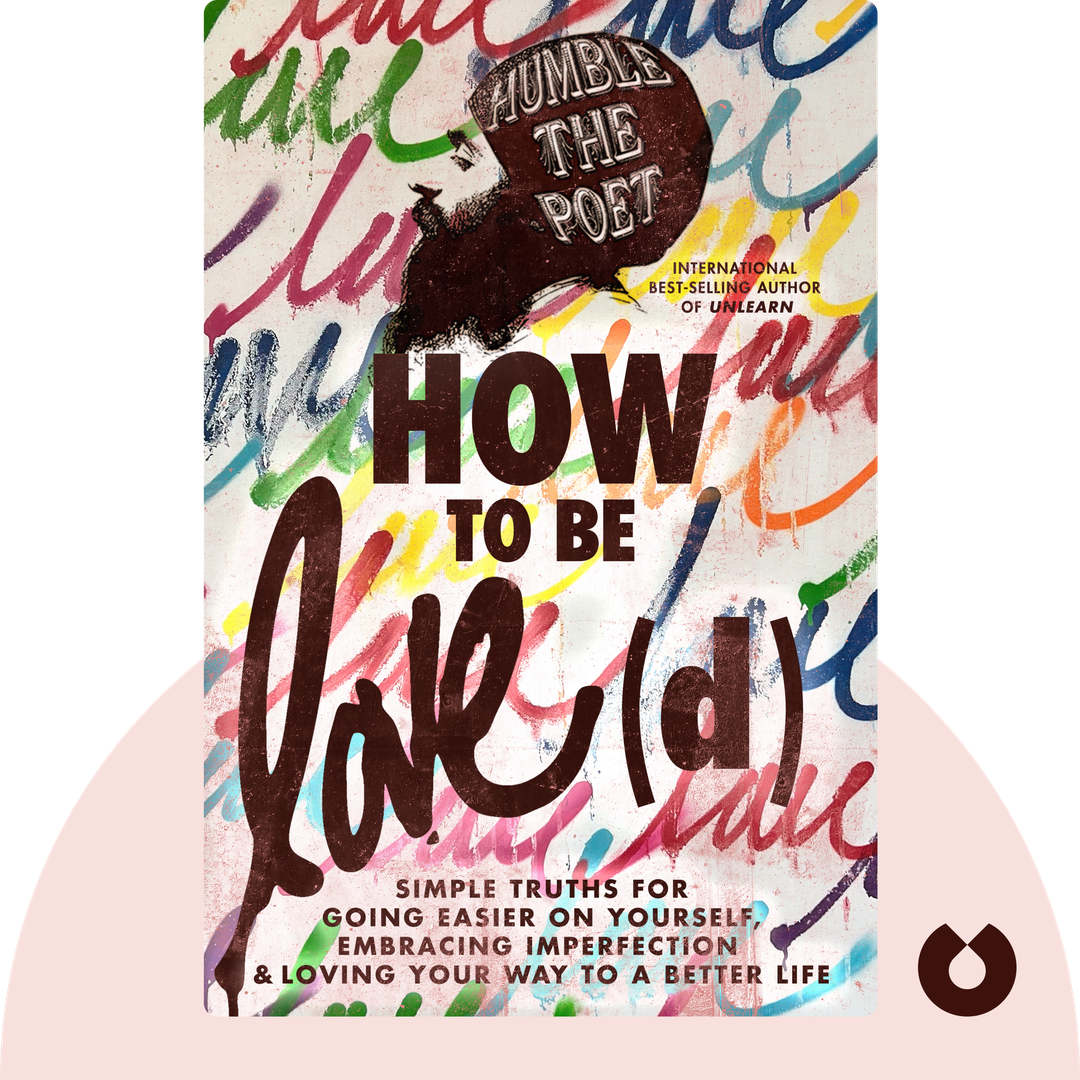
If You're Curious About These Questions...
You should listen to this audiobook
- What if you could identify and delete the 'useless programming' that’s been secretly sabotaging your relationships and your self-worth for years?
- Did you know that your most 'imperfect' traits might actually be the key to unlocking a deeper, more genuine level of love from those around you?
- What’s the secret to shifting your focus from constantly seeking to 'be loved' to the transformative power of simply 'being love'?
Listen to How to be Love(d) — Free Audiobook
Loading player...
Key Takeaways from How to be Love(d)
- Discover why love is an ongoing path rather than a final destination, and how overcoming 'destination addiction' helps you experience love in the present.
- Understand the crucial difference between fleeting 'Small L' pleasure and nourishing 'Big L' love, and learn to sustain deep connections through deliberate effort.
- Realize that love is an abundant ocean rather than a direct line to one person, and find out how giving more love creates a virtuous cycle of receiving it.
- Learn how to treat yourself like your own best friend to build a foundation of self-love, which ultimately allows you to be more generous with others.
- Master the practice of emotional honesty to dissolve your ego, release the isolating burden of secrets, and open yourself up to authentic connection.
Learning Tools
Reinforce what you learned from How to be Love(d)
Mind Map
How to be Love(d)
Love is a Verb+
The Source of Love+
Honesty and Ego+
Loving Imperfections+
Embracing Pain+
Quiz — Test Your Understanding
Question 1 of 7
According to the book, what is the main problem with treating love like a 'finish line' or destination?
Question 2 of 7
How does the author distinguish 'Big L' love from 'Small L' love?
Question 3 of 7
What does the author mean by comparing love to an 'ocean' rather than a 'telephone line'?
Question 4 of 7
How does the book address the concern that prioritizing your relationship with yourself is selfish?
Question 5 of 7
What role does the 'ego' play in our ability to experience love?
Question 6 of 7
According to Humble the Poet, what is the 'opposite of love'?
Question 7 of 7
How should we view conflict and unpleasant emotions within a relationship?
How to be Love(d) — Full Chapter Overview
- 1Recommendation
- 2Love isn’t a noun — it’s a verb.
- 3If you want more love, begin by giving more.
- 4Love requires honesty with yourself and others.
- 5Love means embracing all of it.
- 6Pain is part of love.
- 7Final Summary
How to be Love(d) Summary & Overview
How to be Love(d) (2022) teaches you how to transform your thoughts and actions to give, receive, and experience more love in life. Full of relatable stories and actionable advice, this guide will teach you how to rid yourself of useless programming, embrace imperfection, and honor your progress – so you can better love yourself and others.
Who Should Listen to How to be Love(d)?
- Anyone going through a breakup
- People looking to improve their romantic, platonic, or family relationships
- Fans of the author’s art and music
Books Similar to How to be Love(d)
Readers who enjoyed this also liked these titles.