If You're Curious About These Questions...
You should listen to this audiobook
- Have you ever wondered why our modern world treats solitude like a problem to be solved rather than a gift to be enjoyed?
- What if the secret to building better relationships with others actually starts with learning how to be completely alone?
- Are you curious about how intentionally spending time by yourself can unlock levels of creativity and peace you never thought possible?
Listen to How to Be Alone — Cinematic Audio Edition
Loading player...
Key Takeaways from How to Be Alone
- Understand how childhood emotional neglect can trigger deep-seated loneliness and make it difficult to trust others in adulthood.
- Discover why desperately clinging to friendships to fill the void of an unloving home often leads to instability and painful heartbreak.
- Learn how your specific attachment style dictates your romantic behaviors and can inadvertently push away the connection you desperately crave.
- Recognize why mismatched love languages and a lack of open communication can doom a relationship, and learn the importance of explicitly stating your emotional needs.
- Find out how to break the cycle of a difficult upbringing by identifying your true relationship needs, ensuring your past doesn't permanently dictate your future love life.
Learning Tools
Reinforce what you learned from How to Be Alone
Mind Map
How to Be Alone
The Value of Solitude+
Societal Stigmas+
Building the Habit+
Reverie & Children+
Personalizing Your Dose+
Quiz — Test Your Understanding
Question 1 of 8
According to Virginia Woolf's 'A Room of One’s Own', what was the primary reason for the relatively small number of female writers during her time?
Question 2 of 8
What does the author suggest is necessary to achieve a truly 'transcendent' connection with nature?
Question 3 of 8
According to philosophy professor Philip Koch, why does society often have a negative, mistrustful reaction to people who choose a lifestyle of solitude?
Question 4 of 8
Why does the author argue that activities like reading a book, watching a movie, or listening to music might not count as 'true' alone time?
Question 5 of 8
What practical, small step does the book suggest for testing your comfort levels and overcoming the fear of being alone?
Question 6 of 8
How did psychoanalyst Carl Jung utilize 'reverie' to examine his subconscious?
Question 7 of 8
What advice does the book give parents regarding children and scary fairy tales?
Question 8 of 8
Why does the author argue against using the labels 'introvert' and 'extrovert' to determine how much alone time a person needs?
How to Be Alone — Full Chapter Overview
- 1Recommendation
- 2Making time alone can boost your creativity and self-knowledge.
- 3Embrace the pleasures of solitude through a deeper connection with nature.
- 4People who enjoy solitude often get a bad rap.
- 5To be alone, you must recognize and overcome your fears of solitude.
- 6Extend your periods of solitude with “alone time” or a solo adventure.
- 7Use solitude to explore reverie, a state of “active imagination.”
- 8Alone time is one of the greatest gifts you can offer your children.
- 9Decide how large or small your dose of alone time should be.
- 10Final summary
How to Be Alone Summary & Overview
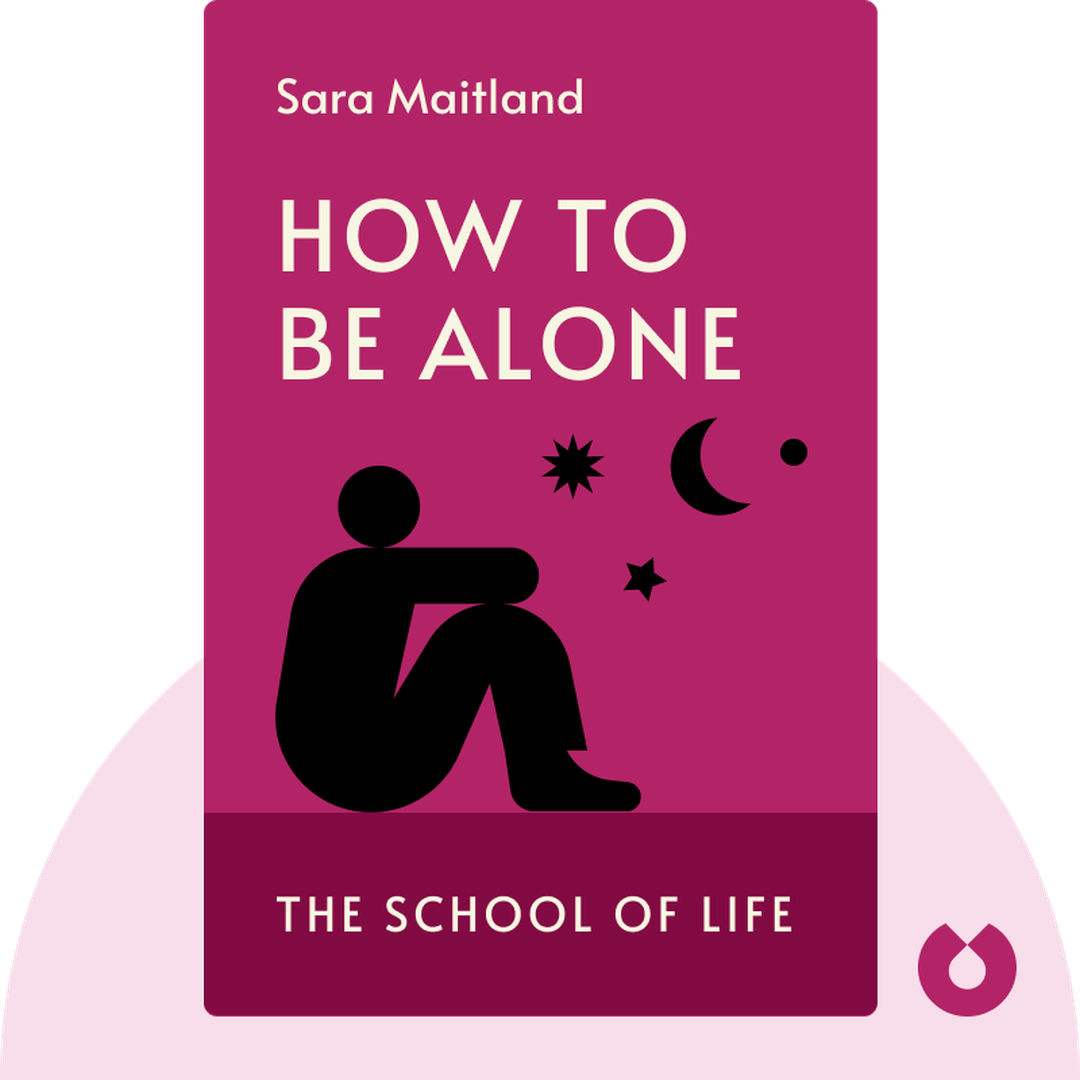
Today’s socially focused culture leaves us very little time to ourselves and unprepared for times when we may actually need to be alone. How to Be Alone (2014) shows us that we don’t need to be scared of solitude, and that there are many benefits and joys to be found in being alone. So don’t be afraid, go solo!
Who Should Listen to How to Be Alone?
- People interested in sociology and human behavior
- Anyone afraid of being alone
Books Similar to How to Be Alone
Readers who enjoyed this also liked these titles.