If You're Curious About These Questions...
You should listen to this audiobook
- Have you ever wondered why the world's leading financial experts often ignore 'standard' advice when it comes to managing their own personal wealth?
- Did you know that the secret to a successful investment strategy might have less to do with market trends and more to do with your own unique values and life goals?
- What if you could peek behind the curtain to see how financial insiders actually invest their own money—and why there is no such thing as a 'perfect' portfolio?
Listen to How I Invest My Money — Free Audiobook
Loading player...
Key Takeaways from How I Invest My Money
- Discover why defining your personal reasons for investing must come before deciding how to allocate your assets.
- Understand why financial experts rarely invest like their clients, and how accepting that money is deeply personal frees you from seeking universal financial rules.
- Learn how to build an 'independence fund' by capping your lifestyle costs and saving every pay raise to secure your future freedom.
- Find out how dividend-paying stocks can fund an early retirement by providing a stable, growing income without forcing you to deplete your core assets.
- Explore how investing can be used to generate 'equity in time,' allowing you to align your wealth with your deepest values and control your own schedule.
Learning Tools
Reinforce what you learned from How I Invest My Money
Mind Map
How I Invest My Money
The 'Why' of Investing+
Income Strategies+
Investing for Values+
Simplicity & Equities+
Risk & Mistakes+
Psychology of Wealth+
Quiz — Test Your Understanding
Question 1 of 6
According to the book, why might it actually be acceptable that many financial advisors don't invest their own money in the same funds they recommend to clients?
Question 2 of 6
Why did Jenny Harrington recommend dividend-paying stocks over bonds for a client retiring at age 55?
Question 3 of 6
For investor Dasarte Yarnway, what is the primary benefit of being the sole equity owner of his own financial firm?
Question 4 of 6
How does Ashby Daniels justify keeping his portfolio in 100 percent equities despite the high volatility of the stock market?
Question 5 of 6
Why is independent investor Tyrone Ross comfortable holding the majority of his investments in high-risk crypto-assets like Bitcoin?
Question 6 of 6
How does Joshua Rogers apply Deepak Chopra's "Law of Giving" to his investment strategy?
How I Invest My Money — Full Chapter Overview
- 1Recommendation
- 2There are no universal truths in investing.
- 3Dividend-paying investments can offer stable, growing income.
- 4Investing is about more than returns — it’s also about values.
- 5A simple approach can deliver long-term rewards.
- 6Mistakes are unavoidable, but they can open new doors.
- 7Sometimes, you need to learn to let go.
- 8Final summary
How I Invest My Money Summary & Overview
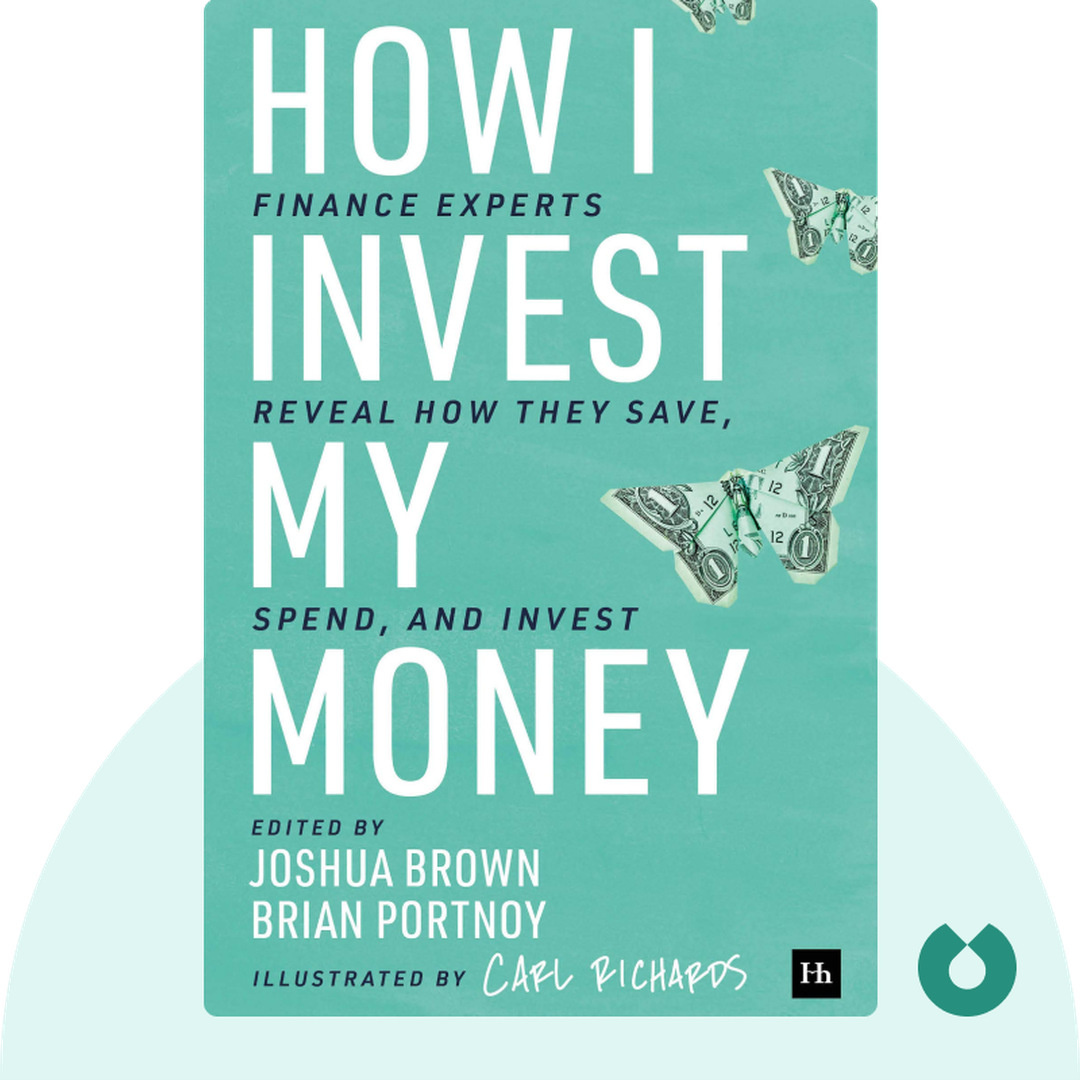
How I Invest My Money (2020) isn’t about the right way of planning your financial future. Instead, it offers a rare insight into what financial industry insiders do with their own money. So how do the pros play the market? Well, it turns out there’s no single answer to that question. How people invest depends on who they are and what kind of values and goals they have.
Who Should Listen to How I Invest My Money?
- Savers looking to invest their nest eggs
- Would-be retirees
- Financial greenhorns
Books Similar to How I Invest My Money
Readers who enjoyed this also liked these titles.