If You're Curious About These Questions...
You should listen to this audiobook
- Did you know that having raw talent is often the least important factor when it comes to achieving long-term success?
- What’s the secret to why some people with average skills become industry leaders while the most "talented" individuals often fall behind?
- Have you ever wondered why some people are able to bounce back from every setback while others give up just before their big breakthrough?
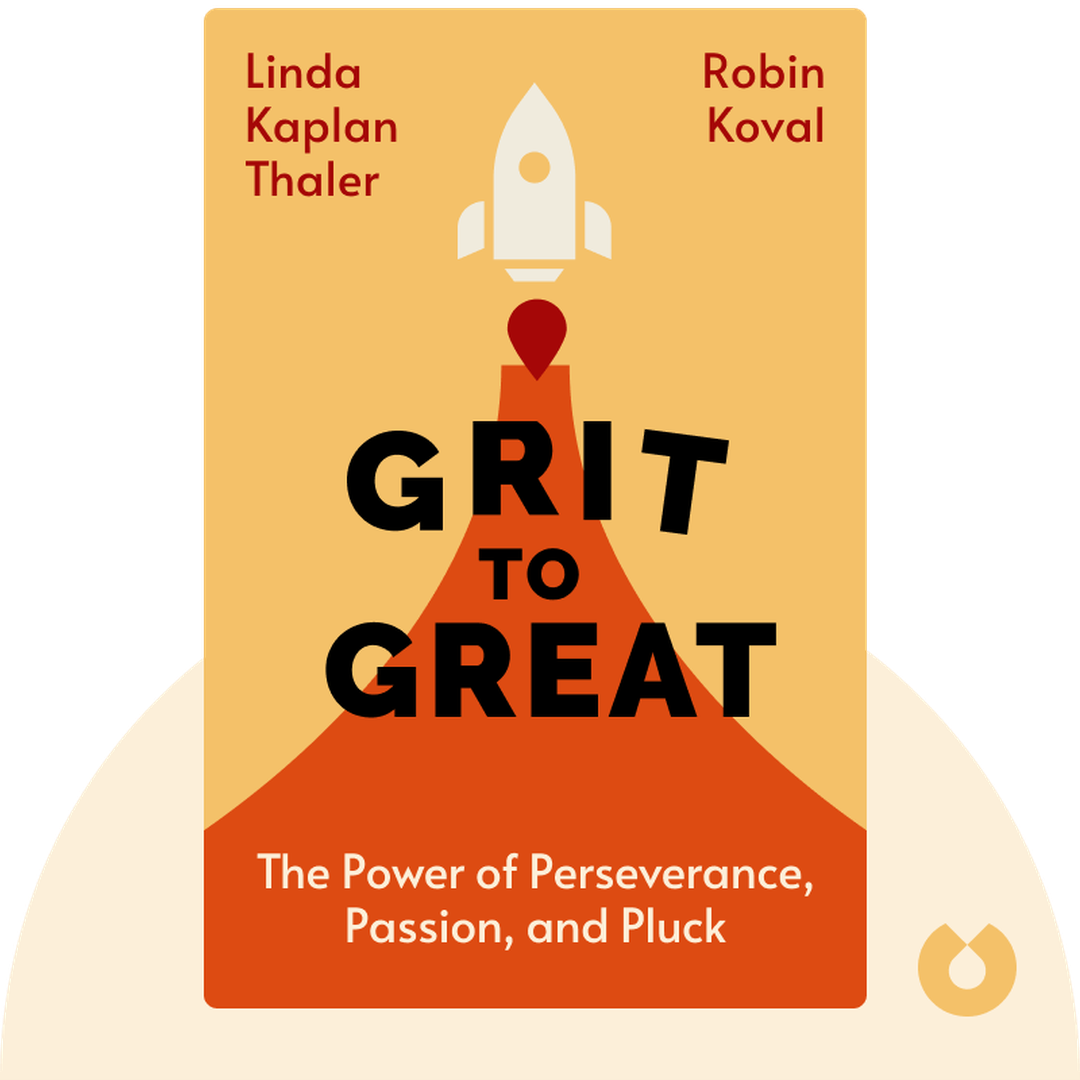
Listen to Grit to Great — Cinematic Audio Edition
Loading player...
Key Takeaways from Grit to Great
- Discover why relentless hard work and grit consistently trump natural talent, and how rolling up your sleeves will help you outpace those who simply coast.
- Understand why daydreaming about your aspirations can actually sabotage your success, and see how shifting from fantasizing to taking concrete action yields better career rewards.
- Learn how to step out of your comfort zone to take calculated risks, and discover how embracing rejection can become a powerful tool for self-improvement and unexpected success.
- Find out how to sustain your motivation during massive, long-term projects by celebrating small victories along the way, proving that you are never too old to achieve your dreams.
- Master the ability to transform crushing failures and personal obstacles into profound learning experiences, fueling your journey with the desire to achieve rather than the fear of losing.
Learning Tools
Reinforce what you learned from Grit to Great
Mind Map
Grit to Great
Talent vs. Hard Work+
Risk and Rejection+
Patience and Perseverance+
Learning from Failure+
Helping Others+
Actionable Advice+
Quiz — Test Your Understanding
Question 1 of 7
According to the book, why do less naturally talented people often end up being more successful than highly talented individuals?
Question 2 of 7
What did psychology professor Gabriele Oettingen's study reveal about graduate students who spent significant time daydreaming about their aspirations?
Question 3 of 7
How did Jia Jiang handle his repeated rejections as an aspiring entrepreneur?
Question 4 of 7
According to the authors, how can individuals maintain their motivation during long-term projects that take years to show real progress?
Question 5 of 7
What is the defining characteristic of how people with 'grit' view failure and adversity?
Question 6 of 7
How does helping others, such as volunteering or assisting someone in need, relate to personal grit?
Question 7 of 7
What does the story of Captain James Henry, who learned to read at 92, illustrate about success and grit?
Grit to Great — Full Chapter Overview
- 1Recommendation
- 2Talent won’t take you as far as hard work and passion.
- 3At some point, you have to take a risk, step into the unknown, and trust your abilities.
- 4Success doesn’t happen overnight, and patience is essential for reaching your goals.
- 5Success means learning from experience and adapting to new situations.
- 6Helping others can strengthen your grit.
- 7Final summary
Grit to Great Summary & Overview
Many people have talent, but few become stars in their chosen profession. In Grit to Great (2015), two women at the top of the advertising business offer their guide to developing the resilience and hard graft that will help you succeed.
Who Should Listen to Grit to Great?
- Anyone who wants to improve themselves and reach their goals
- People interested in the psychology of success
- Entrepreneurs and anyone interested in breaking out on their own
Books Similar to Grit to Great
Readers who enjoyed this also liked these titles.