If You're Curious About These Questions...
You should listen to this audiobook
- What if the secret to healing a divided society lies in a form of forgiveness that doesn't just excuse behavior, but actually transforms the offender?
- Have you ever wondered why traditional Christian forgiveness might be the most practical solution for a secular world struggling with resentment?
- Are you curious about how victims of deep hurt can finally let go of anger without compromising their sense of justice?
Listen to Forgive — Free Audiobook
Loading player...
Key Takeaways from Forgive
- Understand that true forgiveness means treating an offense like a debt that you choose to cancel, freeing you from resentment and breaking the cycle of abuse.
- Discover why modern culture resists forgiveness, often favoring an individualistic therapeutic approach and a toxic shame culture over the harder work of mending relationships.
- Learn how justice and forgiveness complement each other, allowing you to seek accountability and stop abuse while still showing the offender compassion.
- Realize that forgiving an offender protects your own heart from destructive bitterness, even if you decide not to automatically restore the relationship to its previous state.
- Master the step-by-step process of granting forgiveness by identifying the wrong, separating the act from the person's humanity, inwardly absorbing the debt, and ultimately seeking reconciliation.
Learning Tools
Reinforce what you learned from Forgive
Mind Map
Forgive
The Nature of Forgiveness+
Why Society Resists It+
Harmony with Justice+
The Process of Forgiving+
Receiving Forgiveness+
Christian vs. Classical Thought+
Quiz — Test Your Understanding
Question 1 of 6
According to the text, what is the fundamental definition of forgiveness?
Question 2 of 6
What is one of the main reasons modern Western culture resists forgiveness, according to the book?
Question 3 of 6
How does Timothy Keller view the relationship between forgiveness and justice?
Question 4 of 6
In the step-by-step guide to giving forgiveness, how does the text distinguish between 'excusing' and 'forgiving'?
Question 5 of 6
What does it mean to 'absorb the debt' when forgiving someone?
Question 6 of 6
What is the fundamental difference between the Christian approach to wrongdoing and the classical (Greek/Roman) approach?
Forgive — Full Chapter Overview
- 1Recommendation
- 2What Is Forgiveness, Really?
- 3Why the World Resists Forgiveness
- 4How Forgiveness and Justice Work Together
- 5Giving and Receiving Forgiveness
- 6How Christian Forgiveness Differs from Classical Thought
- 7Final Summary
Forgive Summary & Overview
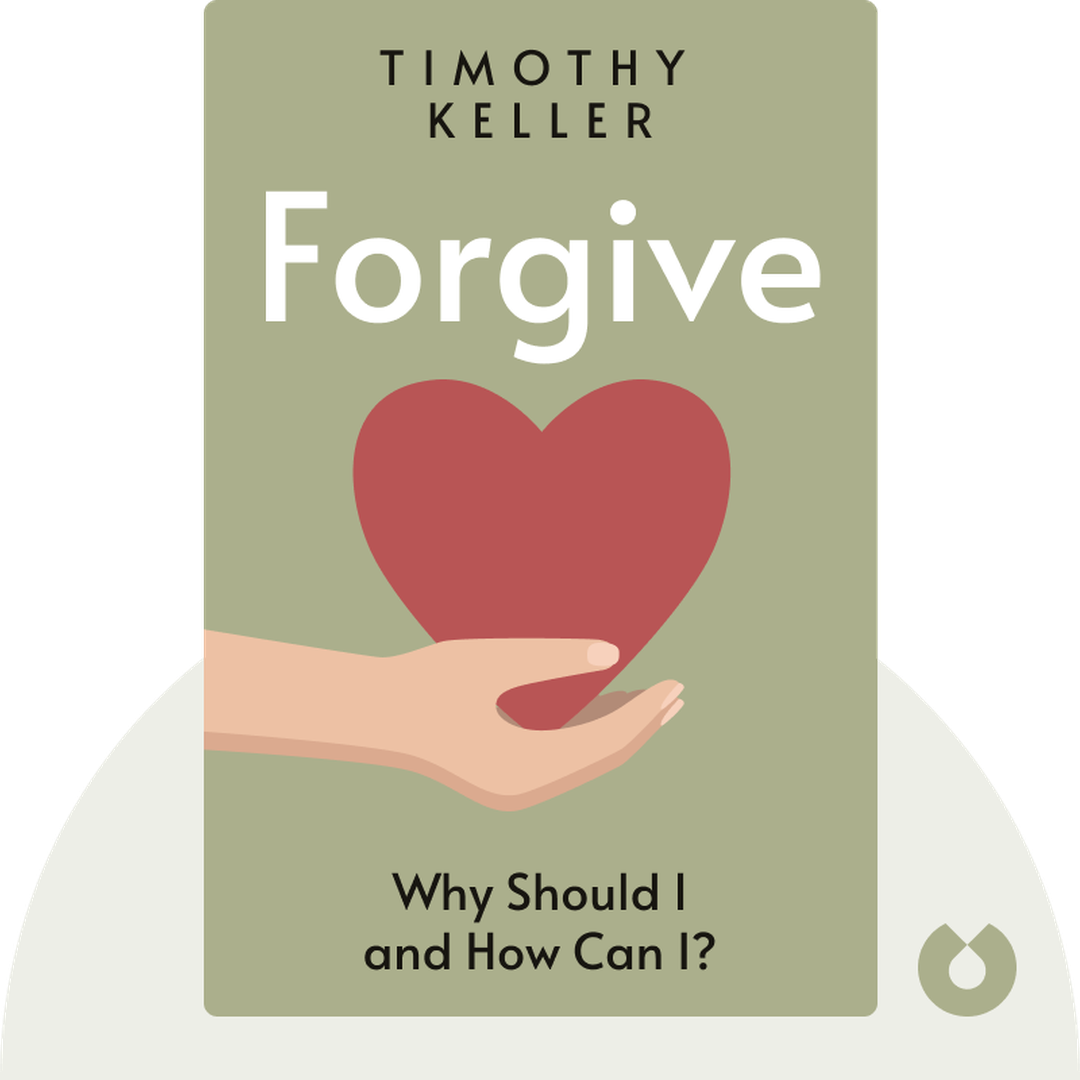
Forgive (2022) proposes personal and community healing through genuine, wholesome, and compassionate forgiveness. The arguments in this guide will help you understand why Christian forgiveness could be secular society’s best remedy for relieving the offended, reforming the offenders, and promoting fellowship among humans.
Who Should Listen to Forgive?
- Anyone trying to understand the importance of forgiveness
- Victims of abuse seeking to let go of anger and hate
- Christians trying to understand God’s forgiveness
Books Similar to Forgive
Readers who enjoyed this also liked these titles.